According to different customer needs, RICHI
EFB Pellet Plant in Malaysia
This EFB pellet plant in Malaysia uses RICHI’s automated equipment. It processes waste EFB material and generates extra revenue. After just two years of stable operation, the plant has fully recouped its cost.
Contact us to customize your own pellet plant project!
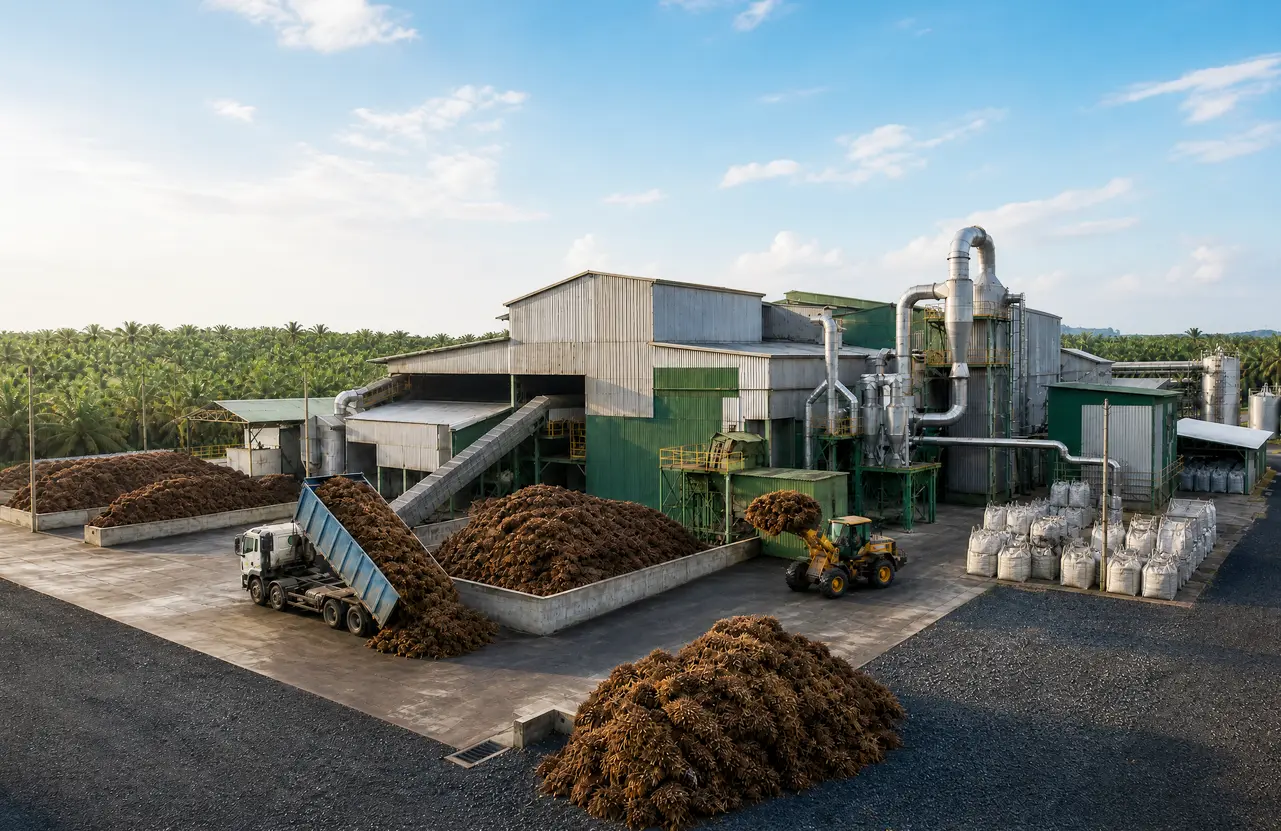
Malaysia EFB Pellet Plant Overview
The client in this project is a palm oil processing company. They had been struggling with how to dispose of EFB In Malaysia, some industrial boilers and biomass power plants are looking for low-cost renewable fuels. The client wanted to seize this opportunity and turn waste EFB into pellets for sale.
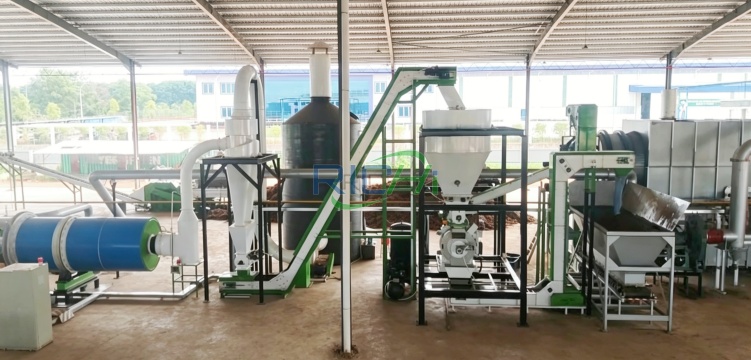
Our design and R&D team communicated deeply with the client. We learned about their factory space and raw material conditions. We then decided to build a customized EFB pellet plant with a capacity of 2–2.5 tonnes/hour. So far, this production line has been running stably for two years. It can easily handle EFB, a raw material with long fibers that are difficult to shape.
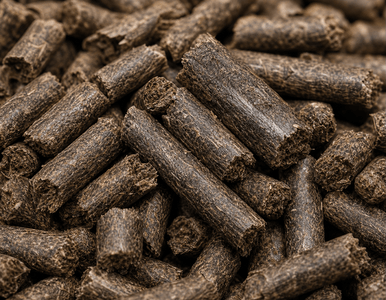
EFB Pellet Diameter: 8 mm
Raw Materials: EFB
Facility Size: 30 m × 15 m × 8 m (L × W × H)
Complete Cycle: approximately 3-4 months (including equipment manufacturing, sea freight, on-site installation and commissioning)
Production Process of EFB Pellet Plant in Malaysia
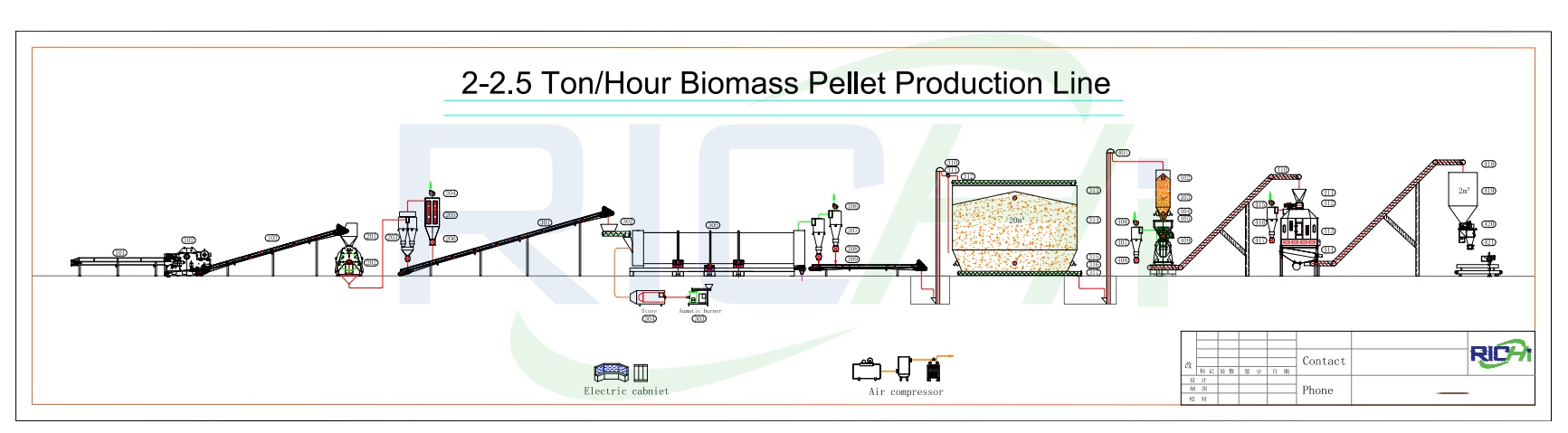
Based on the customer’s needs and the site layout, we designed multiple production line schemes and carefully considered every aspect of the EFB pellet plant’s production, ultimately resulting in the following reasonable production process.
01
Crushing
EFB raw materials have high moisture content and coarse, hard fibers, making them relatively difficult to process. In the front-end processing stage, we provide customers with two crushing processes, one for coarse crushing and one for fine crushing, to ensure that EFB reaches the appropriate fineness.
02
Drying
This step is one of the key steps in the entire production line, directly affecting the final product quality of the EFB pellets. We equip our customers with rotary dryers to precisely control the moisture content of the raw materials.
03
Pelleting
Once the raw materials reach the appropriate fineness and dryness, they are sent to the storage silo and then granulated in batches. To meet customer needs, this production line uses the MZLH520 EFB pellet machine, and the actual production capacity meets expectations.
04
Cooling
The extrusion friction during EFB pelleting generates high temperatures. EFB pellets, carrying residual heat, are not suitable for direct storage after being conveyed out of the pelleting machine and need to be cooled immediately to reduce the surface temperature of the pellets to room temperature.
05
Screening
The customer’s goal is to sell EFB pellets, and they have strict requirements for the appearance of the finished product. Therefore, the screening process is particularly important. This step can remove oversized or broken pellets, leaving only qualified pellets with uniform pellet size.
06
Packaging
To reduce labor costs, we have installed automated weighing and packaging equipment for our customers in the packaging process. The qualified pellets that have undergone cooling and screening can be packaged and stored or directly taken away for sale.
Core Equipment of EFB Pellet Plant in Malaysia
Each of the key production processes mentioned above requires corresponding machinery, including EFB pellet mills and other auxiliary equipment. Each machine is meticulously manufactured by RICHI and undergoes rigorous testing to ensure maximum performance within the EFB production plant.

EFB Coarse Crusher
This machine employs a heavy-duty cutting structure, specifically designed for coarse crushing of bulky EFB (electrode fiber). It shreds them into coarse fiber segments of 10-30mm in a single pass, breaking down the tough fiber structure. It can also handle impurities such as gravel that may be mixed into the EFB, and has a long service life.
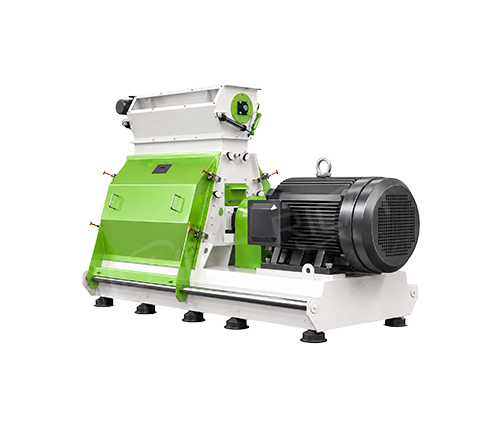
EFB fibers have a high moisture content, are long, and are tough. This crusher’s hammer mill structure can repeatedly impact, shear, and grind the EFB raw materials, breaking them into powder ≤3mm. We have thickened the machine casing, and the hammer blades are made of highly wear-resistant alloy material, which can effectively handle EFB raw materials.
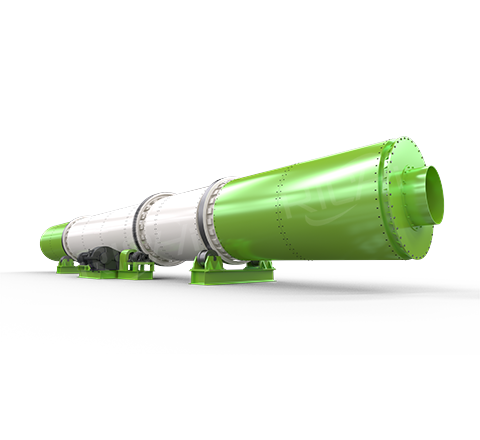
This drying unit has spiral lifting plates inside. As the drum rotates, the wet EFB material is continuously lifted and then scattered like a waterfall, which allows it to mix thoroughly with the hot air blown in. This enables fast and even moisture evaporation. The equipment also precisely controls both the hot air temperature and drum speed, keeping the final moisture content reliably between 12% and 15%.
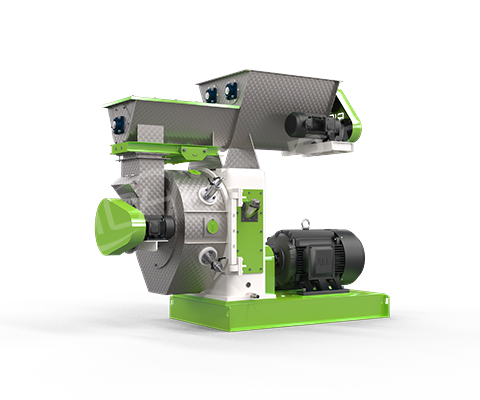
To prevent machine blockage caused by EFB powder bridging, we equipped the customized EFB pellet mill for our customer with a double-roller anti-bridging feeder and a forced feeder. These ensure that the lightweight powder enters the pelleting chamber evenly and stably. Combined with biomass-specific pressure rollers, the EFB fiber powder is firmly grasped and compressed into compact pellets.
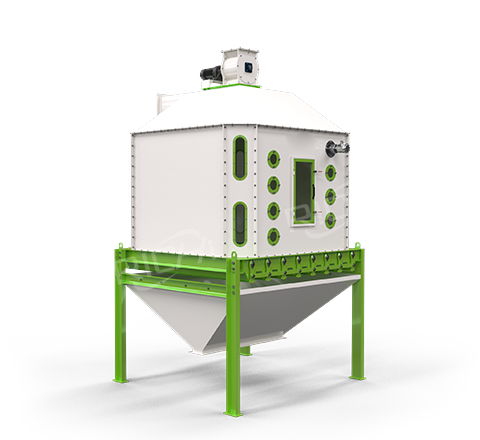
EFB Pellet Cooling Machine
This machine uses a counter-current cooling principle, where cool air flows from bottom to top, exchanging heat with the high-temperature pellets in the opposite direction, allowing the cool air to penetrate the pellet layer. Thanks to the special air distribution system inside the cooler, this cool air can be evenly distributed, preventing cracks from appearing on the surface of the EFB pellets due to localized sudden cooling.
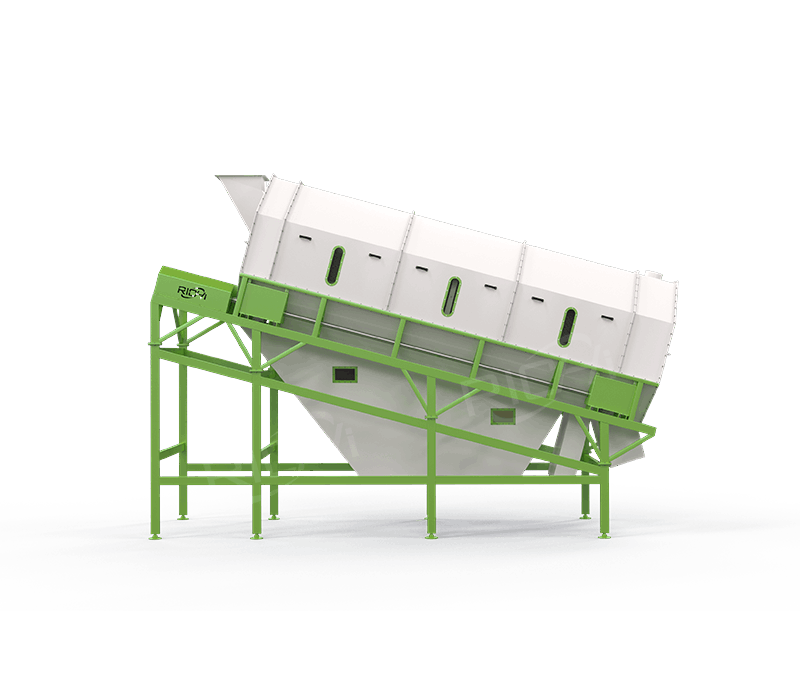
EFB Pellet Vibrating Screen
We equip our vibrating screens with 2-3 layers of 304 stainless steel mesh. The inclined screen surface vibrates at high frequency with small amplitude, causing EFB pellets to jump and move forward on the screen. Oversized pellets are intercepted and separated, while broken or substandard products are removed, leaving only uniformly sized, qualified pellets.

Malaysia EFB Pellet Plant Investment Cost Analysis
The costs for investing in and building an EFB pellet plant in Malaysia are listed below. These details may help you make a decision. Please note that actual expenses will vary with market conditions across different times and regions.

Common Misconceptions and Pitfalls
Many clients lack a thorough understanding of the details when setting up an EFB pellet production plant, and are prone to falling into seemingly reasonable but actually costly pitfalls. RICHI will remind clients of these points during communication, and the following information can help you avoid detours.
Ignoring the heat source for drying and relying solely on electricity to drive the drying process.
Fresh EFB raw materials typically have a moisture content exceeding 60%, making drying the most energy-intensive step in the entire EFB pellet production line. Using only electric power for heating and drying would lead to a significant increase in electricity costs. The correct approach is to use a biomass hot air furnace to provide sufficient heat to the drying drum.
Pure Electric Drying
Buy the equipment first, and then deal with the power supply and factory facilities later.
The main energy consumption in EFB pellet production is concentrated in the drying and pelleting sections, which require motors for operation. If the power supply is insufficient, the equipment will be unusable upon purchase. It is recommended to complete the power capacity upgrade and factory planning and renovation before the equipment arrives so that the machine can be put into production immediately upon arrival.
Late Power & Factory Planning
Only looking at the equipment’s advertised capacity without considering actual operating conditions.
The capacity listed on the equipment is usually test data under ideal material conditions. EFB raw materials have special characteristics, and fiber content, moisture content, impurity content, etc. will affect the actual capacity. When purchasing, you can ask the manufacturer to provide actual production data of the same type of raw materials. RICHI supports on-site trial runs. If conditions permit, you can also bring the raw materials for actual machine testing.
Ideal-Capacity Misjudgment
Other Biomass Pellet Production Line Solutions
EFB, as a biomass raw material, is relatively difficult to process. Since we have built an EFB pellet production line for Malaysia, we can also help customers in other countries complete pellet plant projects using a wider variety of raw materials. Please feel free to contact us if you have any needs.
Wood Pellet Production Line
Whether your raw wood materials are sawdust, shavings, or scraps from furniture factories and waste pallets, this production line can process them into biomass fuel, a clean fuel to replace coal, for industrial power generation, boiler heating, or residential heating.

Rice Husk Pellet Production Line
Designed for rice mills to process waste husks, it solves disposal and self-ignition issues. The pellets can be used for boiler fuel or sold to biomass power plants.

Straw Pellet Production Line
Processes straw from corn, wheat, and rice. It can produce biomass fuel pellets, and with formula and process adjustments, it can also make feed pellets for livestock.

FAQ
Below are some related questions and answers that other customers may be curious about. If you have a need to build an EFB pellet plant, you can check the following content for a general understanding.
Is it necessary to add binders during the production of EFB pellets?
→
No adhesives or additives are needed during production. EFB contains natural lignin, so under strong extrusion from the pellet mill, it forms dense pellets that hold together well and won’t easily loosen.
If we want to expand production capacity in the future, is that easy to achieve?
→
Yes, it’s achievable. When discussing production plans with clients, we generally recommend reserving space for future expansion, such as adding more power interfaces or making the storage silos larger. This facilitates the smooth completion of expansion plans. We support post-expansion planning services. If you have any related needs after purchasing our pelleting production line, please contact us directly.
How long after the production line equipment is installed can it be put into formal production?
→
From the time the equipment arrives on site to the completion of installation and commissioning, it generally takes 3-4 months. The specific time to put it into production depends on whether the customer’s factory preparation, power access, and supporting conditions such as raw material supply are in place. We suggest that customers make other preparations in advance besides equipment installation and commissioning.
How much does it cost to invest in an EFB pellet production line?
→
There isn’t a fixed, uniform price for building a production line; it depends on the specific circumstances and needs of each client. What we can do is, after receiving your inquiry and understanding your specific situation, provide you with a detailed and up-to-date quote. All our equipment is manufactured in-house, ensuring there are no middlemen taking a cut.
Are there any special requirements for the factory building when setting up an EFB pellet production plant?
→
There are no particularly stringent requirements; only basic hard parameters need to be met, such as sufficient installation space for vertical equipment like elevators and coolers, and adequate access and maintenance space. If located in a hot and humid area, it is recommended to take precautions against rain and moisture, and to harden the ground to prevent the raw materials from getting damp.

Process of Setting Up Malaysia EFB Pellet Plant
Setting up a pellet production plant requires a long period of time. RICHI’s services to customers go beyond just selling equipment. They provide full support from initial consultation to after-sales support after order completion, following up on the construction and delivery of EFB pellet production plants.
Needs Assessment
When this Malaysian client came to inquire, we first had an in-depth discussion to clarify their raw material, production capacity, and factory layout needs, understand the pelleting effect they wanted to achieve, and took them on a factory tour so they could see the equipment up close.

Solution Customization
Based on the client’s requirements, RICHI provided a complete solution and detailed quotation. During the confirmation process with the client, the client felt there were some areas that needed adjustment, which we comprehensively adopted and considered, and finally formulated a solution of 2-2.5 tons/hour.
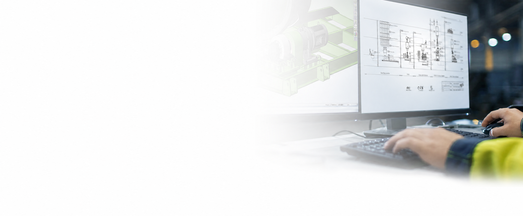
Equipment Manufacturing
Based on the finalized plan, RICHI began to invest in intelligent and refined production in its own factory. According to customer needs and local climate conditions in Malaysia, all equipment used in EFB pelleting production underwent wear-resistant and moisture-resistant optimization treatment.

On-Site Installation
After the entire set of equipment is manufactured, we arrange logistics and transportation according to the customer’s needs, and send two experienced engineers to the customer’s site to assist the customer’s operators in the installation process. After installation, we conduct trial operation and debug any parts that are not working properly.
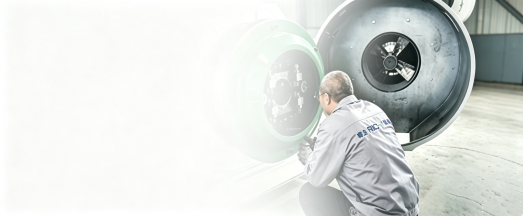
Comprehensive Training
To help our customers’ operators quickly become familiar with the equipment and produce EFB pellets that meet their satisfaction, our engineers provide training services. The main content includes routine operating procedures, equipment disassembly and assembly tutorials, and common troubleshooting and maintenance techniques.

After‑Sales Support
Once the order is fully delivered, customers can enjoy a 12-month warranty period. During this period, if any problems are encountered during the operation of the EFB pellet plant, customers can get help by contacting after-sales personnel. Whether it is the purchase of consumable parts or troubleshooting, RICHI can provide support.

Project Experience
30+
Years

Countries and Regions Served
140+

Projects Delivered
2000+

Factory Area
100,000+
㎡

About Us
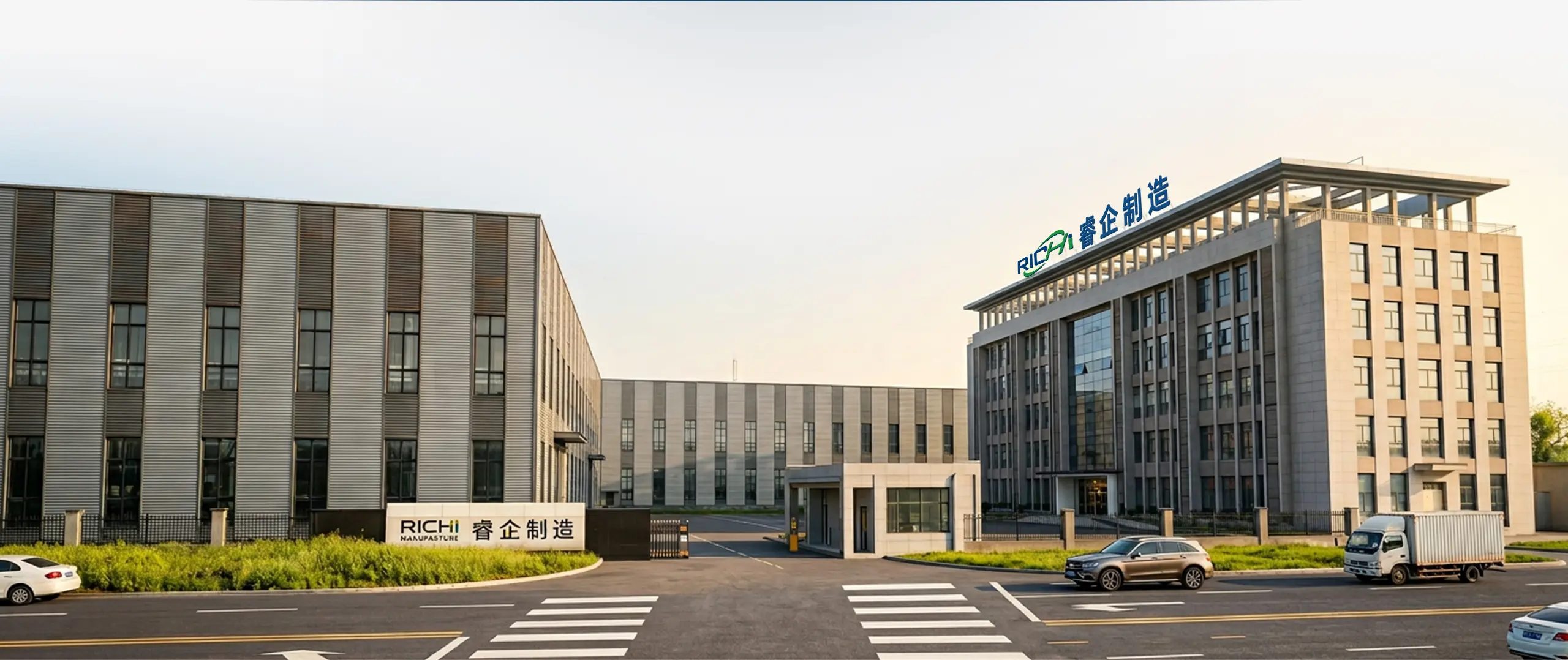
Henan RICHI Machinery Co., Ltd., established in 1995, primarily focuses on the research and development and manufacturing of feed machinery, biomass pelleting equipment, organic fertilizer pelleting equipment, and complete pelleting production lines. After more than 30 years of development, RICHI has become a professional pelleting machinery manufacturer. Our products are exported to over 140 countries and regions worldwide, earning the trust of customers both domestically and internationally.
Qualification Advantages
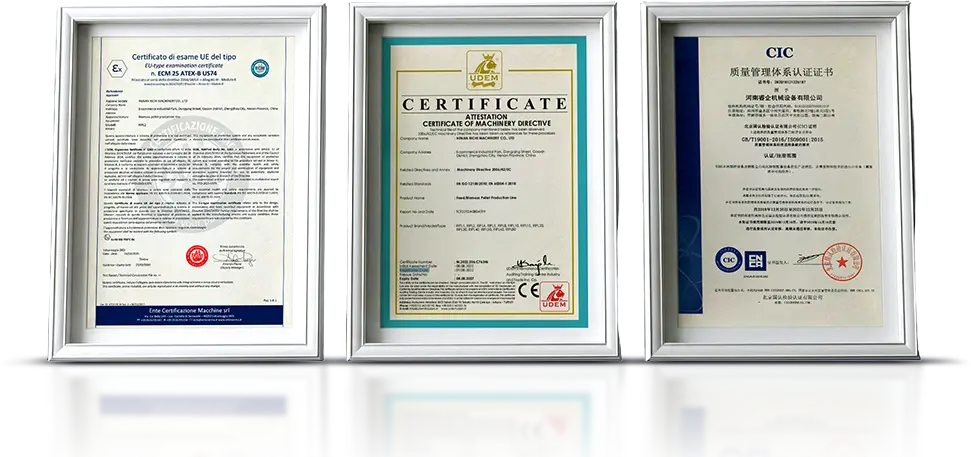
RICHI boasts numerous international authoritative certifications and patents, including ISO9001, CE, SGS, and TÜV. This means that the equipment you purchase can smoothly pass through customs and quality standards in various countries, with no customs clearance risks and compliant delivery. Choosing RICHI means choosing a guarantee of smooth global access and worry-free production.