According to different customer needs, RICHI
Poultry Feed Production Line
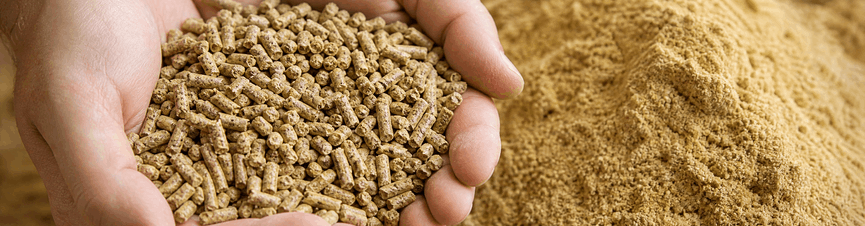
The RICHI poultry feed production line is designed to produce high‑value, nutritious feed for chickens, ducks, geese, pigeons, and other poultry. It suits all scales of poultry farms, farmer operations, and feed manufacturing plants. Whether you need pellets or mash, this line has you covered.

Introduction of Poultry Feed Production Line
Whether you’re a poultry farmer or a feed producer, you need high‑quality poultry feed – either for your own use or for sale. And to get that, a complete feed production line is a smart investment. For farmers, it cuts out the high markups and quality uncertainties that come with buying feed from outside. For feed manufacturers, it uses advanced equipment and automated systems to make formulations more precise and nutrition more consistent.
The RICHI poultry feed production line covers everything from raw material cleaning, grinding, mixing, and pelleting to cooling, screening, and packaging. It handles ingredients like corn, wheat, soybean meal, and limestone powder. You can also adjust equipment parameters to match your specific formulas, so you consistently get high‑quality mash or pellets that fit any type of poultry.
Capacity: 1-100 T/H
Price: $10,000 – $1,000,000
Pellet Size: 2-12 mm
Poultry Feed Production Line Video
Some first‑time buyers might wonder: what does a complete production line actually look like when it’s running? And how good is the poultry feed it produces? The two videos below might give you the answers.
5–6 T/ H Poultry Feed Production Line in Oman

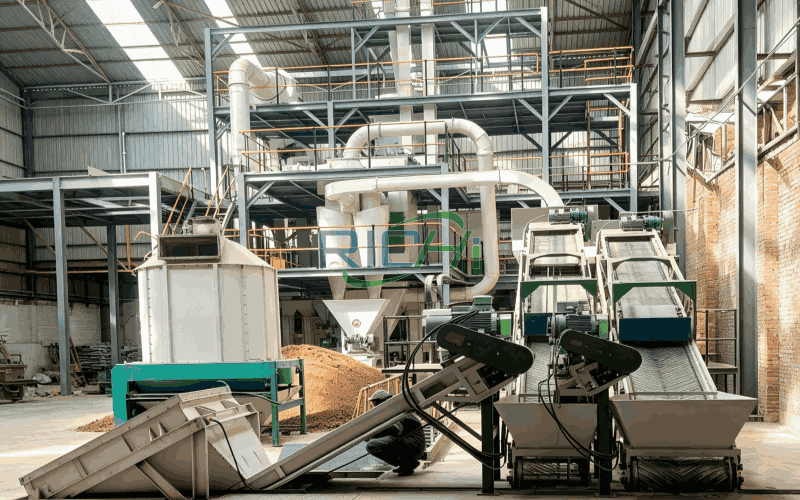
5–6 T/ Poultry Feed Production Line in Zimbabwe
How to Produce High-Quality Poultry Feed
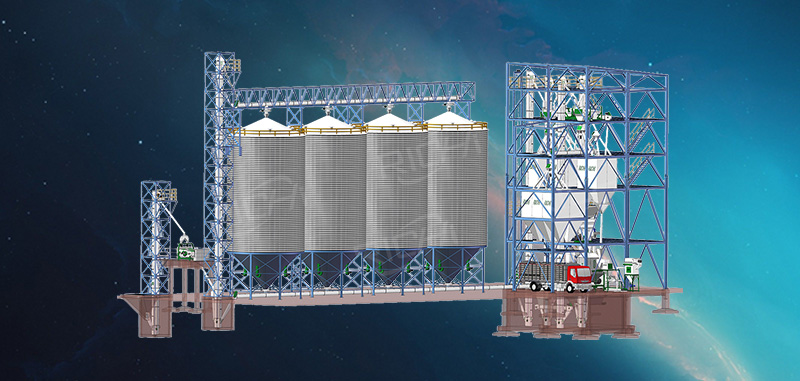
What steps do you need to produce high‑quality poultry feed? We’ll walk you through the complete feed production process one by one. If you’re only making mash (powdered) feed, you can skip a few of these stages.
01.
Crushing
Poultry have different feed size needs at different growth stages, so larger grains need to be ground first. The grinding fineness directly affects how well the birds digest and absorb the feed. The right pellet size also helps with mixing uniformity in the next step.
02.
Mixing
This is the core step for achieving a “complete” nutritional profile. Our RICHI poultry feed production lines can be equipped with a computer‑controlled automatic batching system. You weigh out ingredients like corn, soybean meal, and vitamins according to your formula, then mix them thoroughly. That’s how you make sure every batch is nutritionally balanced.
03.
Conditioning
This step is where pellet feed differs most from mash, and it’s one of the most important value‑adding stages. The mixed material moves into the conditioner, where paddles push it forward while exposing it to high‑temperature steam. This gelatinizes the starch and kills harmful bacteria – which improves the feed’s safety.
04.
Pelleting
The conditioned material – now hot and moist – goes into the pelleting chamber of the poultry feed mill. Inside, the ring die and rollers are highly wear‑ and corrosion‑resistant. They apply heavy mechanical pressure to force the material through the die holes. Then a cutter slices the extruded strands into uniform cylindrical pellets.
05.
Cooling
After high‑temperature conditioning and mechanical pressing, the pellets come out at 80‑90°C with high moisture content. At this point, they’re soft and fragile – not suitable for storage or transport. So cooling is essential. This step brings the temperature down to room level and reduces moisture to below 13%, making the pellets hard, durable, and smooth on the outside.
06.
Screening
If you care about the appearance and quality of your finished product, screening is a must. Rapid cooling may produce some dust or broken pellets – and those don’t meet quality standards. The screener separates out oversized, undersized, or damaged pellets, so only uniform, well‑formed pellets move on to the next stage.
07.
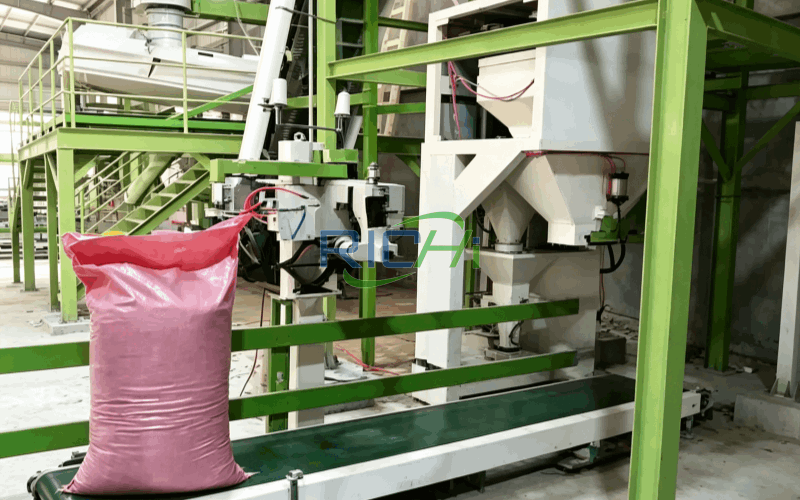
Packaging
Both mash and pellets are conveyed to this final stage. A fully automatic scale weighs and bags them, handling common bag sizes from 10 to 50 kg. For best results, store the packaged feed in a dry, well‑ventilated place away from sunlight – that keeps it in top condition throughout its shelf life.
Cases of Poultry Feed Production Line
Our RICHI poultry feed production lines have been installed and put into operation in over 140 countries and regions. Below are some real case examples – they might give you a better sense of what we offer. If you’d like a custom line of your own, feel free to reach out to us anytime.
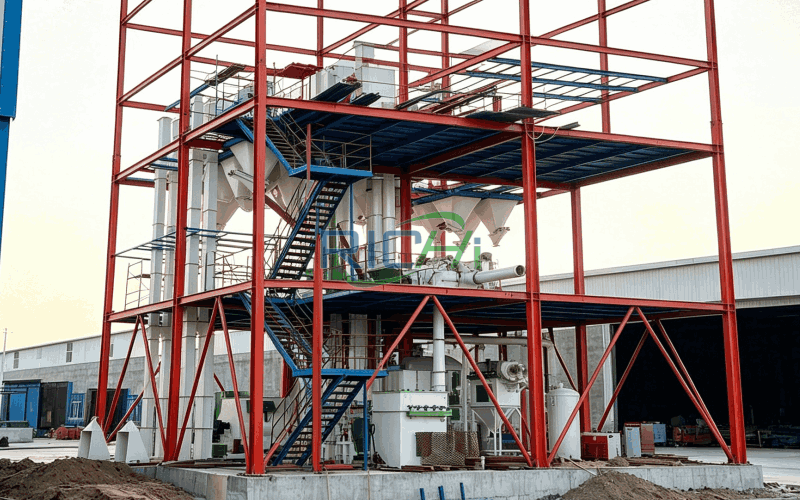
10 T/H Poultry Feed Production Line in Iraq
Equipment: hammer mill, mixer, bagging scale, and fully automatic batching system
Raw Materials: corn, wheat, soybean meal, sunflower meal, premix, vitamins, and minerals
Overview:
The client is a feed producer in Iraq. They supply feed to large poultry farms in the area, mainly producing general‑purpose mash for broilers, layers, and free‑range chickens. Six months after startup, they told us the poultry feed production line’s high automation has saved them a lot on labor costs.

3–4 T/H Poultry Feed Production Line in Ethiopia
Equipment: hammer mill, mixer, and semi‑automatic bagging scale
Raw Materials: corn, sorghum, wheat bran, soybean meal, trace elements, and others
Overview:
The client runs a small‑to‑medium feed mill that focuses on mash for free‑range and broiler chickens. With local poultry farming growing fast, there was a clear gap in the market for affordable, good‑quality feed. They wanted a new line to make up for their earlier capacity limits. Since going live, the equipment has run smoothly and is easy to operate – it handles small‑to‑medium orders perfectly.
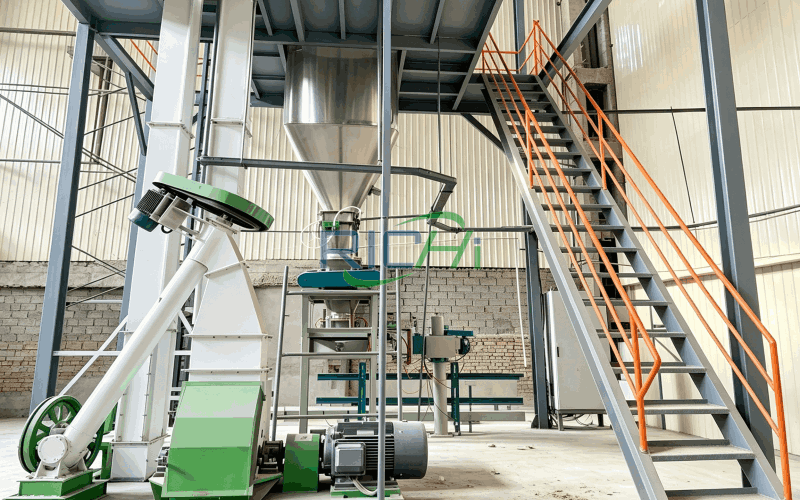
5–6 T/H Poultry Feed Production Line in Uzbekistan
Equipment: hammer mill, mixer, and bagging scale
Raw Materials: corn, sunflower meal, wheat bran, and others
Overview:
The client runs a feed plant that supports a poultry farm in Kazakhstan. The local poultry industry is growing at 12‑15% per year, and demand for quality feed has been outstripping supply. They bought this poultry feed production line to boost efficiency and maintain feed quality. After startup, production became noticeably more efficient, and they’ve been able to produce mash steadily.
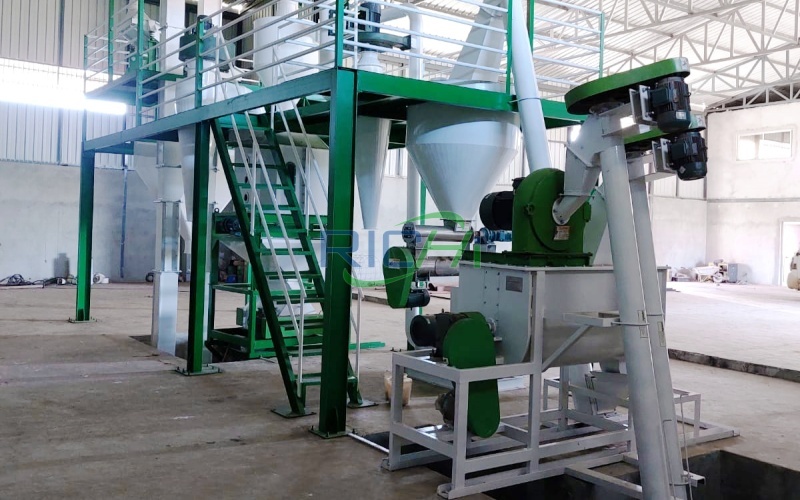
2–3 T/H Poultry Feed Production Line in Egypt
Equipment: hammer mill, batching mixer, pellet mill, cooler, vibrating screen, and bagging scale
Raw Materials: soybean meal, wheat bran, corn, poultry premix, and others
Overview:
The client is a high‑end feed producer that makes specialized pellets for meat pigeons. There’s a big gap in the local market for pigeon feed, so they wanted a poultry feed production line that would boost capacity and help them target a more specialized segment. This line handles Egypt’s hot, humid climate well – it extends shelf life and improves pellet quality, giving the client a clear edge over competitors.
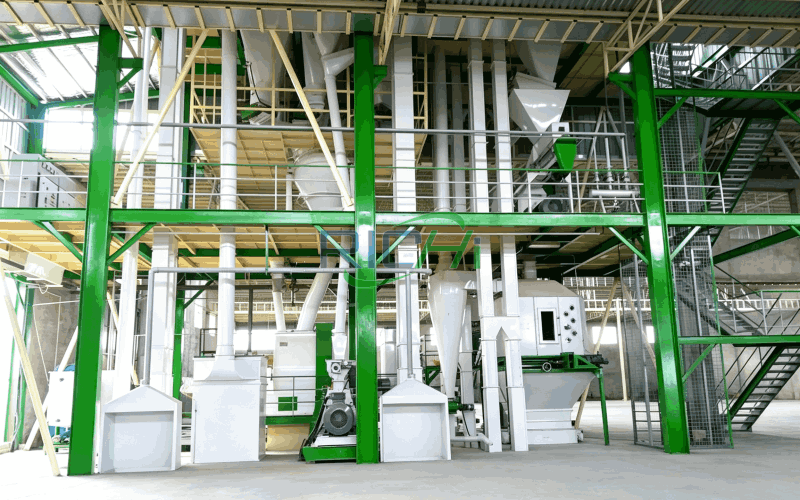
10 T/H Poultry Feed Production Line in Afghanistan
Equipment: hammer mill, mixer, pellet mill, cooler, vibrating screen, fully automatic bagging scale, and fully automatic batching system
Raw Materials: corn, wheat bran, cottonseed meal, soybean meal, fish meal, premix, and minerals
Overview:
The client is a major agribusiness in Afghanistan, focused on pellet feed for broilers at all stages – from chicks to market‑ready birds. Before this, they relied heavily on imported mash and simple processing, which led to high waste and uneven nutrition. This highly automated pellet production line cut their labor costs and production losses significantly. Since it went into operation, their revenue and market share have both grown noticeably.
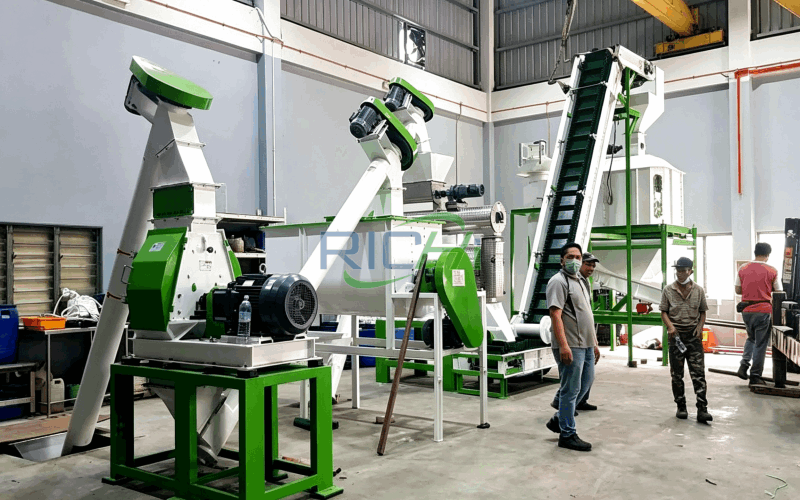
7–8 T/H Poultry Feed Production Line in Malaysia
Equipment: hammer mill, mixer, pellet mill, cooler, vibrating screen, and fully automatic bagging machine
Raw Materials: palm kernel meal, soybean meal, corn, rice bran, and others
Overview:
The client has long focused on the Southeast Asian waterfowl feed market, producing high‑end feed for both local sales and export. They have strict standards for nutritional balance. The mixer in this line blends every ingredient thoroughly, so the nutrition is evenly distributed. The whole poultry feed production line is also built to handle high heat and humidity – the pellets stay stable and don’t spoil easily. Their waterfowl feed now sells in several Southeast Asian countries, and their market presence has grown steadily.

Feedback on Poultry Feed Production Line
Every collaboration is a test. Let’s hear what our customers have to say. They come from different countries and run poultry feed production lines of various sizes. But they all agree: RICHI’s equipment and quick response are truly impressive.
What Equipment Do You Need for Poultry Feed Production
We’ve already walked you through the process of making high‑quality poultry feed. Now let’s take a closer look at the key equipment used in a poultry feed production line. Here’s a detailed list.
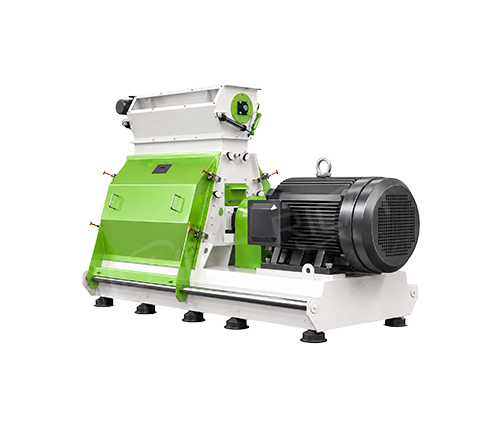
Poultry Feed Grinder
This machine grinds raw materials like corn and soybean meal. It uses thickened, wear‑resistant hammers that last longer. The finished product has a geometric mean pellet size of 400‑1200 μm – which suits different poultry types and growth stages.
Raw Material Mixer
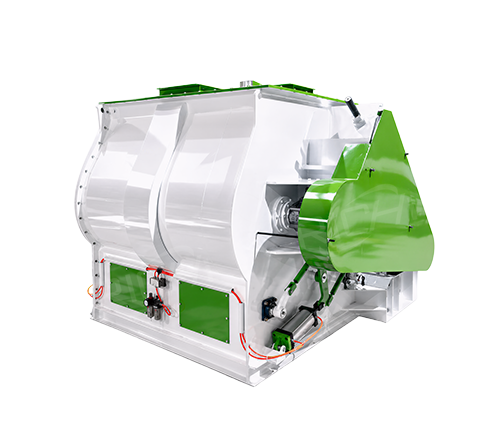
This is the core equipment for blending various ingredients and micro‑additives. It uses a twin‑shaft paddle design for short mixing cycles. The coefficient of variation (CV) stays below 5%, so every batch of feed has consistent nutrition.
Poultry Feed Pellet Making Machine
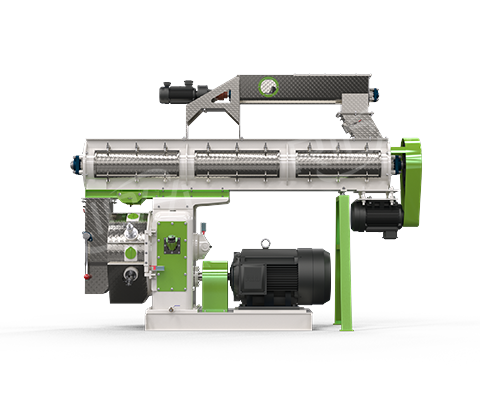
This machine turns powder into pellets through conditioning and mechanical pressing. It’s a core piece of equipment in the line, with a gear drive system and a variable‑frequency feeder for smooth operation. The ring die aperture can be selected from 2 mm to 12 mm to match your needs.
Cooling Machine
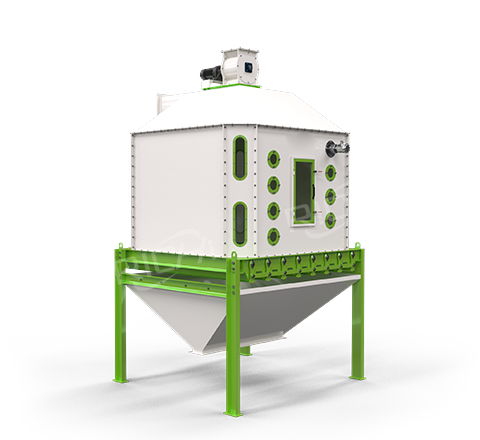
This equipment uses a counter‑flow cooling principle – high‑temperature pellets make full contact with cool air. Temperatures drop quickly to within 3°C of room level. That prevents cracking and ensures safe storage.
Vibrating Screen
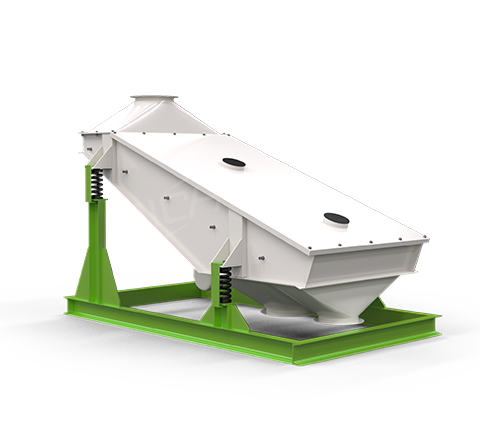
This unit has multiple screen layers to remove fines and debris from the pellets. It separates oversized pellets, qualified pellets, and dust. The result is uniform size and a clean appearance, with a screening efficiency of over 98%.
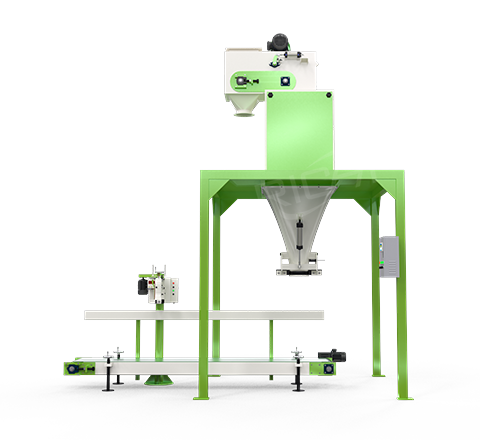
Bagging Scale
This machine handles the automatic weighing and packaging of finished feed. It delivers accuracy within ±20g and works with standard 10‑50 kg bags. Paired with a heat sealer, it boosts packaging efficiency and cuts labor costs.
FAQ
We’ve put together some of the questions our customers often ask – you might have the same ones. Feel free to read through them. If anything else comes up, just reach out to us.
What’s the difference between a mash line and a pellet line?
→
A poultry mash production line typically goes through grinding, batching, mixing, and bagging. A pellet line adds extra steps after mixing – conditioning, pelleting, cooling, and screening.
Pellets go through high‑temperature conditioning and mechanical pressing, which gives them better starch gelatinization and improved palatability. However, pellet production costs more. Which one is right for you really depends on your needs. Not sure? Just ask us – we’ll give you a professional recommendation.
How do I pick the right capacity for my poultry feed production line?
→
That depends on your farming scale, target market, investment budget, and a few other factors. Based on what we’ve seen with our clients, most small poultry feed lines run at 1‑5 tons/hour, medium ones at 5‑10 tons/hour, and large ones go above 10 tons/hour. Bigger isn’t always better – matching capacity to your actual needs avoids wasting money on equipment that sits idle.
If this is your first poultry feed production line, or you’re mainly producing for your own use, we suggest starting with a small or medium‑sized line. We can also build in expansion options, so you’re covered if you need to scale up later.
What types of poultry feed can this line produce?
→
With the right setup, a RICHI poultry feed production line can make feed for broilers, layers, chicks, breeders, ducks, and more. You just adjust the formula, grind size, and ring die aperture – one line handles different poultry types and growth stages.
Can I send you my raw materials for a test run first?
→
Absolutely. Just contact us for our address and mail us the materials you plan to use. We’ll run a trial production at our factory to simulate the key stages of the line. Then we’ll send you feedback on pellet shape, hardness, appearance – so you can see the quality for yourself before you commit.
How long does it take to install a production line?
→
That depends on the scale and complexity of your equipment. For a small line (1‑2 tons/hour), installation and commissioning usually take about two weeks. Larger lines have more equipment, so naturally they take longer. We’ll send technicians to help on‑site or provide remote guidance to move things along and keep the timeline as short as possible.

Service Process of RICHI
Buying a poultry feed production line involves a number of important steps – from your first inquiry to the moment the equipment is up and running. At RICHI, we provide support at every stage, so you have less to worry about.
Project Experience
30+
Years

Countries and Regions Served
140+

Projects Delivered
2000+

Factory Area
100,000+
㎡

About Us
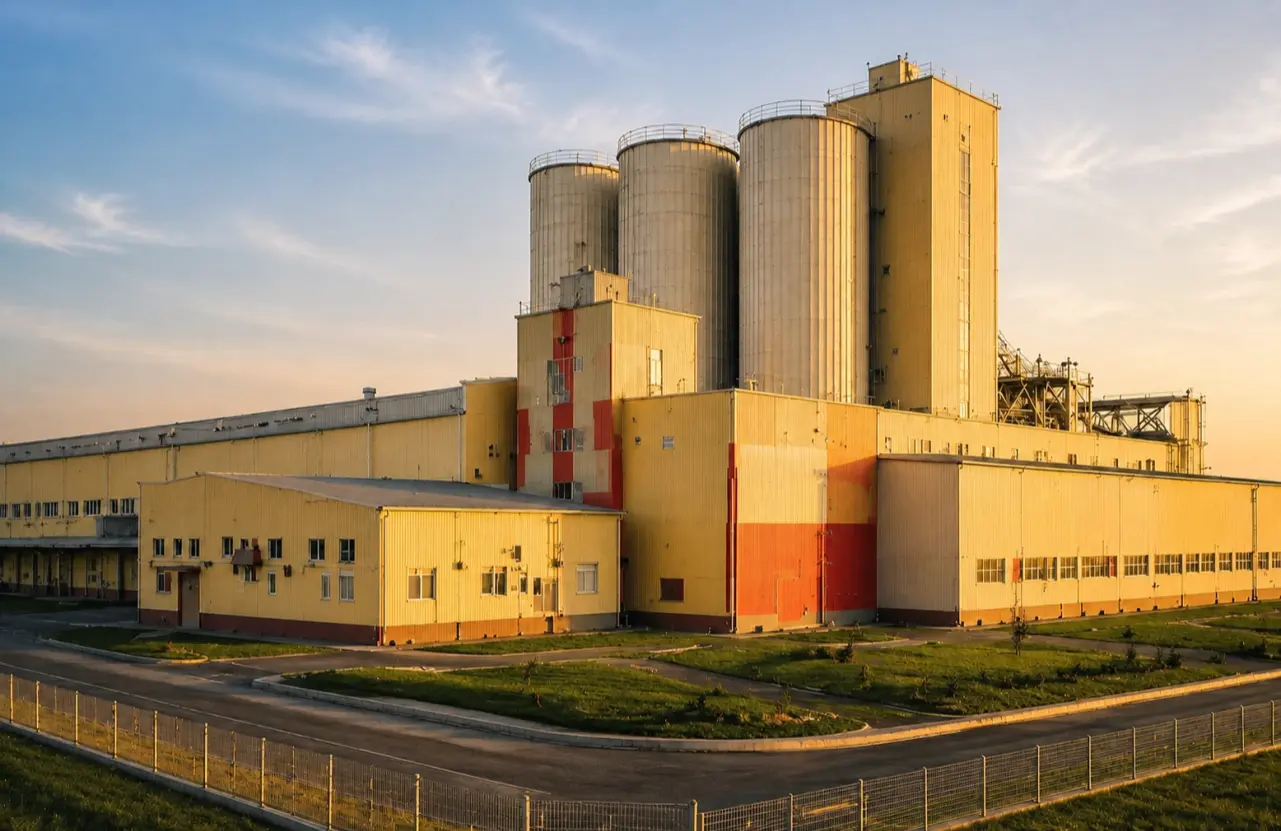
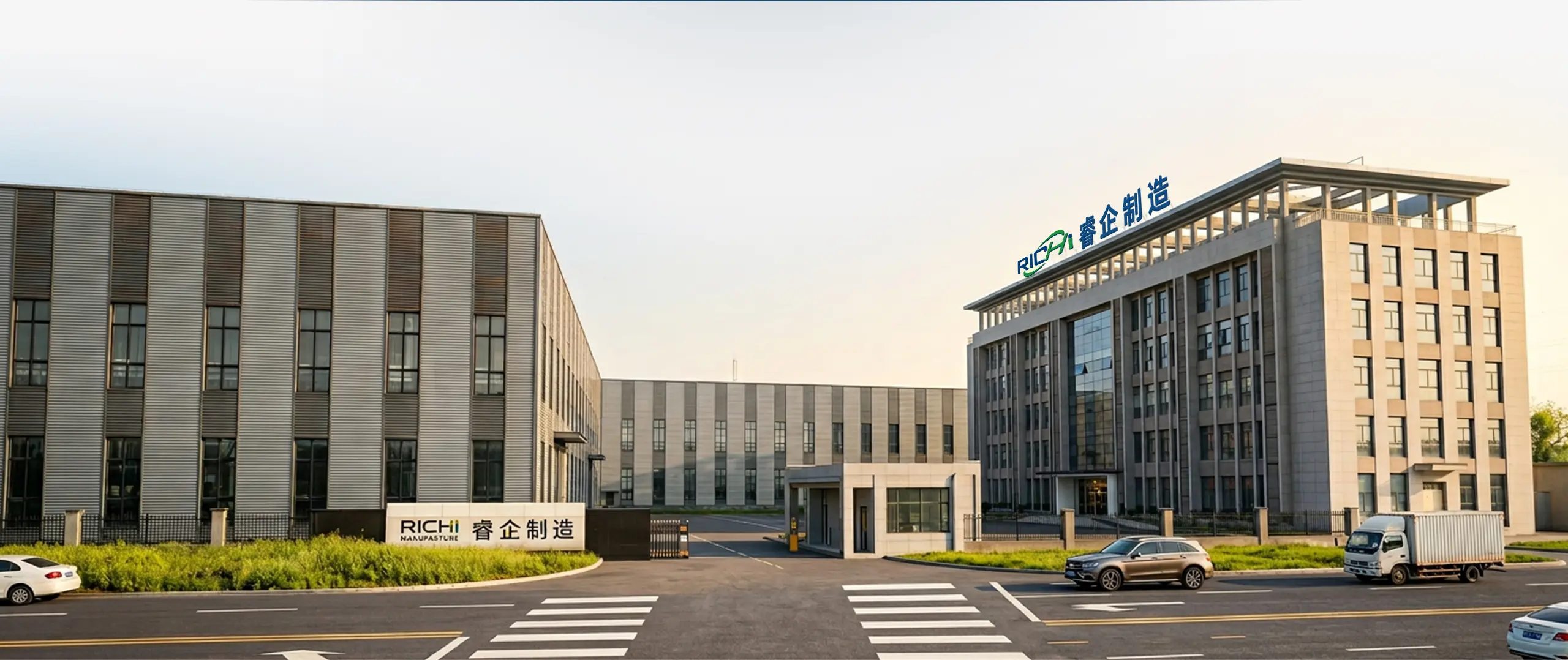
Henan RICHI Machinery Co., Ltd., established in 1995, primarily focuses on the research and development and manufacturing of feed machinery, biomass pelleting equipment, organic fertilizer pelleting equipment, and complete pelleting production lines. After more than 30 years of development, RICHI has become a professional pelleting machinery manufacturer. Our products are exported to over 140 countries and regions worldwide, earning the trust of customers both domestically and internationally.
Qualification Advantages
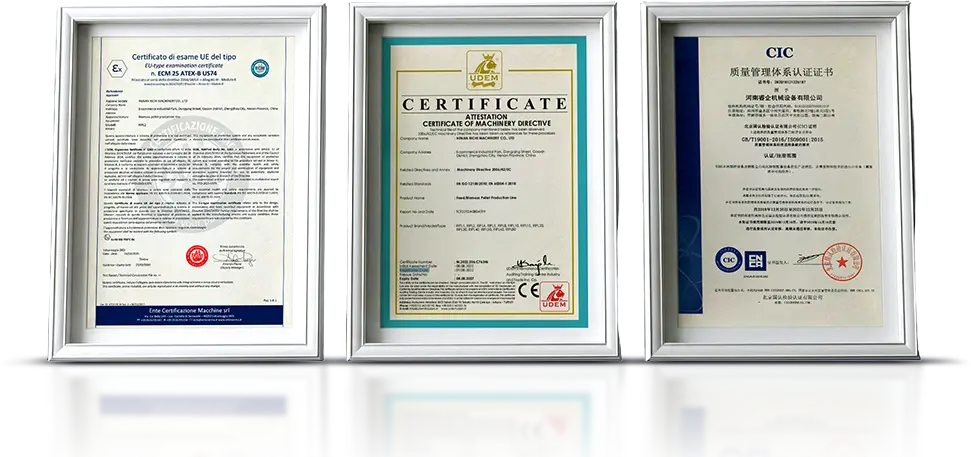
RICHI machinery boasts numerous international authoritative certifications and patents, including ISO9001, CE, SGS, and TÜV. This means that the equipment you purchase can smoothly pass through customs and quality standards in various countries, with no customs clearance risks and compliant delivery. Choosing RICHI means choosing a guarantee of smooth global access and worry-free production.