
Chicken Feed Pellet Mill


Product Information
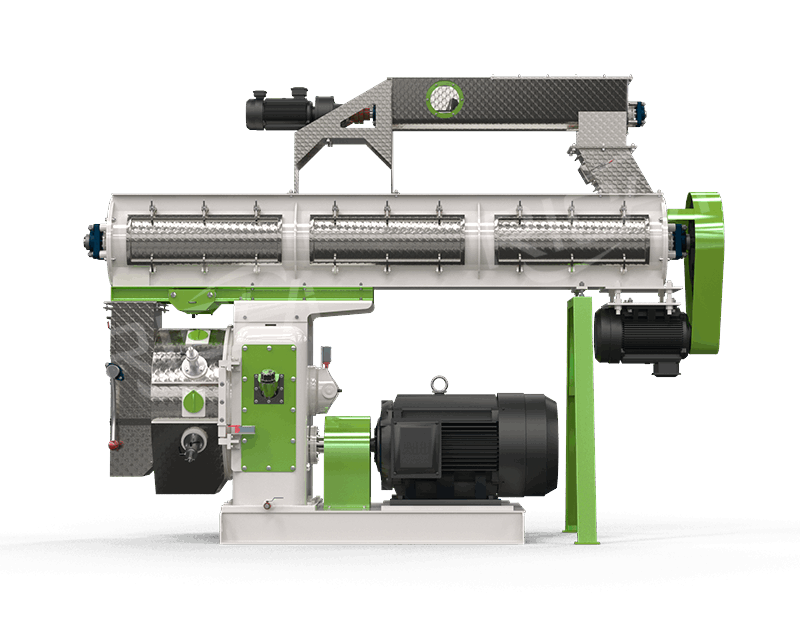
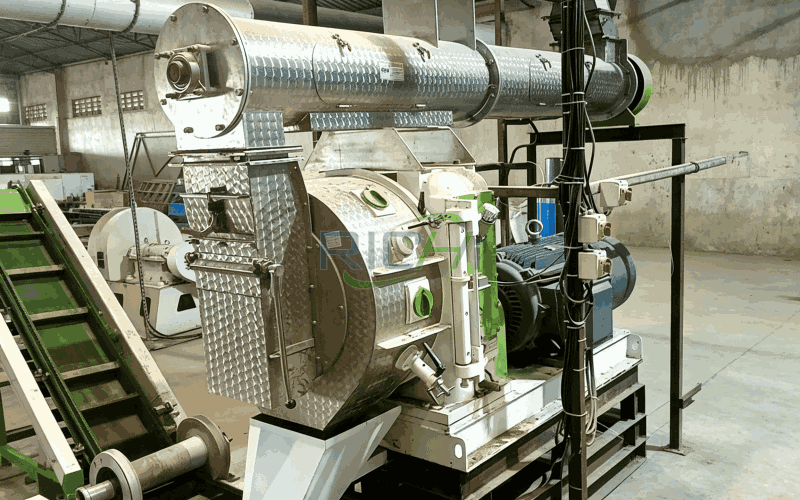
What is Chicken Feed Pellet Mill
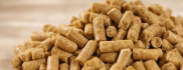
Capacity: 1-40 T/H
In simple terms, a chicken feed pellet mill is a piece of equipment that turns ingredients like corn, wheat, and soybean meal into highly nutritious feed pellets for chickens.
It features a long service life, easy operation, and consistent output quality. You can also adjust pellet sizes to match the nutritional needs of chickens at different stages – whether chicks, growers, or broilers.
This model is one of RICHI’s most mature and best‑selling pellet mills, and it is widely used in all kinds of feed production settings. Feel free to contact us for the latest price.
Application Scenarios for Chicken Feed Pellet Mill
When we designed the RICHI chicken feed pellet mill, we thought carefully about where and how our customers might use it. Below are several common application scenarios it can handle:
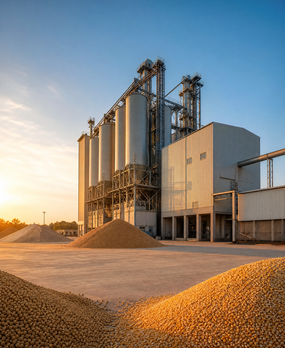
Large‑Scale Chicken Feed Processing Plant
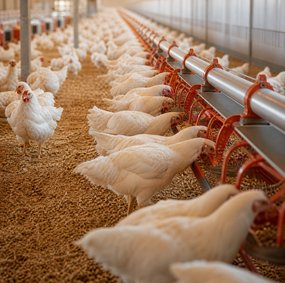
Modern Poultry Farm
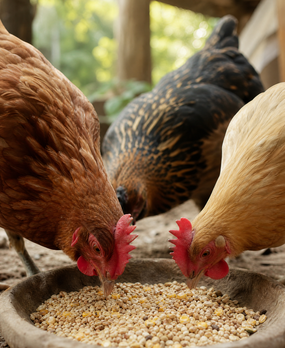
Small‑Scale Poultry Farmer
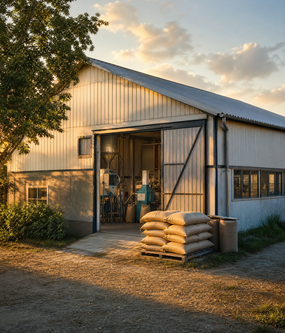
Medium‑Sized Feed Production Workshop
How Chicken Feed Pellet Mill Works
Before we go into the details, let’s first take a look at how the chicken feed pellet mill performs in practice and the pellet quality it produces. The two videos below come from clients we’ve served in Oman and Zimbabwe. They show the chicken feed pellet making machine running on their sites.
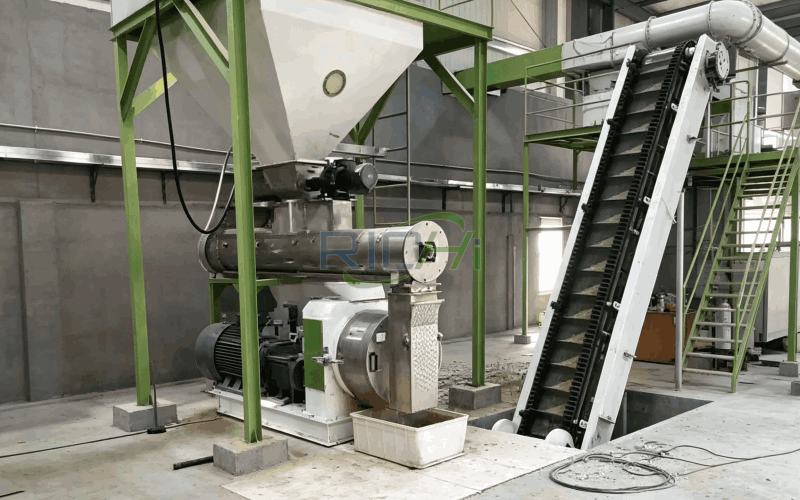
5–6 T/H Chicken Feed Pellet Mill in Oman

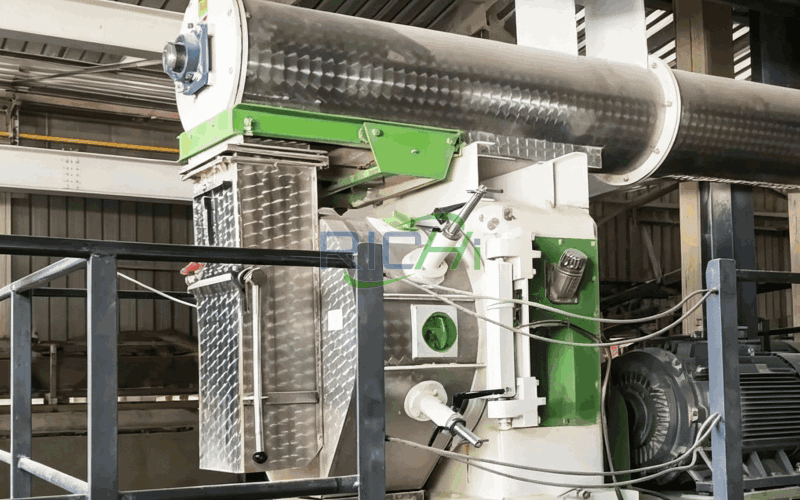
6 T/H Chicken Feed Pellet Mill in Zimbabwe
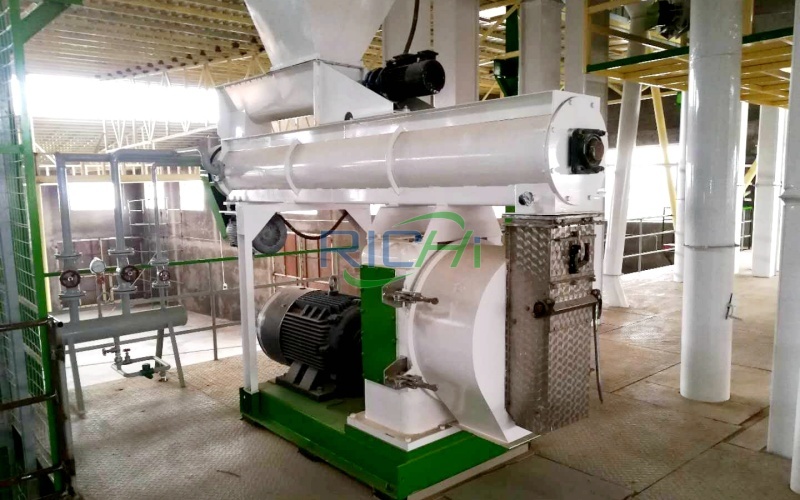
Components of Chicken Feed Pellet Mill
Now let’s walk through the key components of this equipment. Once you understand how it’s built, you’ll have a better sense of what a high‑quality chicken feed pellet mill looks like.
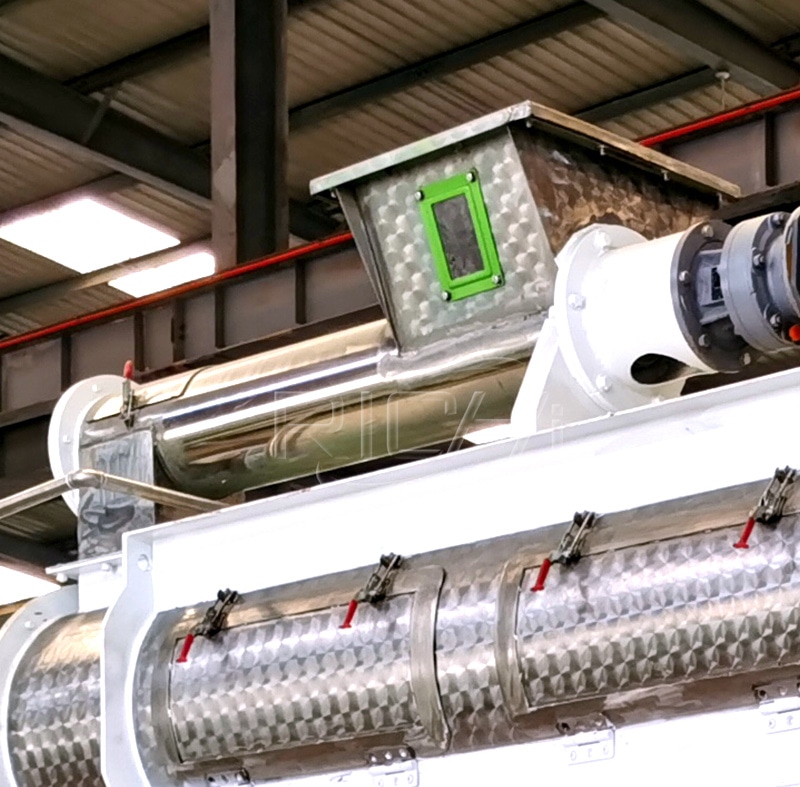
Feeder
This is where the raw materials go in. We use a variable‑frequency drive motor here, so the feeding speed can be adjusted flexibly to match different production needs. It delivers the material evenly and at a controlled rate into the conditioner. That prevents the mill from getting clogged from too much feed, or running idle from too little.
Conditioner
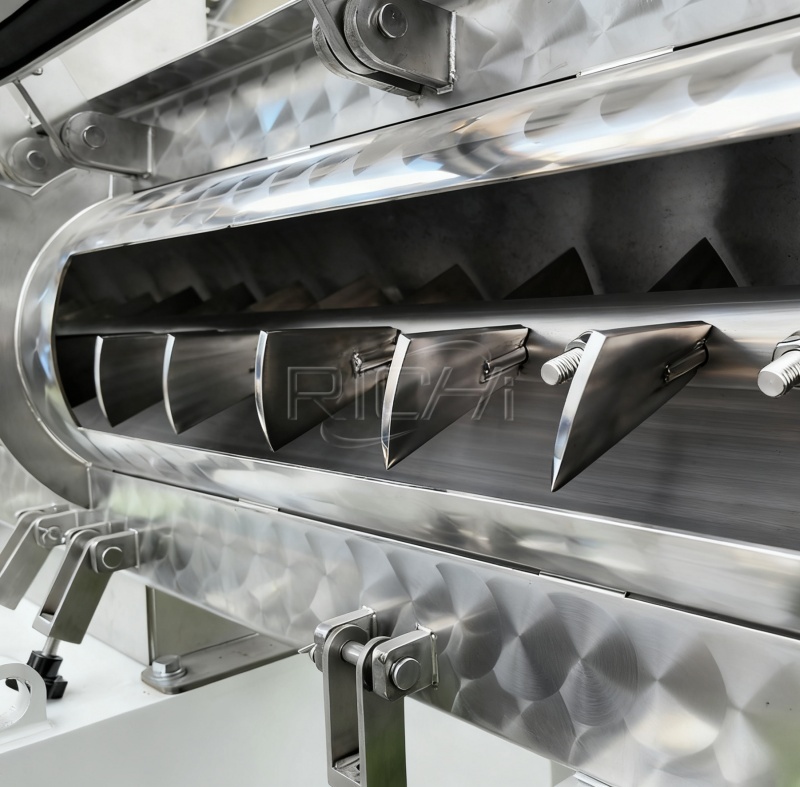
The conditioner moves the material forward and ensures it gets fully cooked and gelatinized. It has a steam inlet on the outside for injecting high‑temperature steam. Inside, forged paddles lift and push the material forward, so it makes good contact with the steam. That helps with cooking and sterilization.
Ring Die
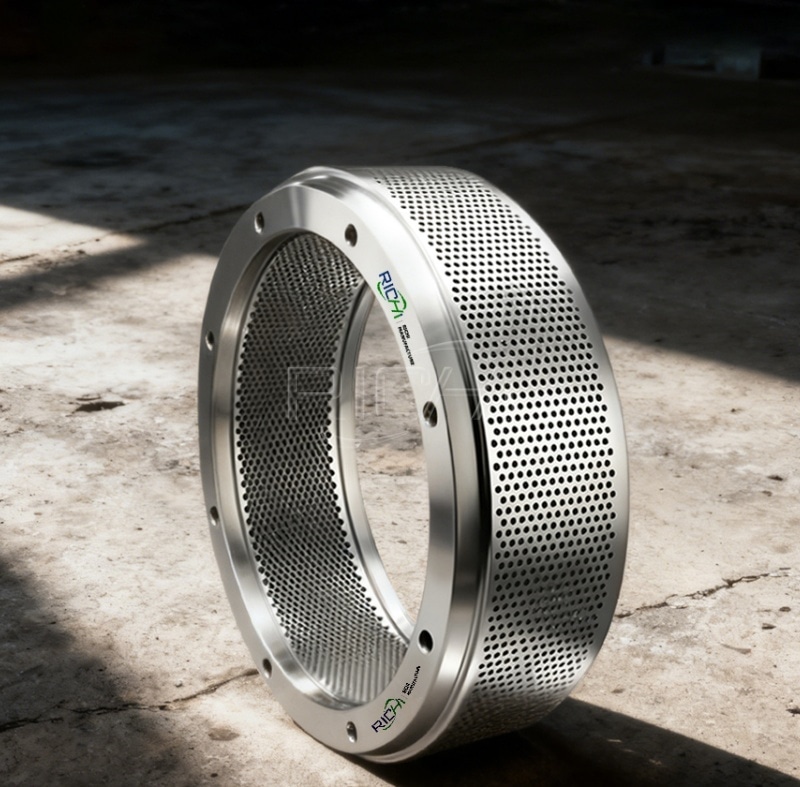
The ring die plays a big role in pellet quality. It’s made of stainless steel for strong wear resistance, with evenly sized holes across the surface. The material from the conditioner gets pressed through these holes by the rollers, forming tight cylindrical pellets. By changing the ring die to one with different hole sizes, you can produce pellets of various specifications.
Motor
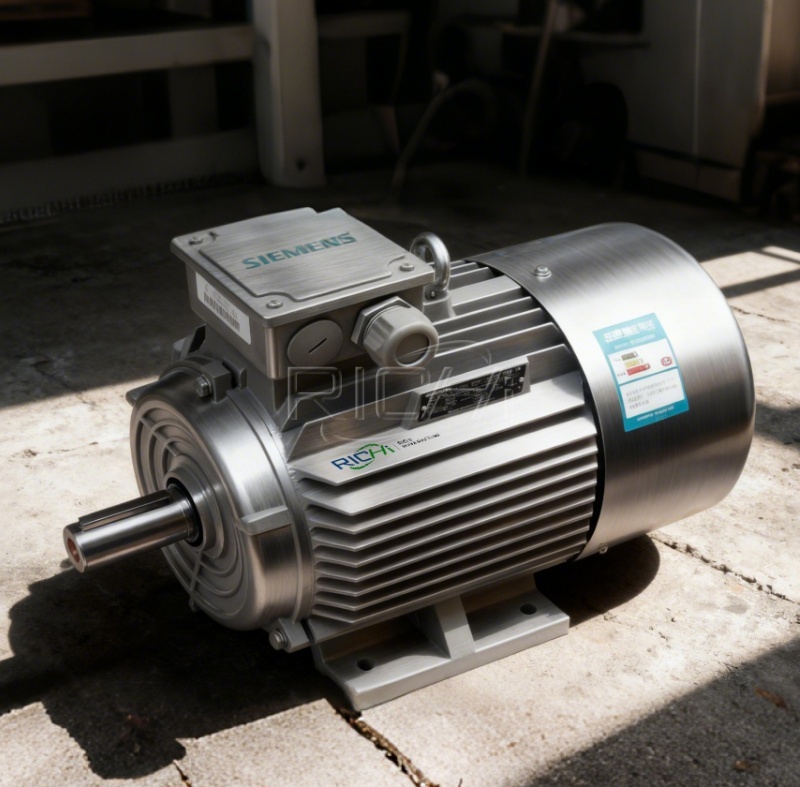
We equip all our chicken feed pellet mills with Siemens motors. They provide steady, powerful drive – handling heavy starts and long, continuous operation with ease. The motor’s high torque keeps the mill running smoothly even under high loads, lowering energy consumption per unit and reducing the risk of clogging from insufficient power.
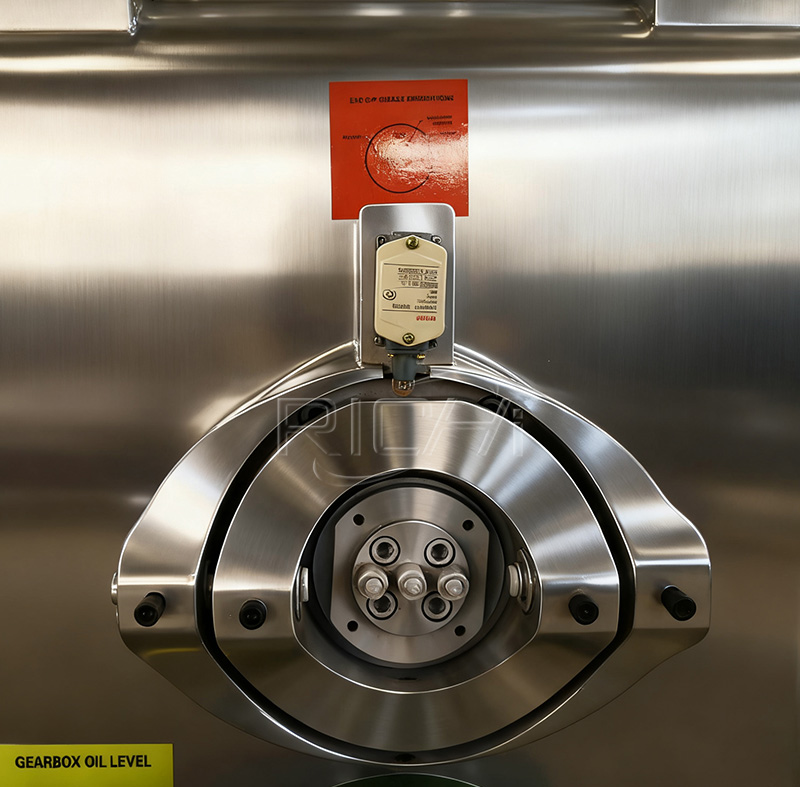
Shear Pin
For safety and lower maintenance costs, we’ve installed a critical shear pin on the chicken feed pellet mill. If hard objects get inside or a sudden torque spike occurs from material overload, the shear pin breaks intentionally – cutting off power transmission. That protects key parts like the ring die and main shaft from damage.

Specifications of Chicken Feed Pellet Mill
As one of the most popular pellet mills on the market, RICHI chicken feed pellet mills have been sold to over 140 countries and regions over the past 30 years. Along the way, we have accumulated a wealth of customer data and gained a clear understanding of what different clients need. Based on that, we keep improving our designs and now offer a full range of models for you to choose from.
| Model | SZLH250 | SZLH320 | SZLH350 | SZLH420 | SZLH508 | SZLH558 | SZLH678 | SZLH768 |
|---|---|---|---|---|---|---|---|---|
| Main motor power ( kW ) | 22 | 37 | 55 | 110 | 160 | 185 | 250 | 315 |
| Feeder Power ( kW ) | 1.1 | 1.5 | 1.5 | 1.5 | 1.5 | 1.5 | 1.5 | 2.2 |
| Modulator Power ( kW ) | 1.5 | 4 | 4 | 7.5 | 7.5 | 11 | 11 | 11 |
| Ring Die Inner Diameter ( mm ) | 250 | 320 | 350 | 420 | 508 | 558 | 673 | 762 |
| Finished Pellet Diameter ( mm ) | 2-12 | 2-12 | 2-12 | 2-12 | 2-12 | 2-12 | 2-12 | 2-12 |
| Production Volume ( T/H ) | 1.0-1.5 | 3-4 | 5-6 | 10-12 | 15-16 | 20-22 | 30-33 | 38-40 |
Note: All output figures listed for this equipment are based on a complete feed production line running at rated capacity. Actual output will depend directly on a few key factors: raw material preparation (mixing and crushing), moisture content, and your specific feed formulation.
Customer Cases of Chicken Feed Pellet Mill
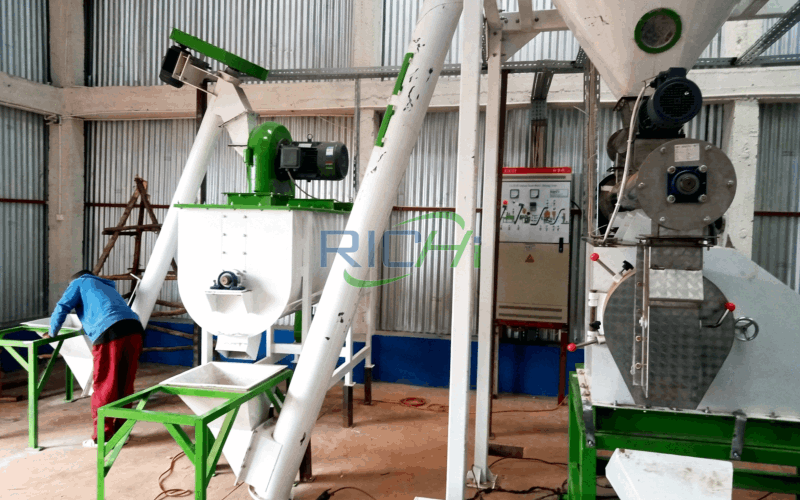
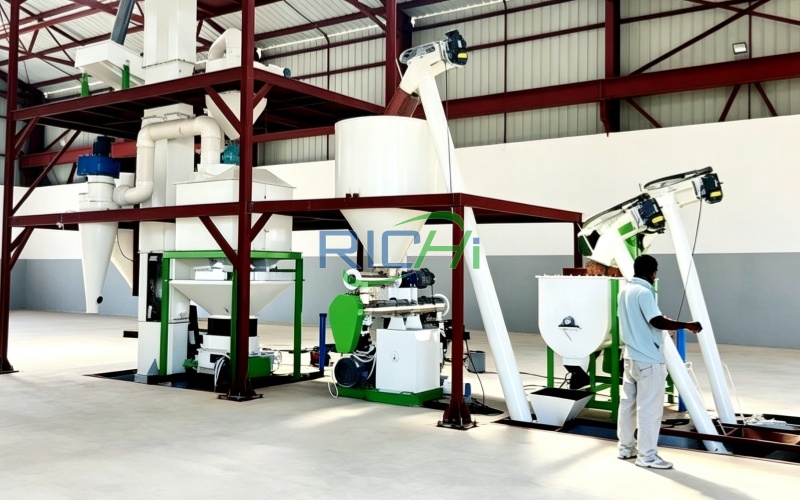
Many customers aren’t sure how to set up their production lines to best fit their site, or how to get the most out of their chicken feed making machine. At RICHI, we aim to help our customers succeed in their production operations. We provide practical layout and production solutions, and we’ve built up a strong portfolio of customer cases over 30 years.
How to Produce Chicken Feed Pellets
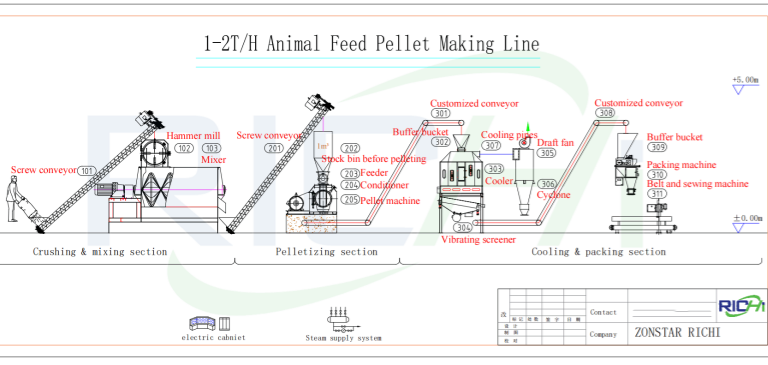
The image below shows a 1‑2 ton/hour chicken feed pellet production line purchased by a client in Burundi. They use it to produce high‑quality, palatable chicken feed. Let’s walk through each stage of the process.
01.
Crushing
When materials like corn and soybean meal enter the line, they are first transported into the grinding equipment. At this early stage, we turn them into fine powder. The fineness of the grind affects how well the materials mix later, and it also influences pellet formation. The right pellet size also determines the final pellet hardness and how well chickens digest and absorb the nutrients.
02.
Mixing
The ground materials then need to be blended according to the formula ratios. This step is like creating a “nutritional balance” – we thoroughly mix corn, soybean meal, premix, minerals, vitamins, and other ingredients in the mixer. The goal is to reach a high level of uniformity in a short time, so every batch of feed has the same nutritional composition.
03.
Pelleting
Now we come to the critical step in making high‑quality chicken feed pellets. The mixed powder goes through conditioning first – high‑temperature steam comes into full contact with the material, which cooks, gelatinizes, and sterilizes it. This makes the material soft and cohesive. Then, under the pressure of the rollers and ring die, it is forced through the die holes and comes out as smooth, cylindrical pellets.
04.
Cooling
After pelleting, the pellets need to be cooled right away. That’s because they come out hot, with high moisture content and a soft texture – not suitable for storage or transport. The cooling process uses counter‑flow cold air to remove surface heat and moisture. Once cooled, the pellets become hard and less likely to break.
05.
Screening
After rapid cooling, some powder and broken pellets may still be mixed in with the pellets. To ensure a good appearance, we run them through a screening step. This separates the whole, qualified pellets from the fines. Only the good pellets move on to the next stage – which ensures a consistent look for the finished product.
06.
Packaging
Finally, the screened pellets go to the packaging stage. An automatic weighing system weighs and fills the pellets according to the set weight per bag. The whole process is fast and accurate, which helps reduce errors that can happen with manual handling.
Auxiliary Equipment in Chicken Feed Pellet Production Line
As you can see from the process steps above, making high‑quality chicken feed pellets requires more than just the chicken feed pellet mill itself. A number of other auxiliary machines are also involved – and they indirectly affect the final pellet quality. If any of these individual units catch your interest, feel free to reach out to us.
Chicken Feed Raw Material Grinder
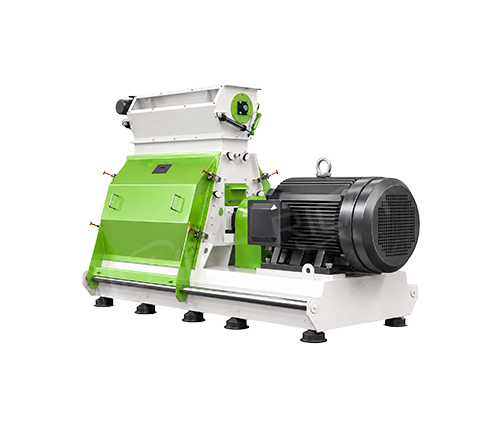
The grinder uses a multi‑blade rotor or hammer structure to crush corn, soybean meal, and similar materials into a fine, even powder. You can adjust the fineness by changing the screen size. This gives you a good powder base for the mixing and pelleting stages.
Chicken Feed Ingredient Mixing Machine
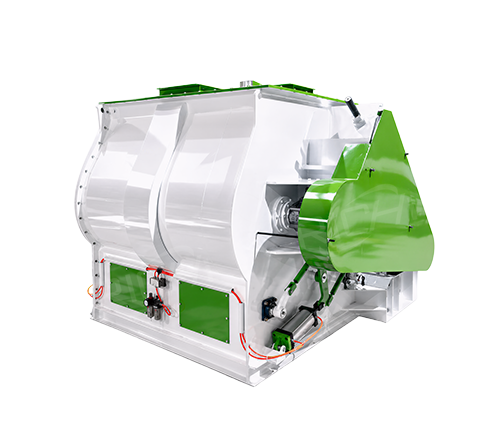
The mixer uses twin‑shaft paddles or ribbon agitators to blend all ingredients evenly in a short time. The coefficient of variation (CV) stays within 5% – so every batch has consistent nutrition.
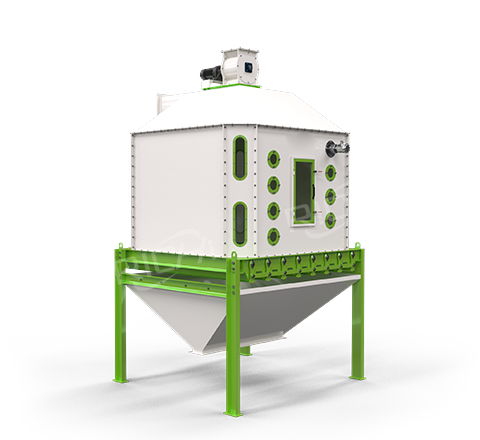
Cooling Machine
The cooling machine uses counter‑flow or parallel‑flow air to remove heat and extra moisture from the pellets. It brings the pellet temperature down to room level and hardens the surface, which improves hardness and durability.
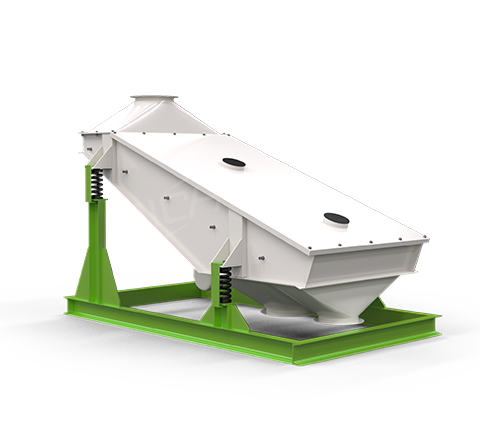
Vibrating Screen
This machine uses high‑frequency, low‑amplitude vibration across multiple screen layers. It separates whole, qualified pellets from fines and dust, so only the good ones move forward – giving the final product a clean, uniform appearance.
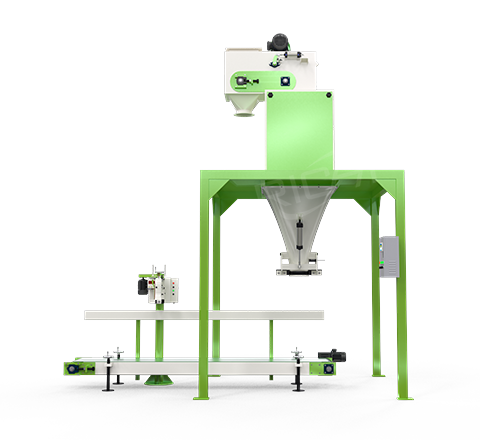
Weighing and Packaging Machine
This unit combines automatic feeding, weighing, filling, and sealing. You can set the weight per bag from 10kg to 50kg, and the error stays within ±0.2%.
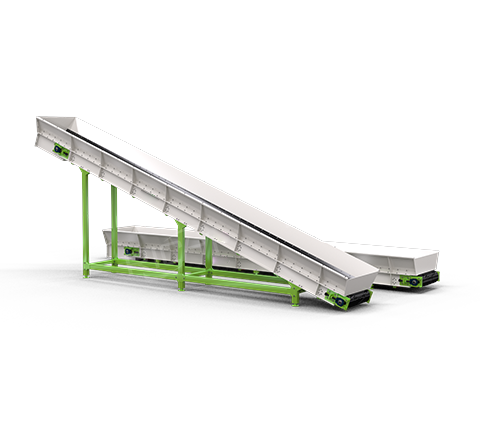
Conveyor Belt
The conveyor belt links the grinding, mixing, pelleting, and cooling stages. It keeps materials moving smoothly between sections, so the whole line runs continuously and automatically.
Why Choose RICHI Chicken Feed Pellet Mill
Every buyer wants a machine that delivers both quality and value. RICHI chicken feed pellet mills offer a range of advantages that give you a real productivity boost. That’s why we’re confident you’ll choose us.
As shown in the specs above, this chicken feed production machine can produce pellets from 2mm to 12mm in diameter. Different sizes suit different growth stages – from chicks to growers to broilers – so the feed always matches their needs.
Wide Application Range
How long a chicken feed pellet mill lasts depends heavily on the wear resistance of its key parts. To improve that, we use forged paddles inside the conditioner and build the main body from 304 stainless steel. That gives it strong resistance to corrosion, rust, and wear – so it stays in good shape even in humid, dusty environments.
Long Service Life
To get better quality and palatability, we’ve fine‑tuned the conditioner design. Its pipe diameter and overall length are larger than many competing models – that helps the feed cook, gelatinize, and sterilize more thoroughly. The pellets come out with a smooth surface and low fines content, so they hold up well during transport and storage.
High Pellet Quality

What RICHI Offers
We provide a full‑service system that covers everything from pre‑sales to after‑sales – so every step is simple and reliable. Our goal is to make sure you get the chicken feed pellet mill that fits your needs at the best value.
Project Experience
30+
Years

Countries and Regions Served
140+

Projects Delivered
2000+

Factory Area
100,000+
㎡

About Us
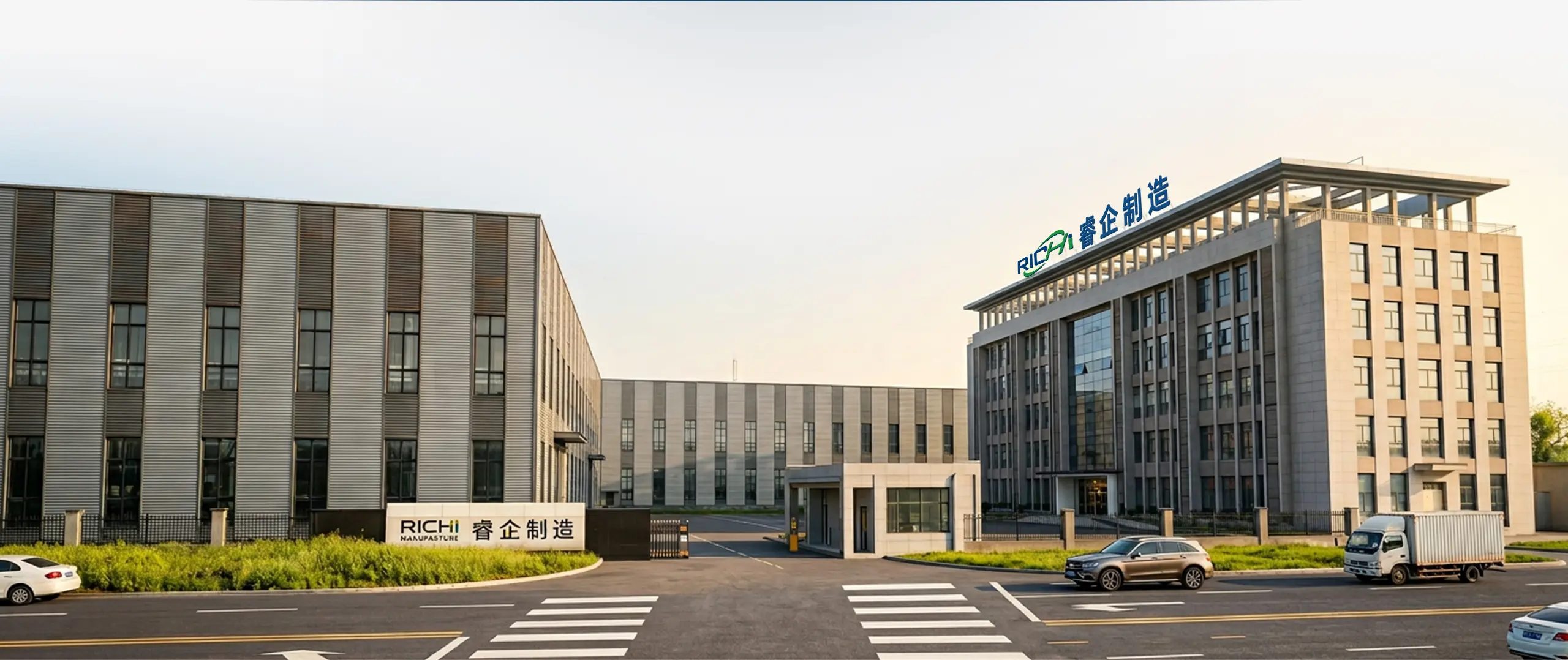
Henan RICHI Machinery Co., Ltd., established in 1995, primarily focuses on the research and development and manufacturing of feed machinery, biomass pelleting equipment, organic fertilizer pelleting equipment, and complete pelleting production lines. After more than 30 years of development, RICHI has become a professional pelleting machinery manufacturer. Our products are exported to over 140 countries and regions worldwide, earning the trust of customers both domestically and internationally.
Qualification Advantages
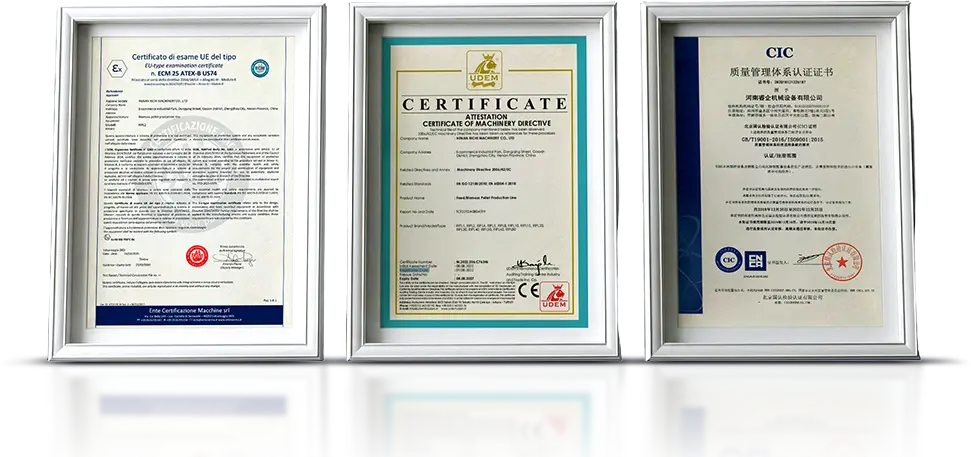
RICHI boasts numerous international authoritative certifications and patents, including ISO9001, CE, SGS, and TÜV. This means that the equipment you purchase can smoothly pass through customs and quality standards in various countries, with no customs clearance risks and compliant delivery. Choosing RICHI means choosing a guarantee of smooth global access and worry-free production.
FAQ
If you still have questions about our chicken feed pellet mill, take a look at the FAQs below. If your question isn’t covered here, feel free to reach out to us anytime.
What raw materials can this mill handle?
→
RICHI chicken feed pellet mills work well with most common and specialty ingredients – corn, wheat, soybean meal, wheat bran, rice bran, palm kernel meal, sunflower meal, corn stalk powder, and more. They’re especially well‑suited for processing agricultural by‑products found in regions like Africa, Southeast Asia, and Central Asia.
How do I know if I should buy a chicken feed pellet mill?
→
Price isn’t the only thing to consider. You should also check these key points:
- Ring die material and precision – it needs strong wear resistance to extend the machine’s life and ensure good pellet quality.
- Conditioner design – this is a critical part that affects cooking performance and output.
- Main bearing and gearbox brand – these determine the chicken feed pellet mill’s stability and durability.
Beyond that, we recommend looking at real customer cases or visiting a factory. RICHI offers plant visits and material test runs. Just contact us for more details and we’ll help you make a well‑rounded decision.
Where does the steam for the conditioner come from?
→
Steam is essential in the pelleting process. It raises the material’s moisture and temperature, helps gelatinize and cook the starch, and improves the final feed’s palatability.
Steam usually comes from an electric steam generator or a small boiler. You can choose the right capacity based on your production needs – typically, 50‑80 kg of steam per ton of mash feed. If you have questions about steam injection or any other part of the process, just get in touch with us.
What’s the price of the chicken feed pellet mill?
→
Prices vary depending on the model, capacity, and configuration, generally ranging from $7,000 to $100,000. Contact us with your target capacity, raw materials, and any other requirements – we’ll recommend the right chicken feed pellet mill and give you an up‑to‑date quote.
Which is better – pelleted feed or mash?
→
We generally recommend pelleted feed. Here’s why:
- Pellets go through conditioning and high‑temperature processing, which gelatinizes and cooks the starch – making them more palatable.
- The conditioning process also kills off many parasite eggs and harmful microbes, which lowers the risk of digestive issues in chickens.
- Pellets are easier to store and transport.
Of course, if you don’t need high‑quality pellets and just want to produce mash, we can customize a solution for you too. RICHI offers machines for both types of feed.

