floating fish feed extruder machine


Introduction
What is a Floating Fish Feed Extruder
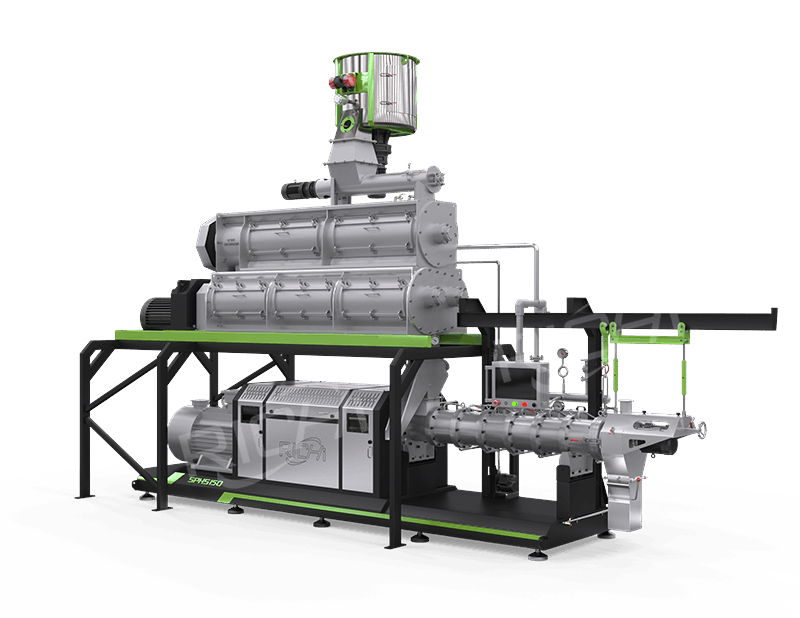
Capacity: 0.5-12 T/H
The RICHI extruder machine for fish feed is a key piece of gear for making feed for all sorts of fish. It uses an extrusion process to turn raw materials into pellets that are uniform, well-cooked, and nutrient-rich—pretty much covering the feed needs of any freshwater or marine fish you’re raising.
Our floating fish feed extruder machine mainly use a twin-screw extrusion process, which adapts well to different types of ingredients. The pellets float great—over 12 hours, no problem. Plus, you can choose between wet or dry processing, depending on what works for you. We’ve got you covered.
Need something? Just reach out. RICHI will give you the best service—model selection, configuration, complete line solutions, all in one go.
Floating Fish Feed Extruder Machine Videos
If you find the dry text and data difficult to understand, don’t worry. The following two videos demonstrate the operation of the RICHI floating fish feed extruder machine in different countries, helping you to understand our products more directly.
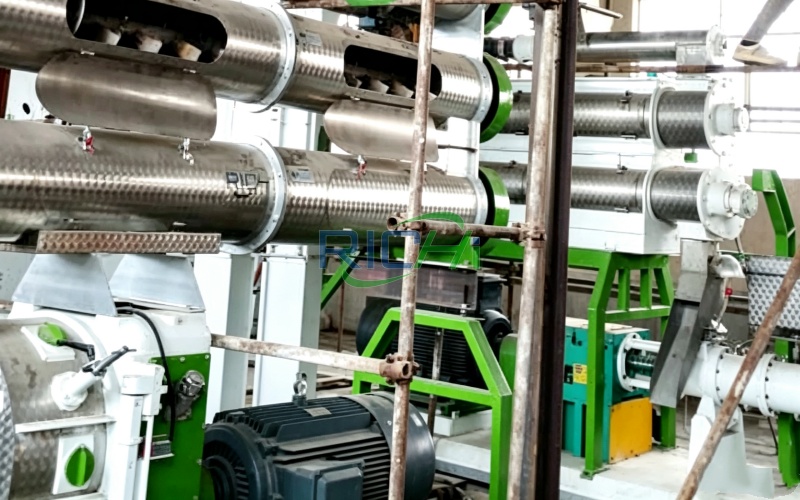
1.5-2 T/H Floating Fish Feed Extruder Machine in Iran

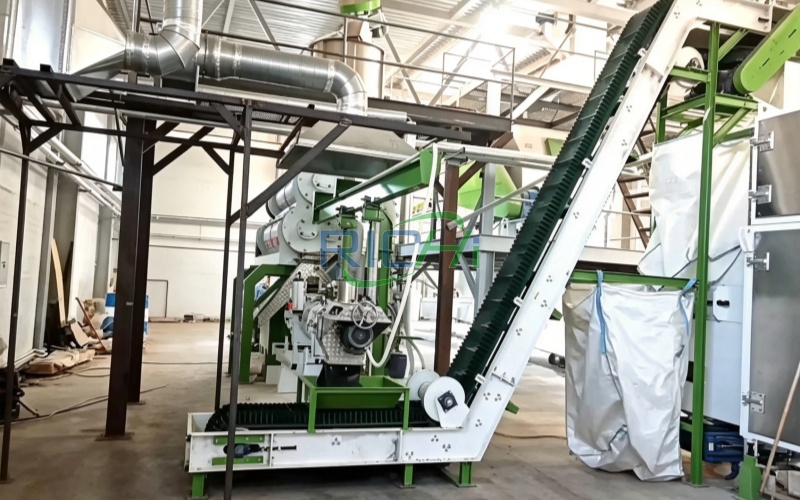
1.5-2 T/H Floating Fish Feed Extruder Machine in Russia
Floating Fish Feed Extruder Components
So what makes the floating fish feed extruder machine so powerful? Let me walk you through its core design.
Feeder and Arch-Breaking Device
This setup has a variable-frequency feeder and an arch-breaking device. Their job is simple: make sure the raw material flows in smoothly, so high-moisture or high-fat stuff doesn’t clog the inlet.
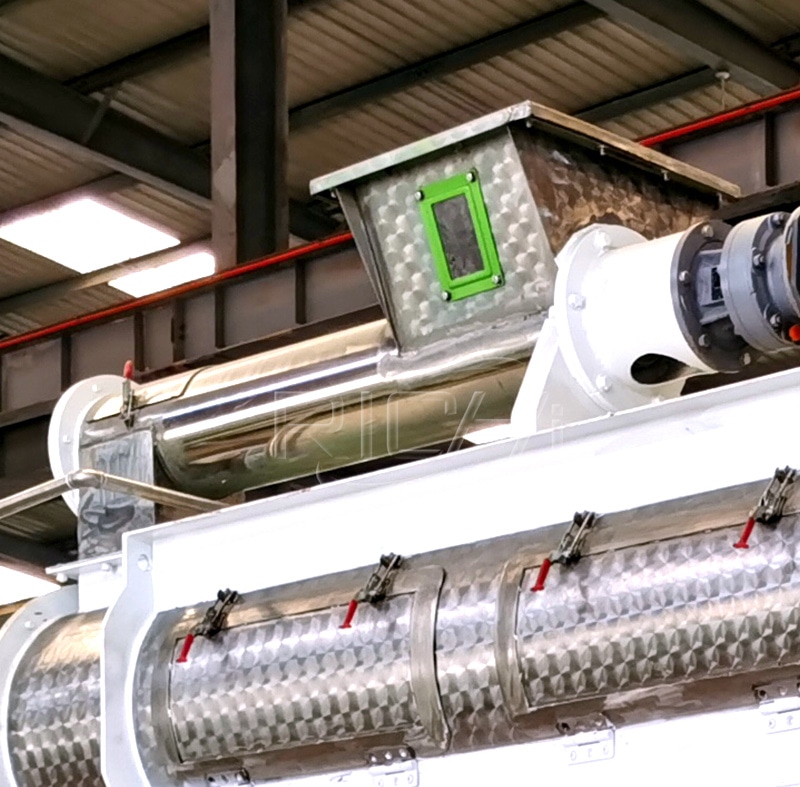
Conditioner
Going with dry processing? You can skip this step. But if you’re using the wet process, conditioning is a big deal. It includes a conditioner, steam, and moisture controls. The main job? Heat up and steam-cook the pre-ground, pre-mixed ingredients—get them gelatinized. That sets the stage for extrusion and helps ensure uniform quality in the final product.
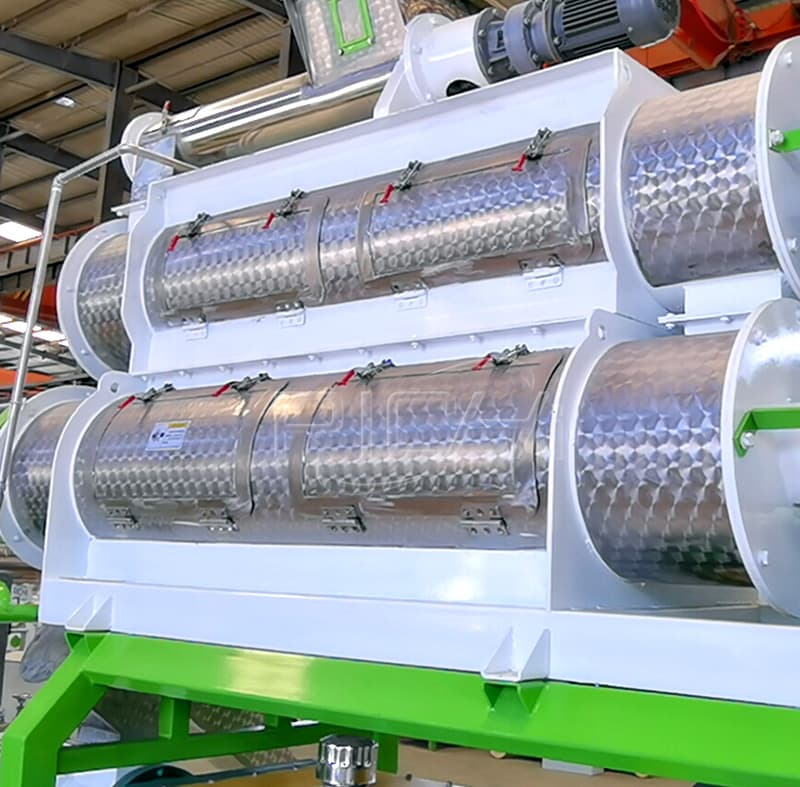
Expansion Chamber
This is the heart of the floating fish feed extruder machine. All your aquatic feed passes through here. Inside the chamber, we’ve got a fully intermeshing, zero-clearance twin-screw setup, plus a bimetallic liner. That lets you control the shear force during expansion, and also tweak cooking time and how much the material expands.
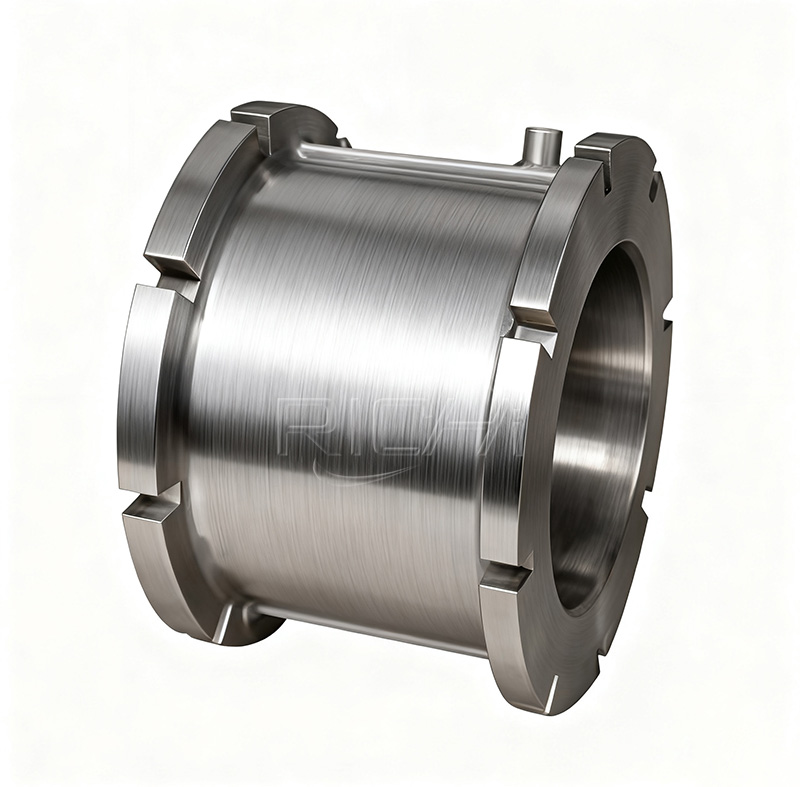
Transmission and Drive System
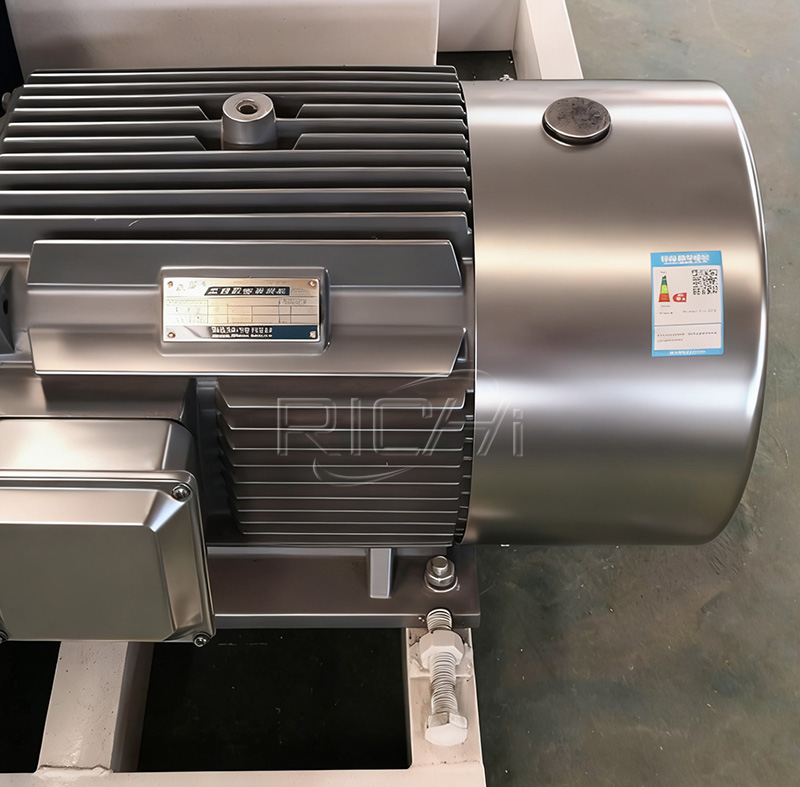
This is where the power comes from. A variable-frequency drive on the main unit, together with bearings and a gearbox, lets you adjust the twin-screw speed flexibly—so you can meet the process requirements for floating feed production.
Cutting Blades
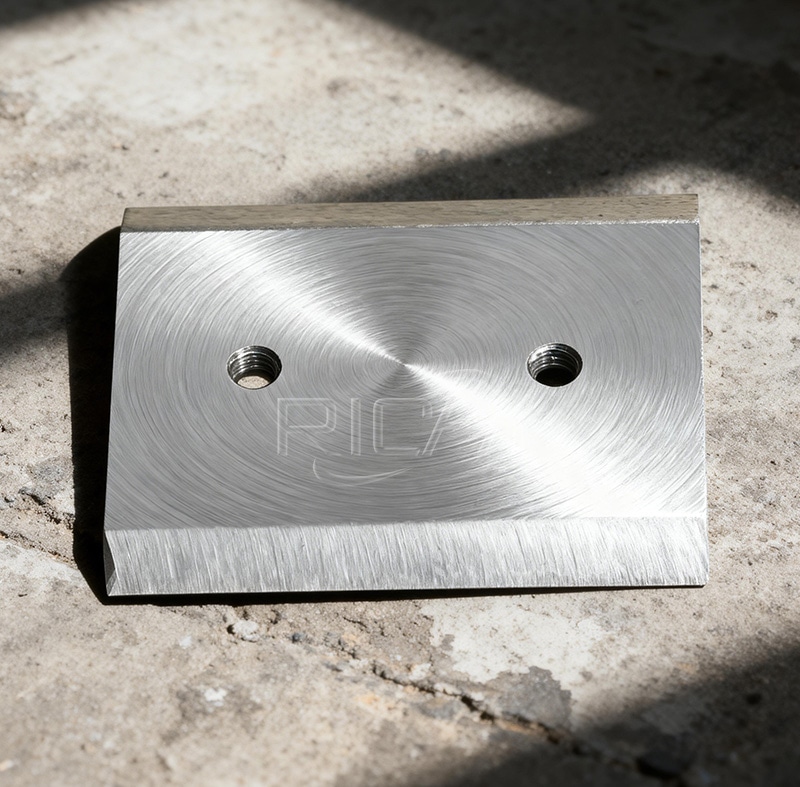
After expansion, the feed gets extruded through a die. Our die diameters range from 0.6 mm to 20 mm—so whatever size you need, we’ve got it. The cutting system uses high-quality spring steel blades with a movable blade holder. The cutter is controlled by a variable-frequency motor, so it cuts precisely and gives you uniform pellet lengths.

Floating Fish Feed Extruder Machine Parameters
Not sure which model of fish feed extruder fits your needs? Then just contact us—you’ve come to the right place. We’ll provide the fish feed extruder machine price along with model recommendations.
| Model | SPHS75x2 | SPHS120*2 | SPHS150*2 | SPHS185*2 | |
| Main Motor Power(kw) | 55 | 90 | 110 | 200 | 355 |
| Screw Diameter(mm) | 75 | 120 | 120 | 150 | 185 |
| Feeder Power(kw) | 1.5 | 1.5 | 1.5 | 1.5 | 2.2 |
| Conditioner Power(kw) | 7.5 | 11 | 11 | 11 | 11 |
| Conditioner Spec | DC400-244 | DC500-244 | DC500-244 | DC600-300 | DC600-300 |
| Differential Conditioner Power(kw) | 11 | 11 | 11 | 15 | 15 |
| Differential Conditioner Spec | DC400*300-244 | DC500*400-300 | DC500*400-300 | DC600*500-300 | DC600*500-300 |
| Output(T/H) | 0.5-1.0 | 1.5-2.0 | 3.0-4.0 | 5.0-6.0 | 10-12 |
All the output numbers here are rated capacities with a complete feed production line. In real life, actual output can vary depending on different factors—so always go by your on-site conditions.
Floating Fish Feed Extruder Machine Cases
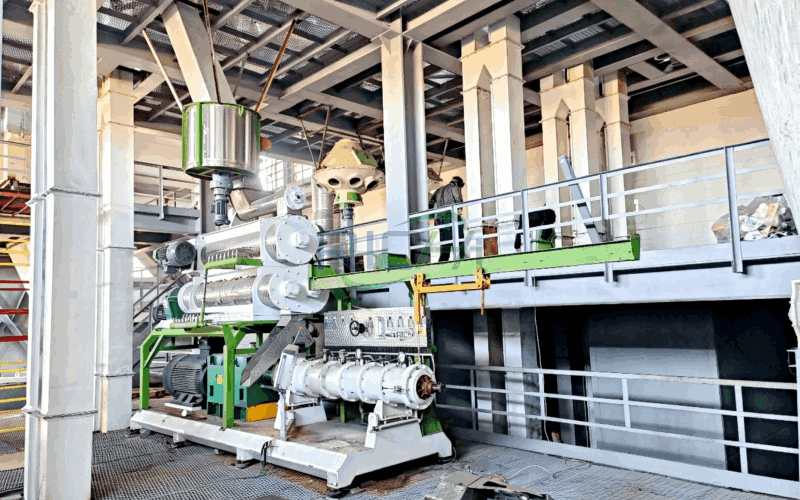
RICHI floating fish feed extruder machines are super popular in 127 countries around the world. Got questions? Take a look at these customer stories—they might give you some useful pointers and help you avoid common pitfalls.

.png)
.png)
Floating Fish Feed Extruder Advantages
The floating fish feed extruder machine makes pellets through an extrusion process, and honestly, it’s got some real advantages over regular pelletizers.
Our floating fish feed extruder machines mainly use a twin-screw design. The screws are made of 38CrMoAl nitrided steel, quenched to a hardness of 58–62 HRC. Compared to regular No. 45 steel, they last 2 to 3 times longer. And the bearings? They’re from top brands like FAG and SKF. So even under heavy, continuous production, the floating fish feed extruder machine stays rock solid.
Extended Service Life – Less Downtime Risk
Whether you normally use conventional ingredients like corn and fish meal, or unconventional ones like fermented soybean meal and algal powder, our floating fish feed extruder machine can extrude it all. Why? Because the twin-screw design is fully intermeshing with zero clearance. When the screws spin in the same direction, they form a closed C-shaped chamber that creates steady shear force, pushing the material forward powerfully. Compared to single-screw designs, this one resists sticking and slipping way better. The pelletizing process runs super smooth.
Highly Adaptable – No Need to Constantly Change Configurations
The die can go as small as 0.6 mm. That gives you small-diameter feed that’s still structurally sound and looks good. Then, with high-temp, high-pressure conditioning and instant pressure release, the pellets develop a porous internal structure—so they float for a long time. Compared to single-screw machines, RICHI’s twin-screw extruder boosts feed digestibility for fish by 3% to 5%.
High-Quality Pellets
Application Range of Floating Fish Feed Extruder Machine
We offer a variety of floating fish feeders with capacities ranging from 0.5-12 T/H, suitable for manufacturers of all sizes. Not sure which one you need? No worries—RICHI machinery can give you a general recommendation.
Livestock Farming for Personal use/Small-Batch Customization
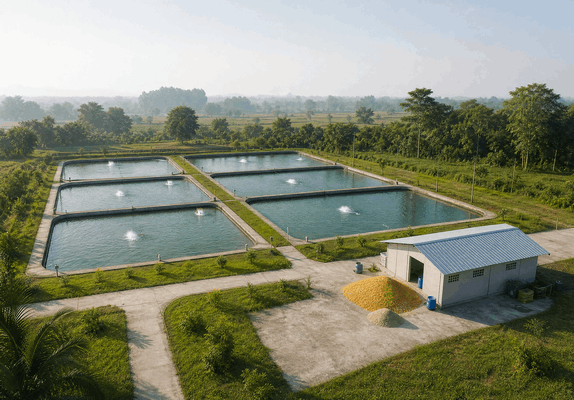
Suitable for small-scale fish farms to produce their own feed, its advantage lies in its ability to flexibly produce small batches and multiple varieties.
Applicable Fish Species: Fish fry, Shrimp Fry, Ornamental Fish, etc.
Advantages: Compact equipment size, space-saving, low power consumption, minimal plant requirements, simple operation and maintenance, effectively helping fish farmers reduce feed costs.
Corresponding Model: SPHS75×2 twin-screw extruder

Medium-Scale Commercial Feed Production
Suitable for small and medium-sized feed mills for mass production of floating fish feed.
Applicable Fish Species: Various Freshwater Fish
Advantages: Excellent conditioning effect, produces pellets that are resistant to soaking and do not easily break apart, stable even with high-oil aquatic feed formulations, no machine clogging or backflow during production, high cost-effectiveness.
Corresponding Model:
SPHS120×2 twin-screw extruder

Large-Scale Industrial Production
Suitable for medium to large-scale feed enterprises, large-scale production bases, and production lines producing export feed.
Applicable Fish Species: Bass, Large Yellow Croaker, Tilapia, Basa Fish, etc.
Advantages: Easily adapts to complex formulas with high protein and high fiber content, excellent cooking effect, robust and durable equipment, stable and uniform output, can be integrated with fully automated production lines to meet the needs of large-scale, high-standard industrial production.
Corresponding Model: SPHS150×2 twin-screw extruder
SPHS185×2 twin-screw extruder

Pelletizing Process of Floating Fish Feed
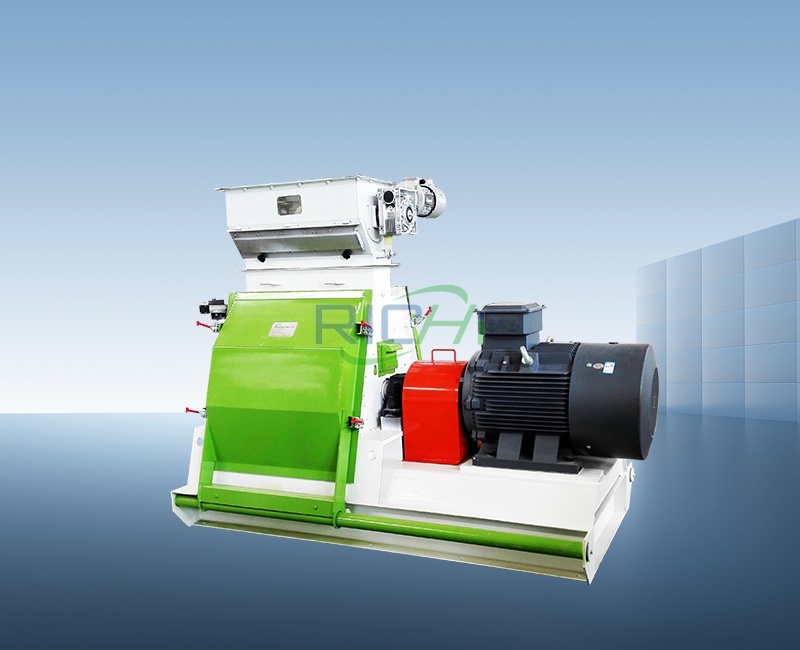
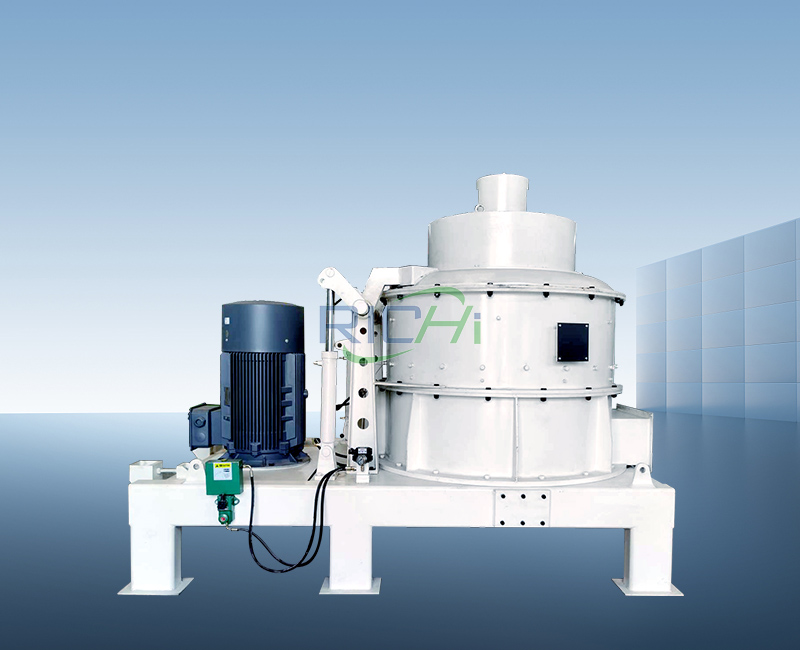
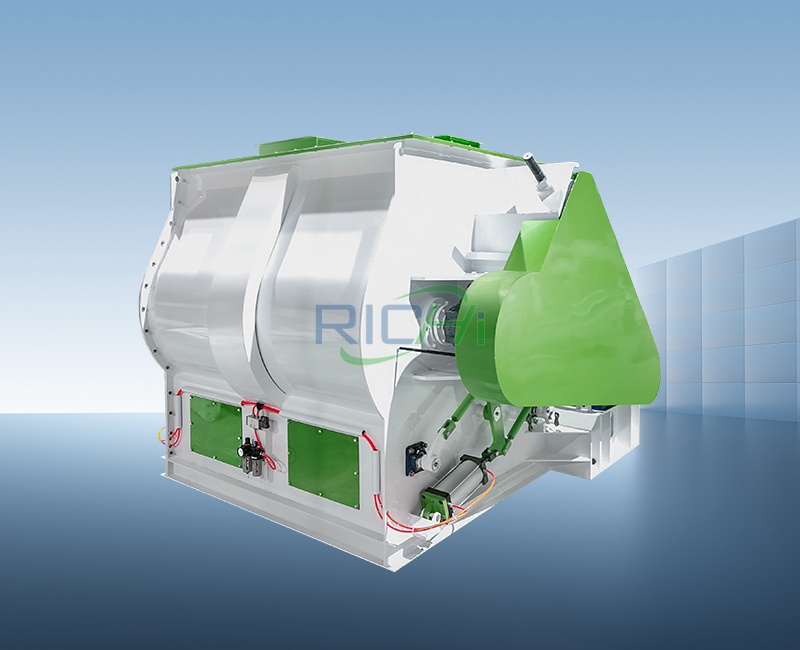
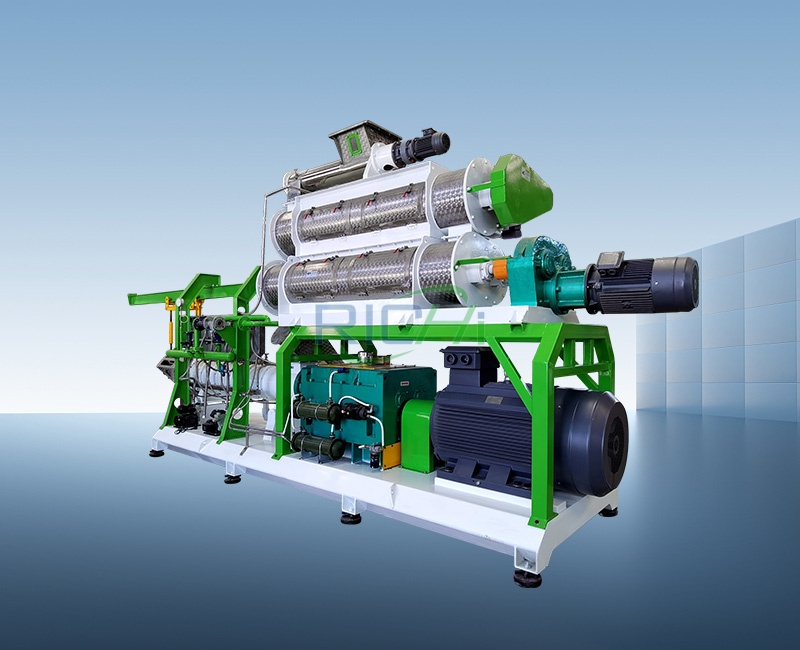
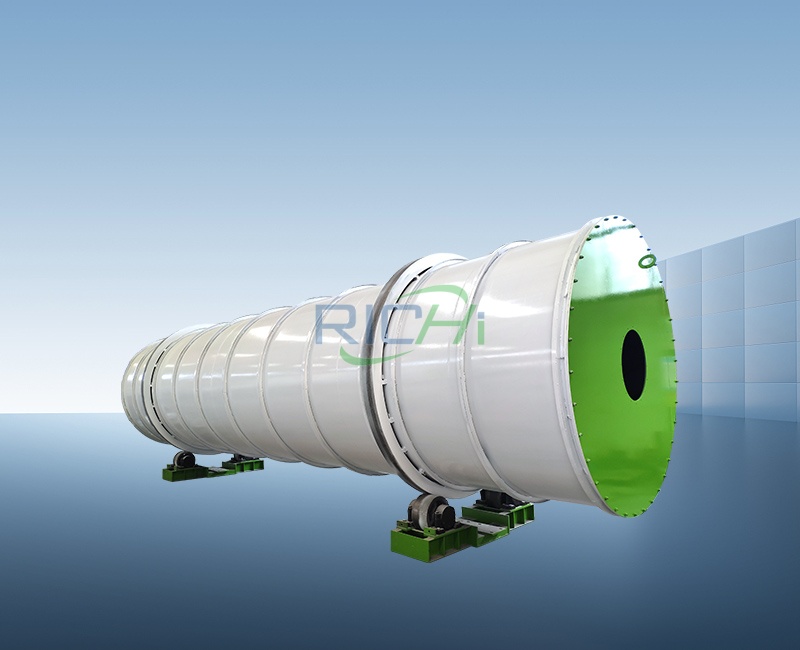
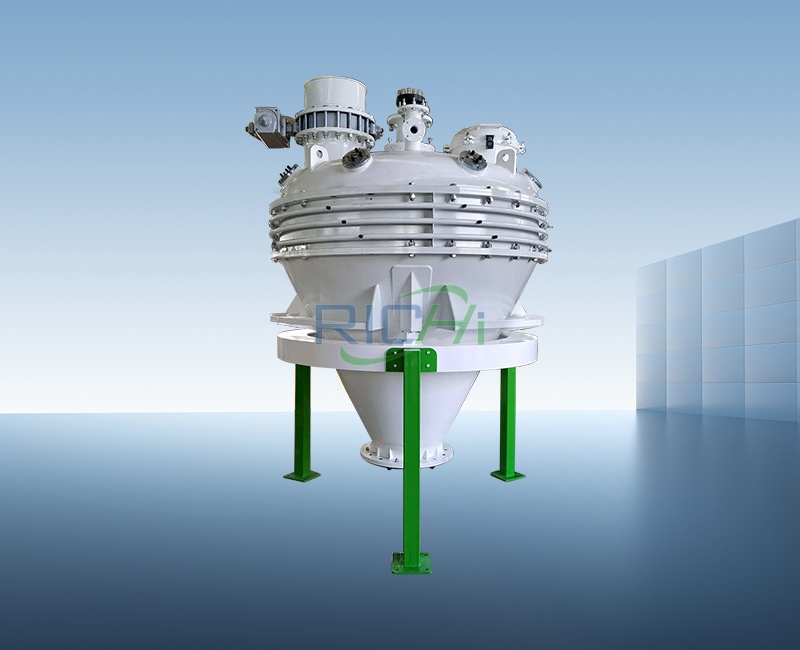
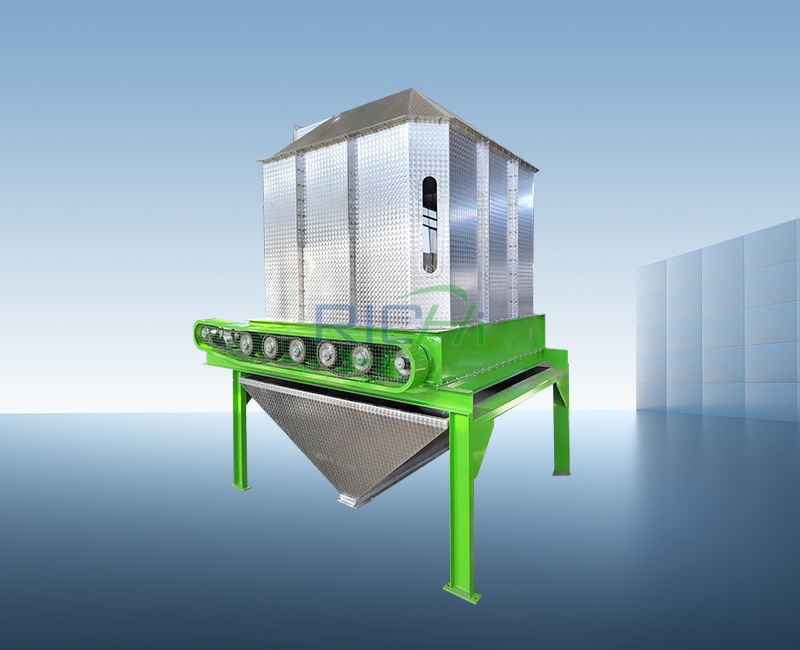
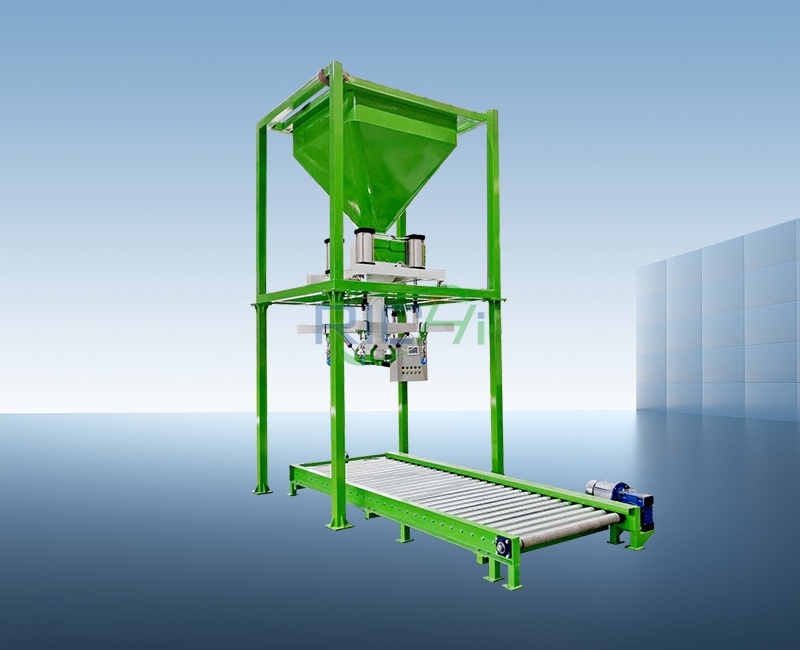
From raw material to finished product, a full floating fish feed line goes through seven key steps. The extrusion and expansion function of the floating fish feed extruder machine is really just the core of the pelletizing stage. RICHI doesn’t just sell you the machine—we can set up the whole pellet production line for you.
FAQ
If you have other questions, feel free to reach out anytime.
What raw materials can this floating fish feed extruder machine process?
→
Common floating fish feed ingredients include corn flour, wheat flour, wheat middlings, fish meal, soybean meal, meat and bone meal, yeast powder, soybean oil, fish oil—stuff like that. All of these can be processed into finished pellets with our extruder.
What is the difference between floating fish feed and sinking fish feed? Which one should I choose?
→
They differ in pellet size and water stability.
Floating feed is less dense than water, so it stays on the surface for a long time. That’s great for fish that feed in the upper water column—tilapia, grass carp, common carp—because you can watch them eat and reduce waste. Sinking feed is denser and drops quickly to the bottom. That’s better for bottom-dwellers like shrimp, crabs, and loaches.
Which one to choose? Depends on what you’re raising. If you’re farming both types, our equipment can switch modes—it can make both floating and sinking feed with just a few parameter adjustments. Contact us for details.
Can I control how long the floating feed stays afloat? Can I get 24 hours?
→
Yes, but within a range. You can adjust screw speed, chamber temperature, and moisture to change the expansion level—and that changes floating time. Generally, you can get anywhere from 1 to 12 hours. Theoretically, over 24 hours is possible, but too much expansion makes pellets brittle and prone to breaking. That hurts transport and how well fish eat them. We think 2 to 6 hours is plenty—longer doesn’t add much value. But if you have special needs, we can definitely customize it for you.
Can you process unconventional raw materials? Will that hurt the floating effect?
→
Yes, we can. Ingredients like fermented soybean meal and algal meal have different fiber, oil, and protein structures. Standard equipment definitely struggles with expansion. But our twin-screw design is highly adaptable—it can increase temperature and shear force during processing to get effective expansion. And with 30 years of experience, we’re happy to give you advice based on your specific formula. Just contact us.
How do I decide between dry process and wet process?
→
Look at your output, raw materials, product requirements, and on-site conditions.
Generally: under 1 ton per hour, dry process is more cost-effective. Above 1 ton, wet process gives you lower overall costs.
If your main ingredients are starches like corn or wheat, dry process works fine. But if you’re using a lot of miscellaneous meals or unconventional materials, wet process cooks the feed more thoroughly.
For farming: general farming can use dry process. If you need premium, high-quality feed, go with wet process—it gives you smoother pellets.
Still not sure? Contact us with your formula and target capacity. We’ll evaluate it for you.
What if the machine breaks down or a part gets damaged?
→
We’ve got 24/7 online after-sales support. For minor issues, contact us and we’ll do remote video guidance. For complex problems, we’ll have a professional technician get in touch.
The warranty is 12 months. If any structural or transmission part fails due to non-human factors within that period, we’ll repair it for free.

RICHI Service Process
We don’t just sell you products and equipment. More importantly, we offer end-to-end service—from model selection to delivery and on-site installation, we take care of it all.
Project Experience
30+
Years

Countries and Regions Served
140+

Projects Delivered
2000+

Factory Area
100,000+
㎡

About Us
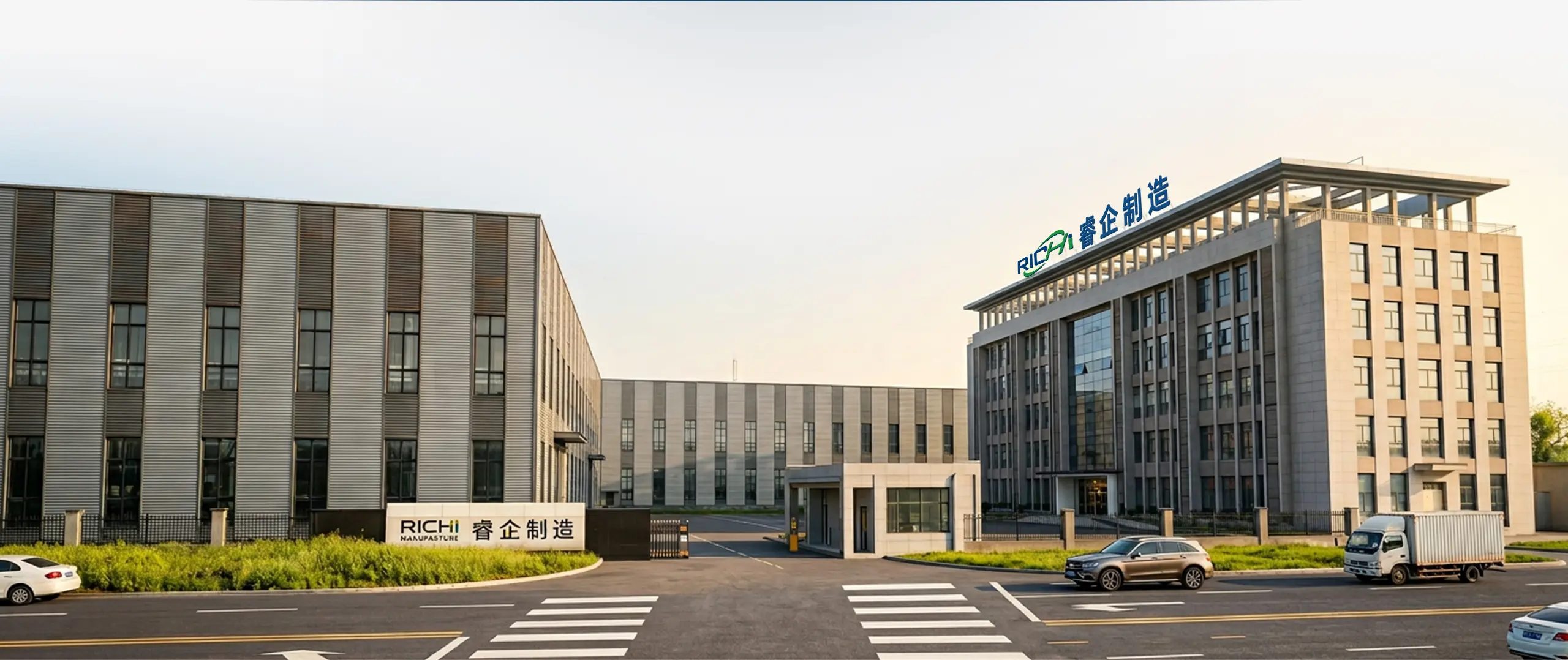
Henan RICHI Machinery Equipment Co., Ltd., established in 1995, primarily focuses on the research and development and manufacturing of feed machinery, biomass pelleting equipment, organic fertilizer pelleting equipment, and complete pelleting production lines. After more than 30 years of development, RICHI has become a professional pelleting machinery manufacturer. Our products are exported to over 140 countries and regions worldwide, earning the trust of customers both domestically and internationally.
Qualification Advantages
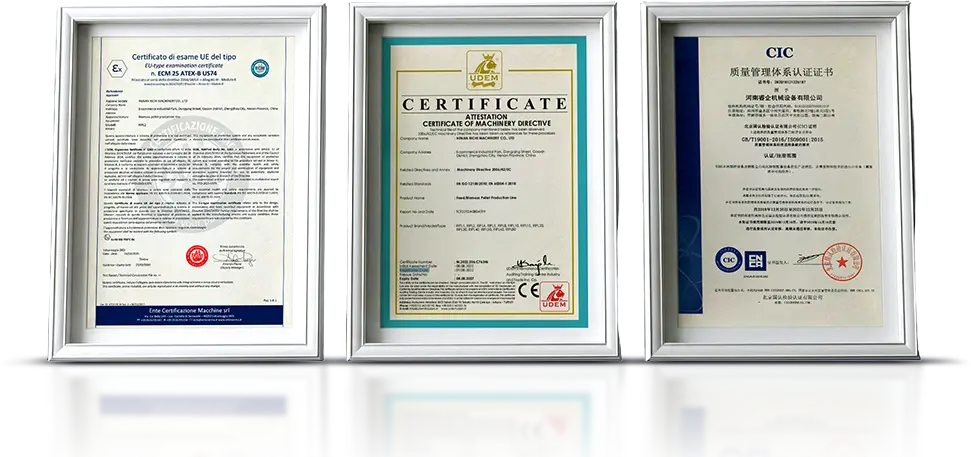
RICHI boasts numerous international authoritative certifications and patents, including ISO9001, CE, SGS, and TÜV. This means that the equipment you purchase can smoothly pass through customs and quality standards in various countries, with no customs clearance risks and compliant delivery. Choosing RICHI means choosing a guarantee of smooth global access and worry-free production.