Poultry Manure Pellet Machine

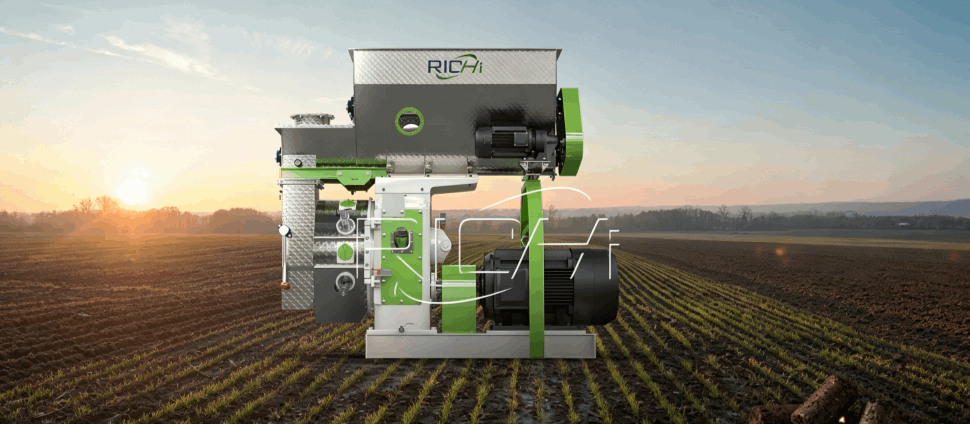
What is a Poultry Manure Pellet Machine
A poultry manure pellet machine is a key piece of equipment commonly used in organic fertilizer production lines. Its main job is to take fermented poultry manure – with optional additives like straw or rice straw – and press it through ring dies and rollers into hard, cylindrical fertilizer pellets. These pellets are easy to store, transport, and apply directly to the soil.
RICHI has developed a series of poultry manure pellet machines designed specifically for the characteristics of poultry manure. They handle manure from chickens, ducks, geese, and other birds with ease, and are suitable for both on‑farm fertilizer use and commercial organic fertilizer production.
4-12mm
Pellet Diameter
1-26T/H
Production Capacity
Applicable Raw Materials
Chicken Manure

Duck Manure
Goose Manure
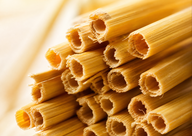
Straw

Wood Chips
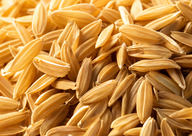
Rice Husk
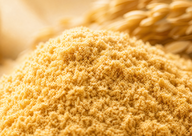
Rice Bran
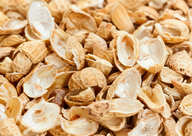
Peanut Shells
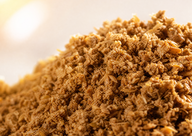
Distillers Grains
Application Scenarios
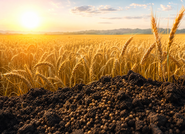
Agricultural Planting
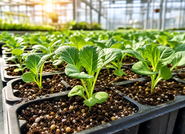
Horticultural Seedling Cultivation

landscaping
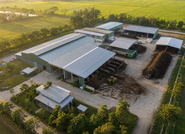
Organic Fertilizer Production
Sales Quantity
accumulated
1400+
units
Countries of Sale
- Southeast Asia
- Europe
- Africa
- South America
- South Asia
Poultry Manure Pellet Machine Structure
A poultry manure pellet machine is made up of several key components. Each part plays an important role, and together they ensure the machine runs steadily and efficiently.
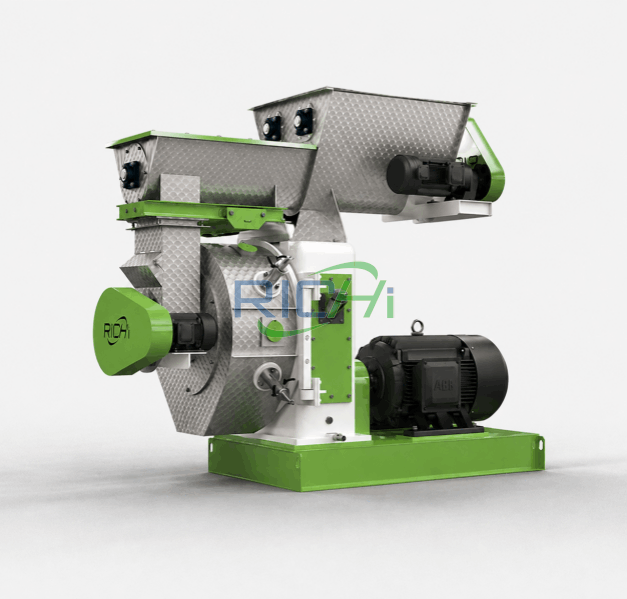
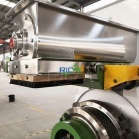
Feeding Inlet
This is where the material enters. It comes with an anti‑bridging device to keep the flow smooth and trouble‑free.
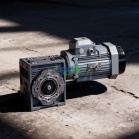
Forced Feeder
Driven by a motor, this provides an extra layer of protection for smooth feeding. It helps prevent the material from clogging up.
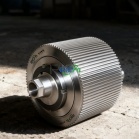
Pressure Roller
This is a biomass‑specific roller. It grips the manure firmly, so the material doesn’t slip during compression.
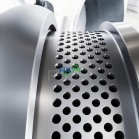
Ring Die
The ring die has many small holes of the same diameter. Working with the pressure roller, it pushes the material through these holes to form pellets.
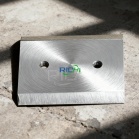
Cutter
The cutter slices the pellets. You can adjust the pellet length by changing the distance between the cutter and the ring die.
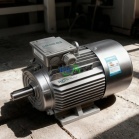
Motor
This is the power source of the whole machine. It delivers strong, steady power to keep the poultry manure pellet machine running without interruption.

Poultry Manure Pellet Machine Parameters
RICHI offers several models of poultry manure pellet machines, and each one has its own specifications. Not sure which one fits you best? Just contact us for free expert guidance. We’ll have our engineers recommend the most suitable model based on your raw materials, site conditions, and target capacity.
| Model | FZLH250 | FZLH320 | FZLH350 | FZLH420 | FZLH520 | FZLH678 | FZLH768 |
| Main Motor Power (kW) | 22 | 22 | 37 | 90 | 132 | 200 | 250 |
| Arch-Breaking Feeder Power (kW) | 2.2 | 2.2 | 2.2 | 3 | 3 | 3 | 4 |
| Forced Feeder Power (kW) | 0.75 | 0.75 | 0.75 | 1.5 | 1.5 | 1.5 | 1.5 |
| Ring Die Inner Diameter (mm) | 250 | 320 | 350 | 420 | 520 | 673 | 762 |
| Finished Pellet Diameter (mm) | 4-12 | ||||||
| Output (T/H) | 1-1.5 | 2-3 | 3-5 | 6-8 | 9-12 | 18-22 | 22-26 |
Explanation: The production figures mentioned above represent the rated output under a complete production line. The actual production volume, along with the handling of raw materials and moisture content, has a direct impact on the output.
Poultry Manure Pellet Machine Cases
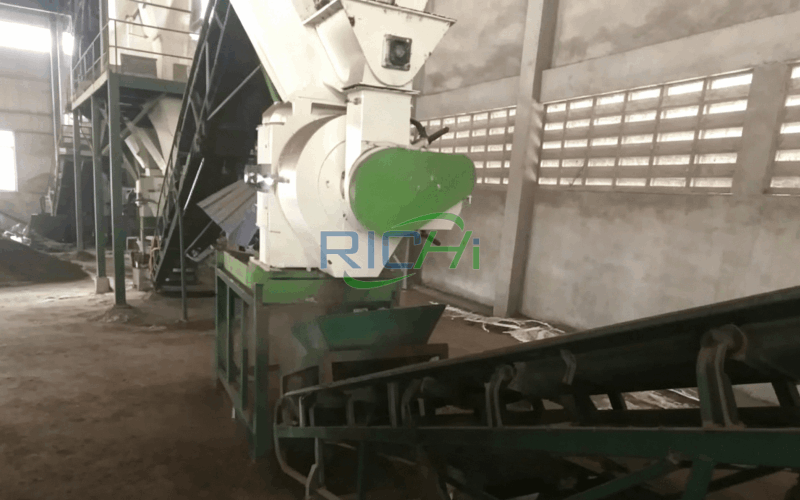
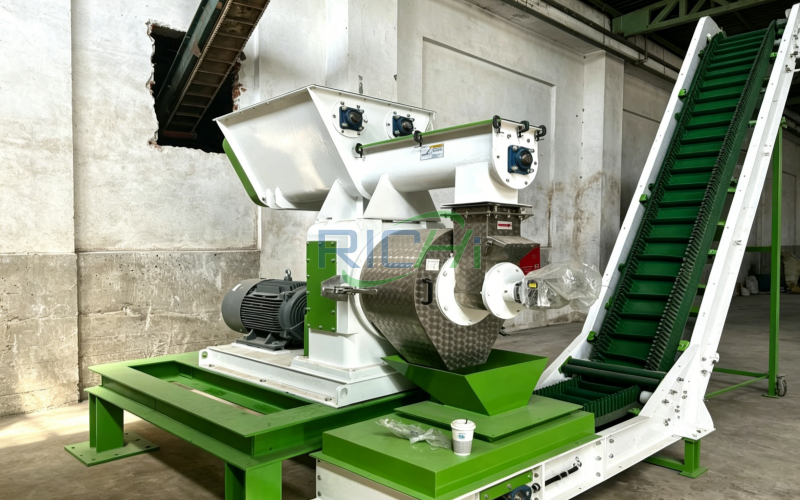
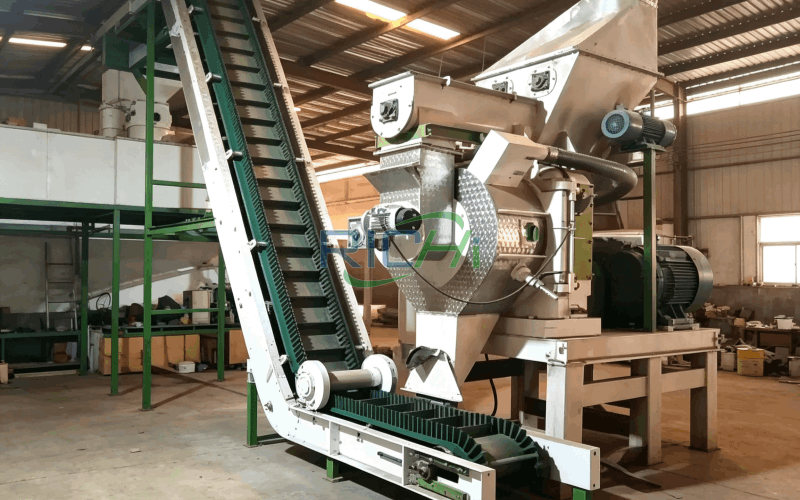
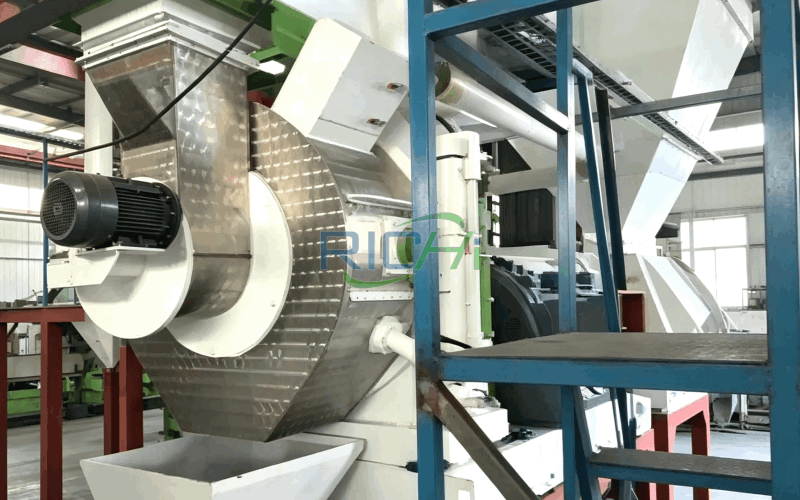
Below are a few real projects where RICHI poultry manure pellet machines have been used overseas. Each customer achieved good results with our machines. We hope these cases give you some useful reference when choosing your equipment.

How to Make Poultry Manure Pellets
Whether you’re processing chicken, duck, or other poultry manure, producing high‑quality poultry manure pellets requires a complete process. If you’re new to organic fertilizer pelleting, this overview will give you a good starting point.

01.
Fermentation
This step is the foundation of good poultry manure pellets. Mix fresh manure with straw or other bulking agents, adjust the carbon‑to‑nitrogen ratio and moisture to suitable levels, then add a composting inoculant. Once piled into windrows, the material heats up naturally. You’ll need to turn it regularly with a windrow turner to keep oxygen flowing – that’s what creates the right conditions for fermentation.
02.
Crushing
After fermentation, the material becomes looser, but it still contains lumps. These need to go through a crusher. We recommend using a crusher designed for high‑moisture materials, which breaks down the lumps into a fine, even powder. The finer you crush it, the better the results will be in the mixing and pelleting stages.
03.
Mixing
The crushed material now moves to mixing. You can add nutrients or functional microbial agents according to your formula, and the mixer blends everything thoroughly. This step may seem simple, but it directly affects how balanced the nutrients are in the final fertilizer pellets.
04.
Pelleting
This is the key step in the whole process. The mixed material is fed into a poultry manure pellet machine. Inside the pelleting chamber, the ring die and rollers apply strong pressure to push the material through the die holes, forming cylindrical strands. A cutter then slices them into uniform pellets.
05.
Drying
To keep the pellets for a longer time, you need to reduce their moisture content. This step removes excess water. Just be careful with the temperature – it should be high enough to evaporate moisture properly, but not so high that it causes nutrient loss.
06.
Cooling
After drying, the pellets still carry residual heat. If you bag them immediately, the trapped heat can create moisture and lead to mold. So you need a cooler – it uses moving cold air to bring the pellet temperature down quickly. Cooled pellets are more compact and stable, which makes storage and transport safer.
07.
Screening
Before packaging, it’s a good idea to run the pellets through a screener. This removes powder and broken pieces, leaving only uniform, plump pellets. The finished product looks better – and if you’re selling it, that really matters.
08.
Packaging
This is the final step. Once the pellets pass screening, they go to a weighing and packaging machine. You set the target weight per bag, and the machine fills and seals accordingly. After that, the pellets are ready for storage or direct shipment.
Auxiliary Equipment in Poultry Manure Pellet Production Line
The poultry manure pellet machine is the key machine in the production line. But it also needs other equipment to work together – that’s what keeps the whole line running smoothly and produces high‑quality poultry manure pellets.
Poultry Manure Turning Machine
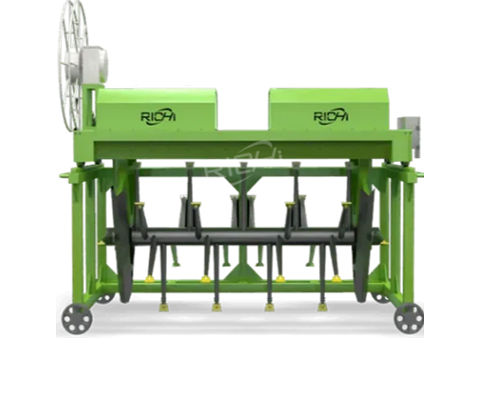
This is the core equipment for fermentation. It uses rotating blades to turn the piled manure, bringing oxygen into the material and helping it cool down. It can process hundreds of cubic meters per hour, keeping the pile at 60‑70°C for high‑temperature fermentation. That speeds up the decomposition process.
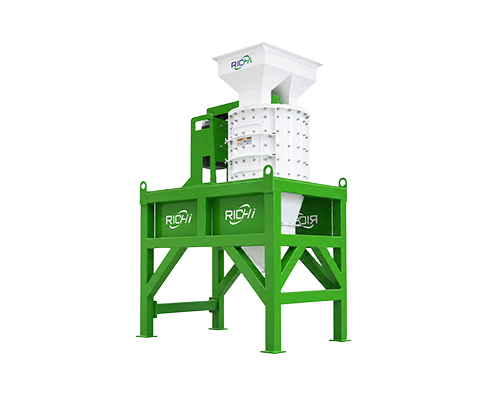
Poultry Manure Grinder Machine
This machine breaks up lumps of material using high‑speed rotating hammers that strike the material repeatedly. It can handle materials with moisture up to 55% and produces a fine output of under 3mm without clogging. That gives you a uniform, fine powder for the next stage.
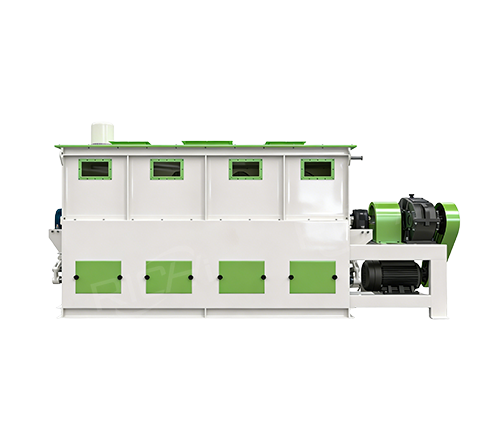
Poultry Manure Mixer Machine
The mixer uses a horizontal twin‑shaft design. Two counter‑rotating shafts with blades blend the material quickly and evenly. The coefficient of variation (CV) stays below 5%, so every pellet gets balanced nutrition.
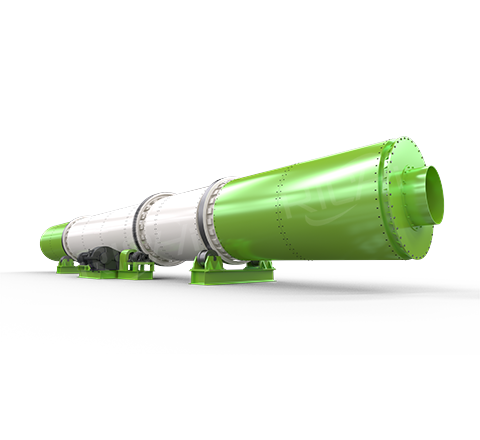
Poultry Manure Pellet Dryer
As the drum rotates, it lifts and scatters the organic fertilizer pellets, bringing them into full contact with hot air. It dries the pellets to about 13% moisture in a single pass. The drying process also helps kill off any remaining pathogens.

Poultry Manure Pellet Cooler
This equipment uses a counter‑flow cooling system. Cool air passes upward through the pellets, bringing their temperature down quickly to near room level. The pellets harden fast and become more compact.
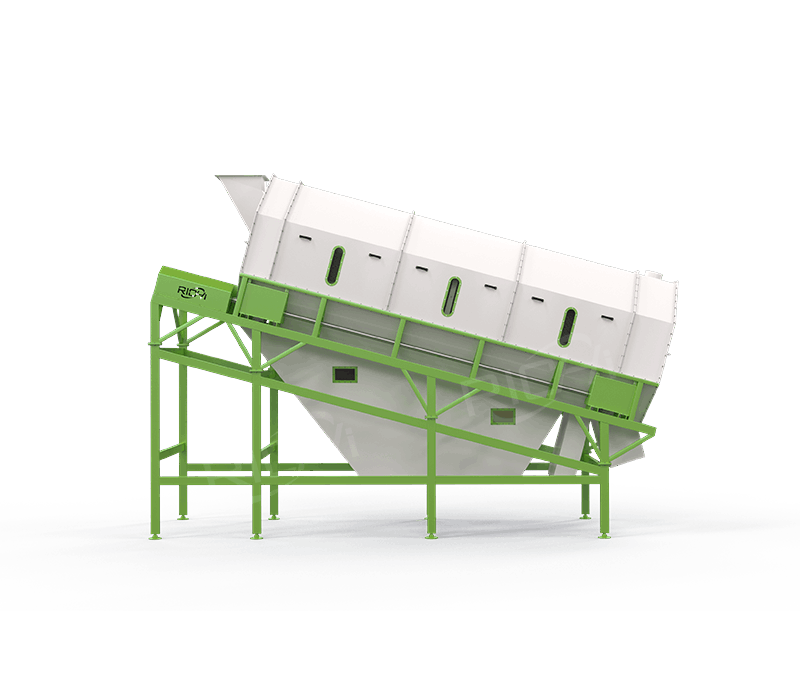
Poultry Manure Pellet Screener
This machine uses high‑frequency vibration to separate whole pellets from fine powder across multiple stainless steel screen layers. It achieves up to 99.5% separation accuracy. The screens are easy to change and come with an anti‑clogging device to reduce mesh blockages.
Poultry Manure Pellet Machine Advantages
RICHI poultry manure pellet machines are widely used for recycling poultry manure. They have been delivered to over 140 countries and regions and have earned a strong reputation. That’s largely due to the advantages listed below.
Processing sticky poultry manure requires equipment with strong resistance to corrosion and adhesion. Our poultry manure pellet machine uses a forged ring die made of 42CrMo alloy steel, with a carburized and hardened surface. Its hardness reaches HRC58‑62, making it more wear‑resistant than standard stainless steel. That extends the overall service life of the machine.
Long Service Life
This flexibility means you can process materials containing straw or sawdust, produce pellets from 4‑12mm, and adjust pellet density. That’s all thanks to smart design. Simply switch to a ring die with a different hole size and adjust the compression ratio between 1:10 and 1:18 – you’ll get the results you need.
Flexible Pelletizing
To protect the poultry manure pellet machine and reduce maintenance costs, we’ve built the pellet mill with a reinforced frame. That keeps it running smoothly with minimal vibration. If a blockage or overload occurs, the safety pin breaks and triggers a limit switch that stops the machine immediately. The ring die, rollers, and gearbox stay undamaged – which saves you a lot on repairs.
Safety and Reliability
FAQ
Here are common questions from customers – maybe you’ve got the same ones. Feel free to ask more.
Can poultry manure be directly pelleted using a pellet mill?
→
Absolutely not. Fresh poultry manure has a moisture content of approximately 70%-85%, contains many insect eggs and pathogens, and has poor viscosity. Direct pelleting will cause poultry manure pellet machine blockage and result in poorly formed pellets. It must undergo a series of pretreatments, such as spreading to reduce moisture, adding straw or sawdust to adjust the carbon-to-nitrogen ratio, and high-temperature composting.
What are the differences between chicken manure, duck manure, and other poultry manure when pelleting?
→
Different poultry manures have different viscosity and moisture content, and their raw material properties determine the final pelleting effect. For example, laying hen manure has a higher oil content and greater viscosity, making it easier to form pellets. We recommend that you test the poultry manure pellet machine with your own raw materials before purchasing equipment. This will allow you to choose the appropriate model based on the actual results. You can contact us for our factory address; we offer on-site testing services.
Will poultry manure produce an odor during the pelleting process? How can this be addressed?
→
Fresh poultry manure has a pungent odor due to ammonia and hydrogen sulfide. We recommend thorough aerobic composting before pelleting to reduce this odor. RICHI also offers a negative pressure closed-loop collection system in the pelleting and drying sections to centrally treat the generated gases, ensuring an odor-free production environment.
What is the price of a poultry manure pellet machine?
→
This depends on the model of poultry manure pellet machine you purchase and whether additional optimization is required. Our machines range from 1-26 tons/hour, divided into seven main models with significant price differences, generally ranging from $7,000 to $100,000. Contact us to discuss your needs, and we will recommend a suitable model and provide the latest quote.
What are the advantages of granular organic fertilizer compared to ordinary powdered organic fertilizer?
→
Pelletized organic fertilizer eliminates dust, minimizing losses during transportation and application. It also spreads more evenly during application, preventing localized areas of excessive or insufficient nutrient levels.
In addition, compared to powdered organic fertilizer, granular organic fertilizer has a compact structure, making it less susceptible to moisture and spoilage, and has a longer shelf life. It also has a better appearance, making it easier to gain market acceptance and commanding a higher price.

Why Choose RICHI
A mature machinery manufacturing company not only strives for excellence in product manufacturing but also provides exceptional customer service. Choosing RICHI means you gain more than just a piece of equipment; you gain a complete solution tailored to your specific needs.
Project Experience
30+
Years

Countries and Regions Served
140+

Projects Delivered
2000+

Factory Area
100,000+
㎡

About Us
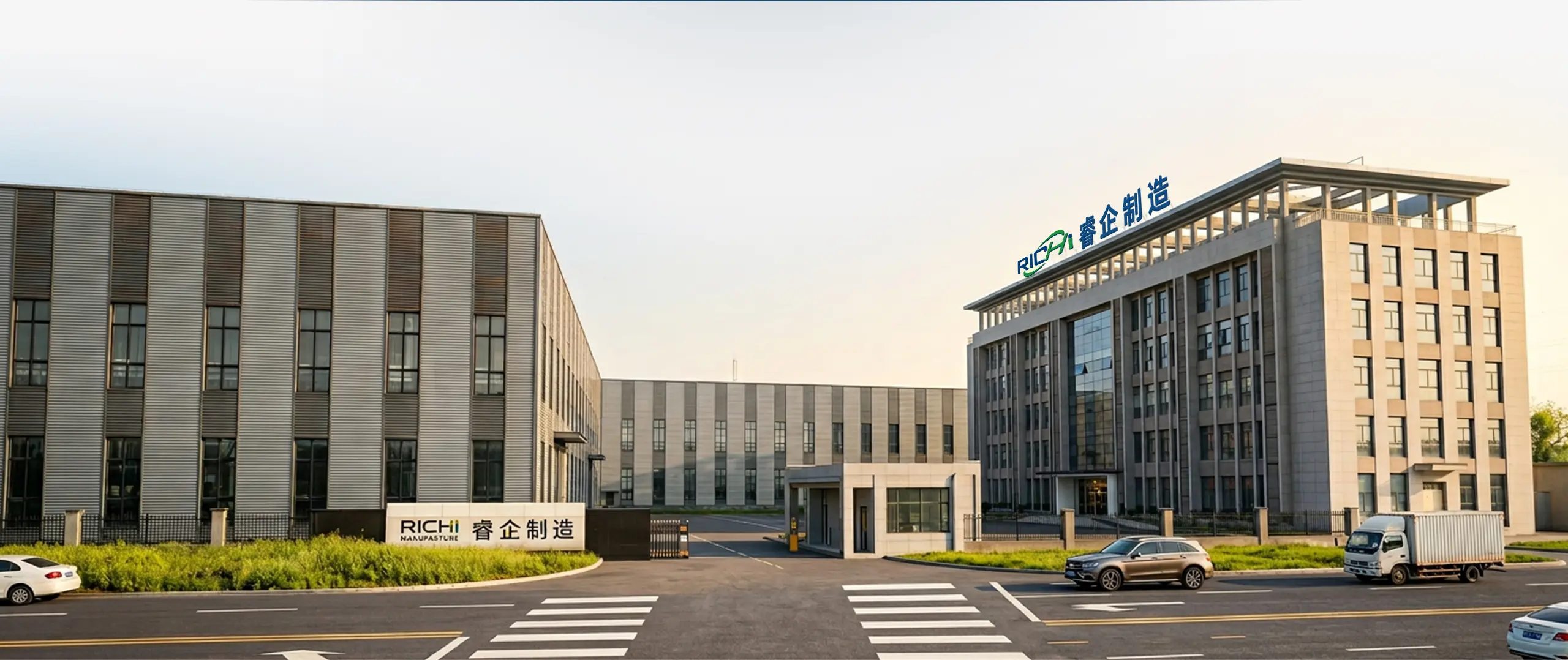
Henan RICHI Machinery Co., Ltd., established in 1995, primarily focuses on the research and development and manufacturing of feed machinery, biomass pelleting equipment, organic fertilizer pelleting equipment, and complete pelleting production lines. After more than 30 years of development, RICHI has become a professional pelleting machinery manufacturer. Our products are exported to over 140 countries and regions worldwide, earning the trust of customers both domestically and internationally.
Qualification Advantages
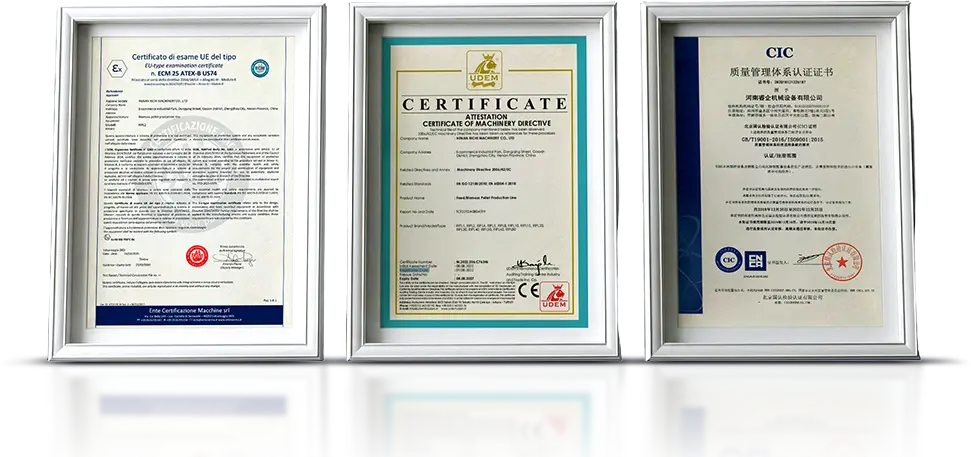
RICHI boasts numerous international authoritative certifications and patents, including ISO9001, CE, SGS, and TÜV. This means that the equipment you purchase can smoothly pass through customs and quality standards in various countries, with no customs clearance risks and compliant delivery. Choosing RICHI means choosing a guarantee of smooth global access and worry-free production.