

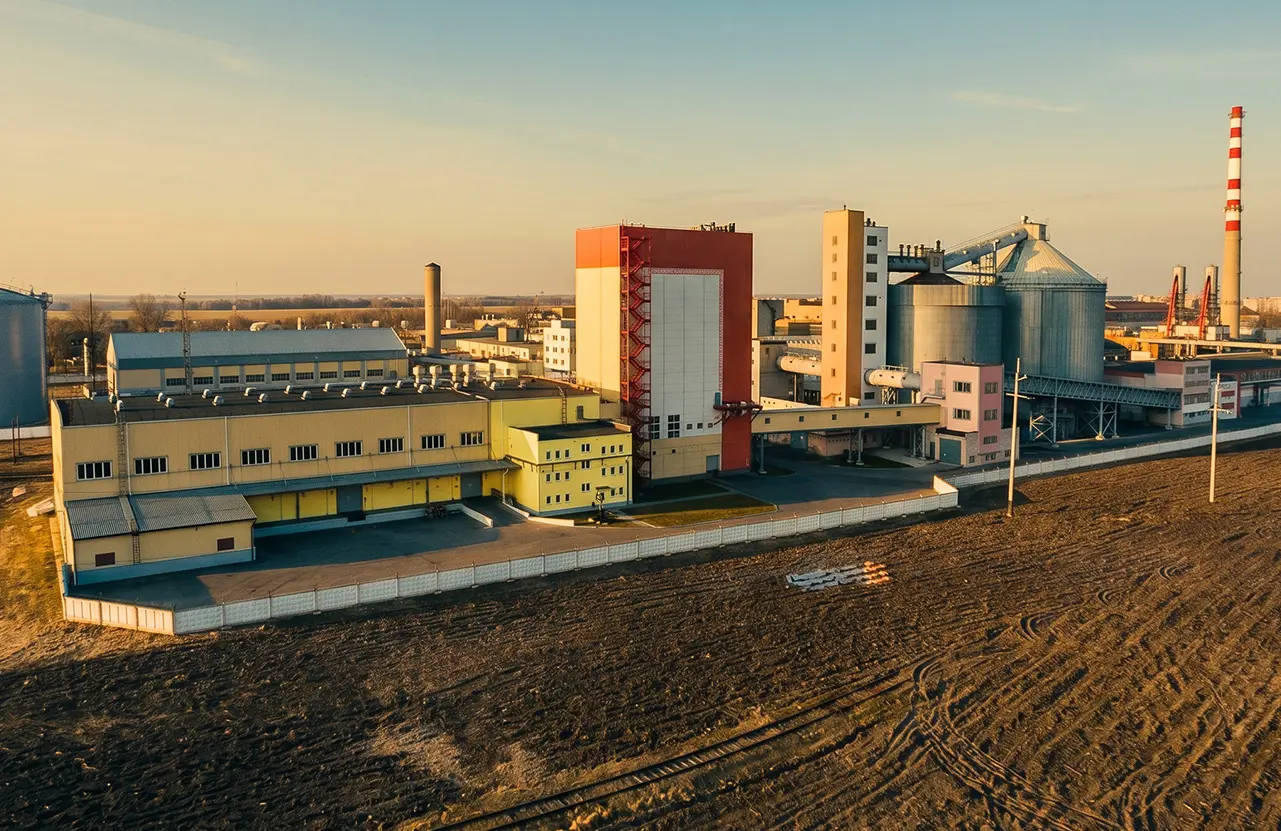
According to different customer needs, RICHI
Alfalfa Pellet Production Line
Want to produce alfalfa pellets with a single production line? You don’t have to worry about piecing it together yourself. RICHI can provide customized services for the entire alfalfa pellet production line, from raw material processing to final packaging, all in one seamless process. This way, you can relax and make more profits!

Introduction to Alfalfa Pellet Production Line
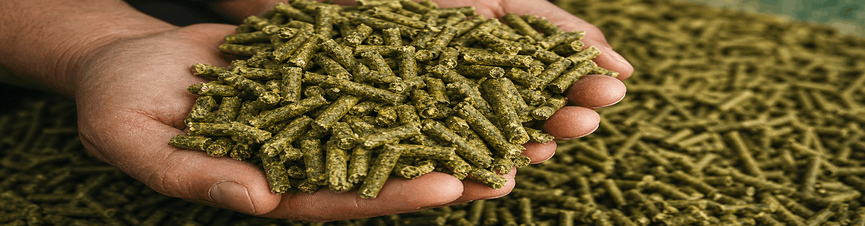
Alfalfa pellet production lines mainly process alfalfa hay into high‑density feed pellets. These pellets are then used as high‑quality, high‑protein feed for ruminants like cattle and sheep.
The production line covers all key stages: raw material cleaning, crushing, drying, pelleting, cooling, screening, and packaging. The equipment configuration is flexible. It can serve small farms, and it also adapts well to large‑scale commercial feed pellet plants. Whatever the scenario, it meets the needs.
Capacity: 0.2-60 T/H
Price: $10,000 – $1,000,000
Pellet Size: 4-12 mm
Alfalfa Pellet Production Line Videos
Before you learn more about the alfalfa pellet production line, you can watch the video below. It gives you a basic overview of the entire production process – from raw material cleaning right through to pelleting.
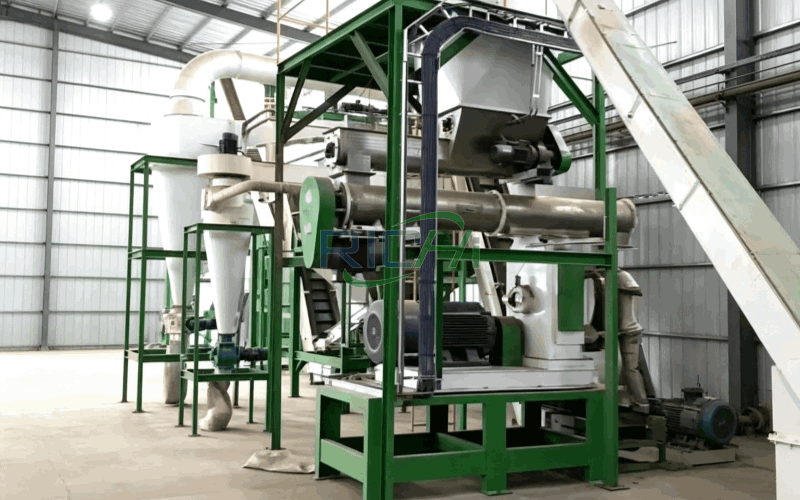
4 T/H Alfalfa Pellet Production Line in Argentina


1-2 T/H Alfalfa Pellet Production Line in Uzbekistan
Alfalfa Pellet Production Process
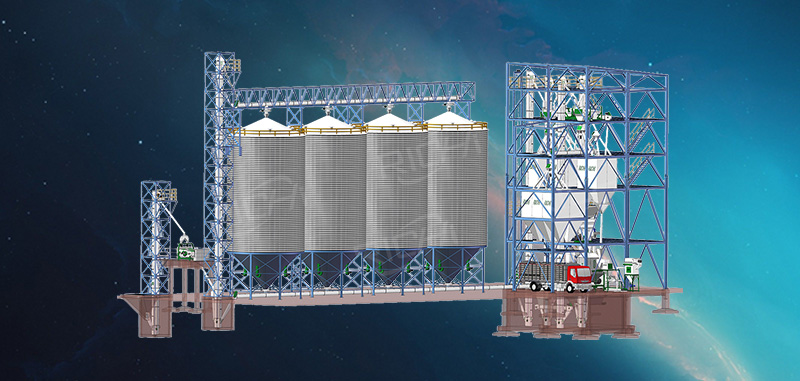
Are you looking to produce alfalfa feed pellets that are nutritionally balanced and consistent in quality? It’s not just about the raw materials – you also need a reliable production line to get the process right. RICHI alfalfa pellet production line covers crushing, drying, pelleting, cooling, screening, and packaging. Each step does its part to ensure the quality of the final pellets.
01.
Bale Breaking
Alfalfa pellet production lines are usually set up to make feed for cattle and sheep. Apart from small farms and a few other cases, alfalfa mostly comes in compacted bales. Because they’re large, you need to break them down first with a bale breaker – cut the twine and loosen the material, so it’s easier to handle.
02.
Crushing
Clean alfalfa usually needs to be crushed into grass powder using a grinder. This is because if the raw material is too coarse, it will cause the pellets to be loose and unformed during granulation, and the ash content of the produced pellets will be relatively high when used as fuel for combustion.
03.
Drying
After the alfalfa is crushed to a certain extent, it cannot be directly granulated. A drying section is needed. If the humidity of the alfalfa is too high, the final pellets will not be able to be shaped properly, and they will mold after a few days. However, if it is too dry, the produced pellets will be prone to become loose and break easily upon impact. It is best to control the moisture content of the alfalfa powder at 13%-18%. Our drying machine can precisely adjust the moisture content of the raw materials.
04.
Pelletising
To turn alfalfa into ruminant feed pellets, you usually need to condition it first. The dried alfalfa goes into the pellet mill’s conditioner, where paddles and steam work together to cook and gelatinize the material thoroughly. Then, with the help of a double‑roller anti‑bridging feeder and a forced feeder, the material moves smoothly into the pelleting chamber. There, the rollers squeeze it firmly, and it comes out through the ring die holes. Finally, a cutter chops the extruded strands into the length you want, with all pellets the same size.
05.
Cooling
After coming out of the pellet mill, the alfalfa pellets are usually quite hot because of the steam used during conditioning. You can’t bag them right away for storage – they could even catch fire. So we place a cooler right after the pelleting stage in our alfalfa pellet production line. It brings the pellet temperature down to room temperature quickly. Once they cool and harden, they’re much easier to store and transport.
06.
Screening
During cooling, some broken pieces and fine powder may form, and they don’t look great. So we run the pellets through a screener. It removes all the damaged pellets and fine dust, leaving only whole, uniform pellets. When the pellets look consistent and clean, they’re more appealing to buyers – and that helps you sell them more easily.
07.
Packaging
Finally, the alfalfa pellets move to the packaging stage. Our packaging scale weighs, fills, and seals the bags according to the weight you set – for example, 15 kg or 25 kg per bag. It ensures almost zero weight variation from bag to bag, and the seals are completely airtight. This step replaces the old labor‑intensive way of bagging by hand, so it cuts down your labor costs significantly. Once the packaging is done, you can store the pellets or sell them right away.
Global Alfalfa Pellet Production Line Cases
Here are some representative cases of alfalfa pellet production lines. They may be more helpful for you to understand the production lines of RICHI. If you have any other questions, please feel free to contact us for consultation.
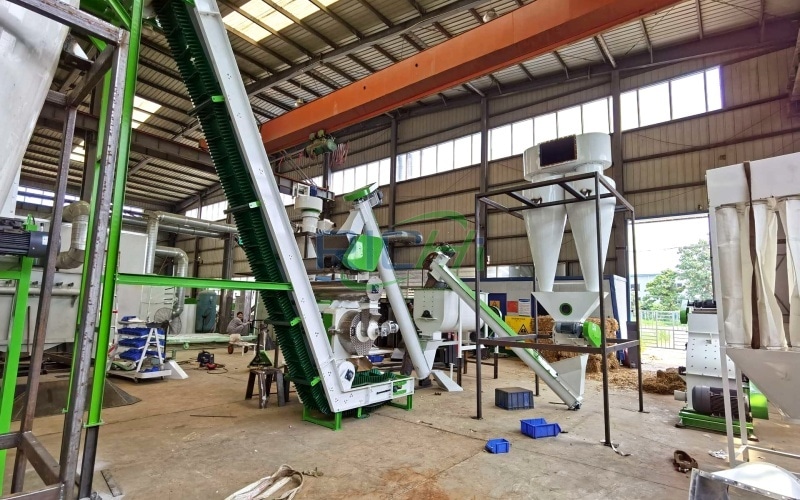
0.5-1 T/H Alfalfa Pellet Production Line in Kenya
The client is an alfalfa farm in Kenya. In the past, they sold their hay in bulk at low prices, so profits were thin. They wanted to earn more by processing the hay into feed pellets and selling them to local dairy farms and beef cattle feedlots. Their main requirements were low power consumption and simple operation.
Main Equipment: hammer mill, alfalfa pellet mill, counter‑flow cooler, and packaging scale
Raw Materials: alfalfa hay (moisture ≤15%) and a small amount of corn stalks
Capacity: 0.5-1 ton/hour
Pellet Size: 6mm
Guide Price: $32,000
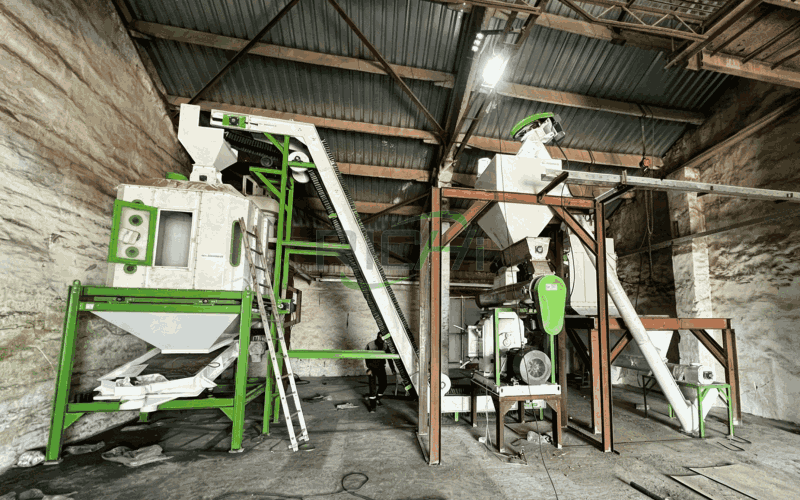
2-3 T/H Alfalfa Pellet Production Line in Indonesia
An Indonesian feed processing company, primarily producing ruminant compound feed. They wanted to add an alfalfa pellet line because local roughage sources like cassava residue and rice husks are abundant, and alfalfa acreage is growing. They needed equipment that could handle high‑fiber materials and varying moisture levels.
Main Equipment: crusher, alfalfa pellet machine, counter‑flow cooler, rotary grading screen, and packaging scale
Raw Materials: alfalfa hay, rice husks, and cassava residue
Capacity: 2-3 tons/hour
Pellet Size: 6mm, 8mm
Guide Price: $75,000
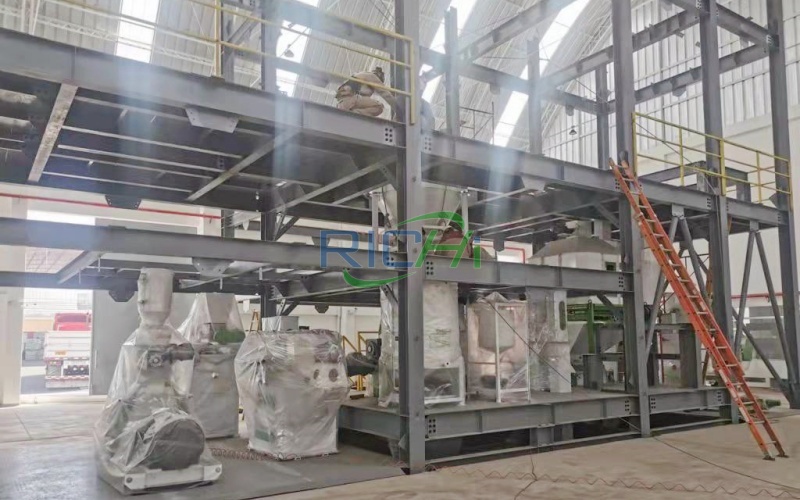
8-10 T/H Alfalfa Pellet Production Line in Brazil
The client is a large agricultural company with over a thousand acres of alfalfa and a large‑scale dairy farm. But their existing line couldn’t keep up with demand. They wanted a mid‑to‑large‑sized alfalfa pellet production line that offered low energy consumption, long service life, and pellets that met heat value standards.
Main Equipment: crusher, rotary dryer, alfalfa pellet mill, counter‑flow cooler, rotary grading screen, and fully automatic packaging scale
Raw Materials: alfalfa hay and sugarcane bagasse
Capacity: 8-10 tons/hour
Pellet Size: 6mm, 10mm
Guide Price: $268,000
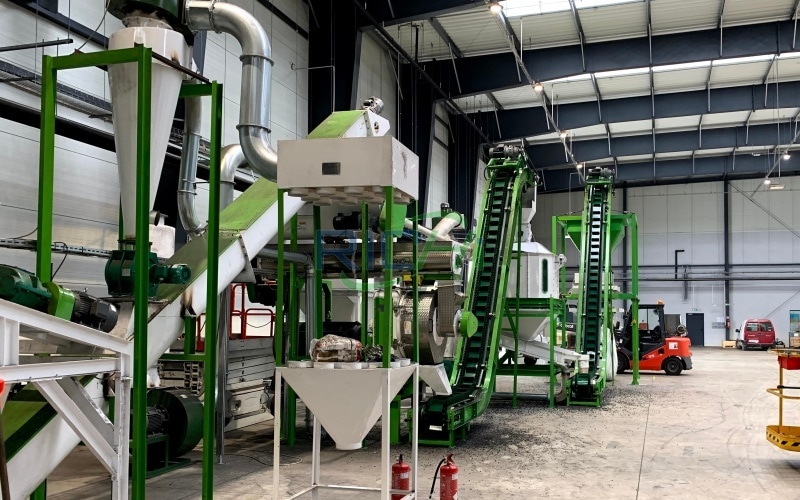
15 T/H Alfalfa Pellet Production Line in Poland
This is a large feed group in Poland that supplies dairy and beef feedlots across neighboring countries. They had high standards – they needed a highly automated alfalfa pellet production line with strict requirements for nutritional uniformity and hygiene.
Main Equipment: hammer mill, rotary dryer, alfalfa pellet mill, counter‑flow cooler, rotary grading screen, fully automatic packaging scale, and bag filter dust collector
Raw Materials: alfalfa hay and wheat straw
Capacity: 15 tons/hour
Pellet Sizes: 8mm, 12mm
Guide Price: $935,000

Customer Testimonials
RICHI has served customers from 140 countries and regions over the past 30 years. The alfalfa pellet production lines it sold have also received many positive reviews. The trust of our customers is the greatest support we could ask for.
Other Equipment in Alfalfa Pellet Production Line
Below we show the equipment used in the main sections of a complete alfalfa pellet production line. This will help you get familiar with each part. If you need to purchase any auxiliary equipment separately, just contact us for more information.
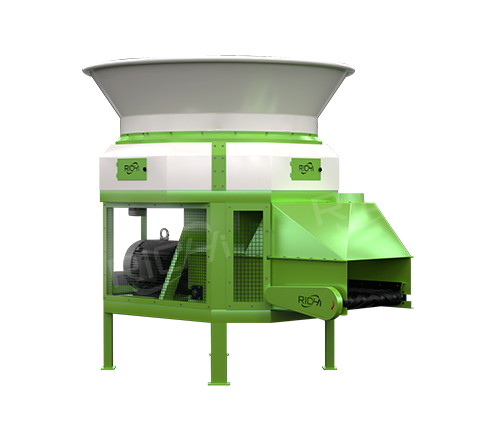
Bale Breaker
Break the knotted twine and loosen the material. This turns the compact bales into a loose, fluffy state. Then it’s much easier to handle.
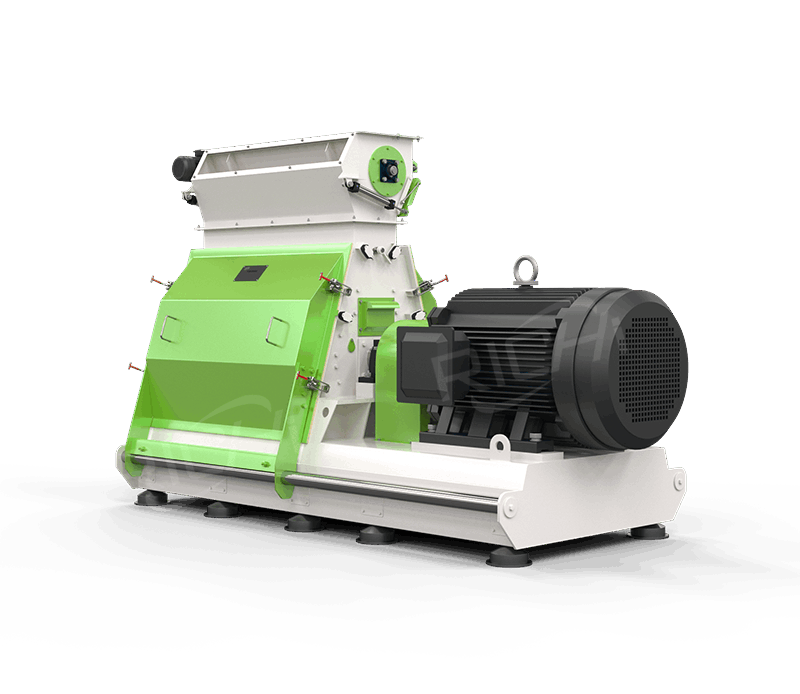
Grind the alfalfa into a fine, uniform powder. This prepares the material for the key pelleting stage and helps achieve better results.
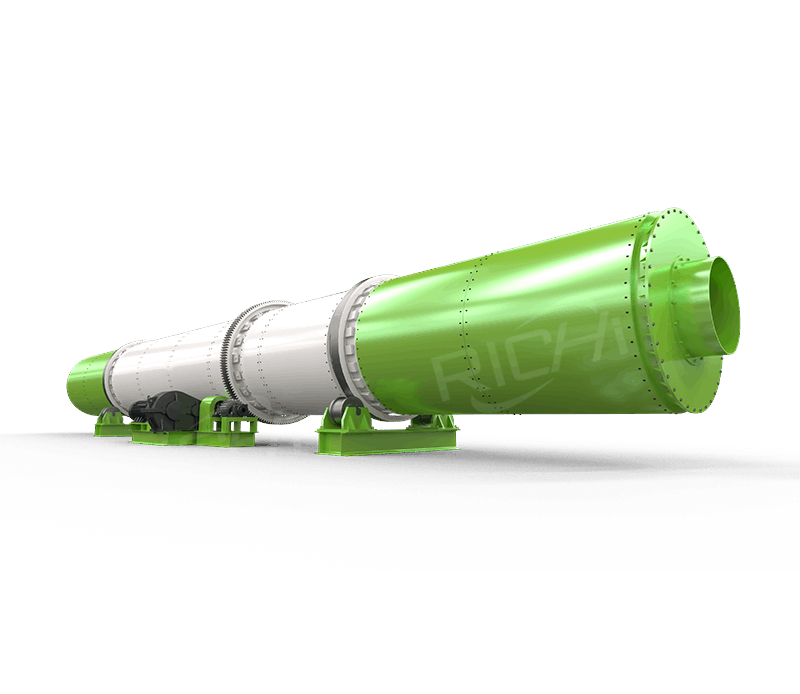
Precisely control the moisture of your alfalfa material. Keep it between 12% and 15%. That way, the pelleting process runs more smoothly.
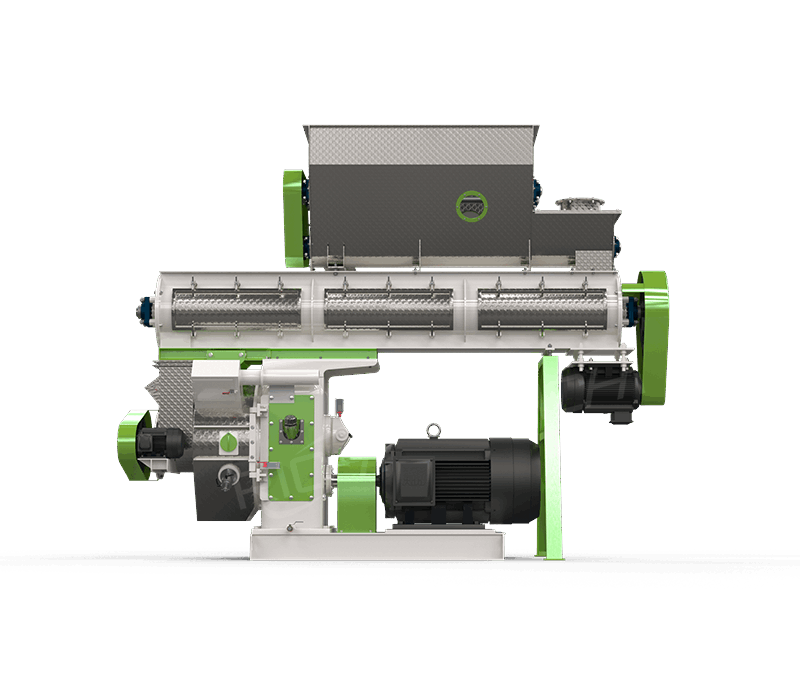
The conditioner, ring die, and pressure roller work together to produce high-quality alfalfa pellets with uniform pellet size.
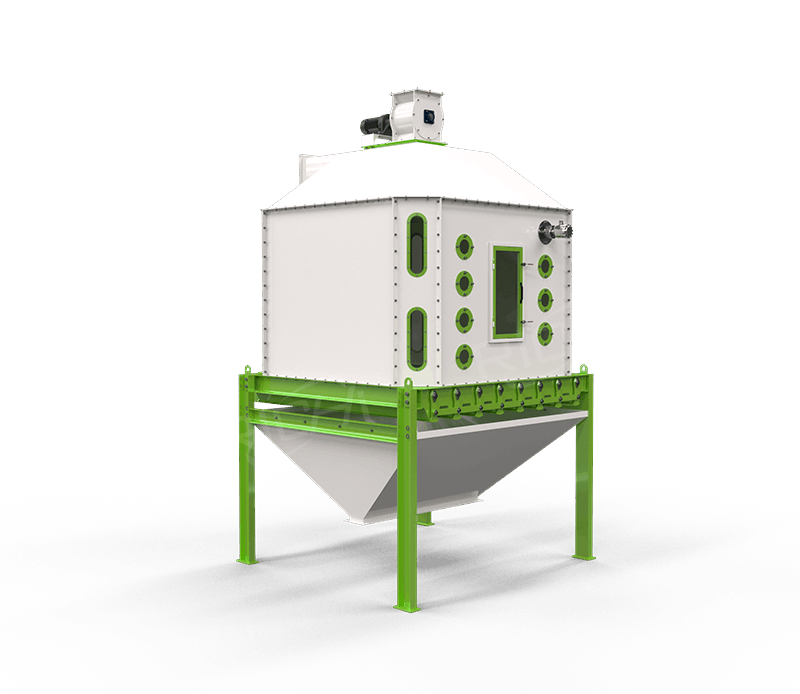
Cooling Machine
Lowering the temperature of alfalfa pellets allows the finished pellets to harden quickly, optimizing storage conditions.
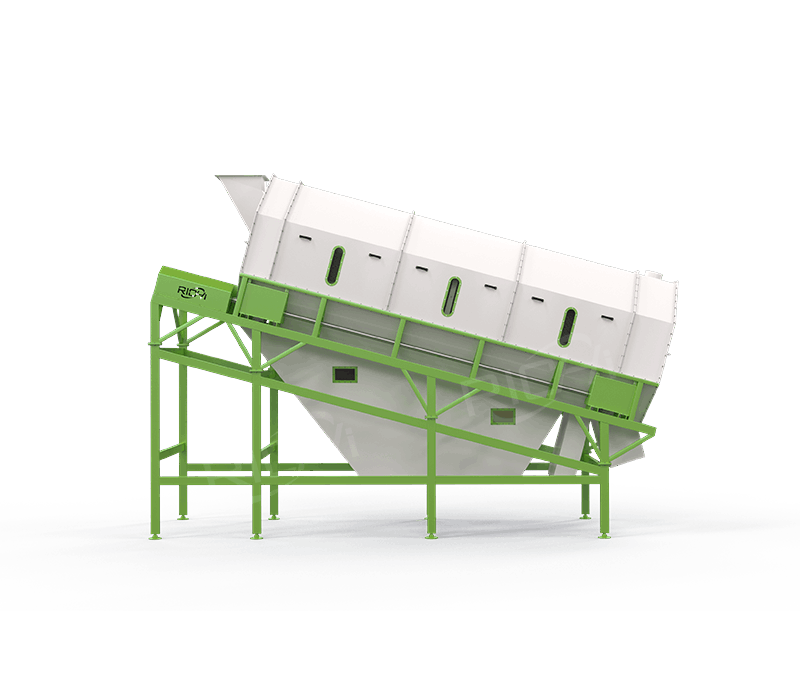
Screening Machine
Used to remove some substandard pellets, retaining only the finished product with good appearance.
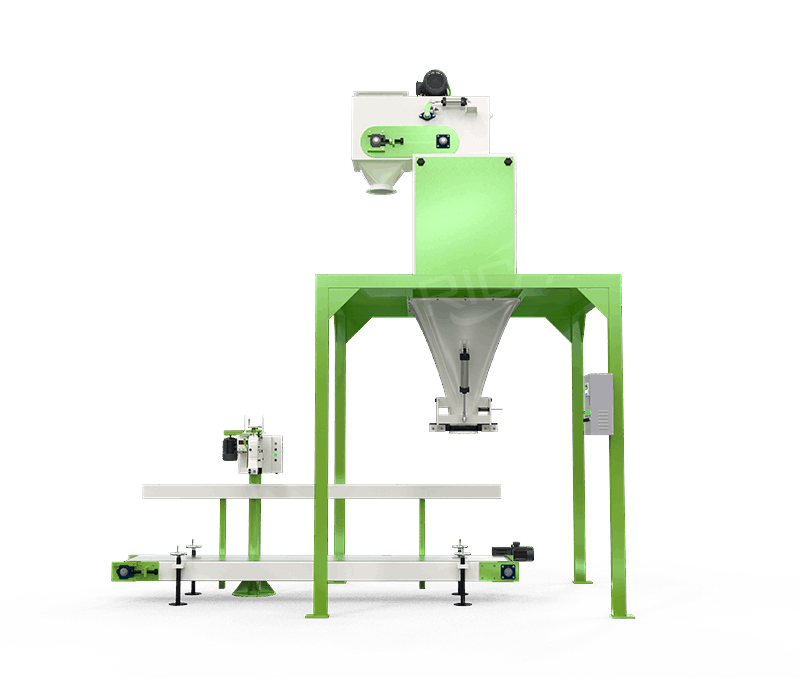
Packing Scale
After setting the weight, the alfalfa pellets are quickly weighed and packaged for storage, reducing labor costs.
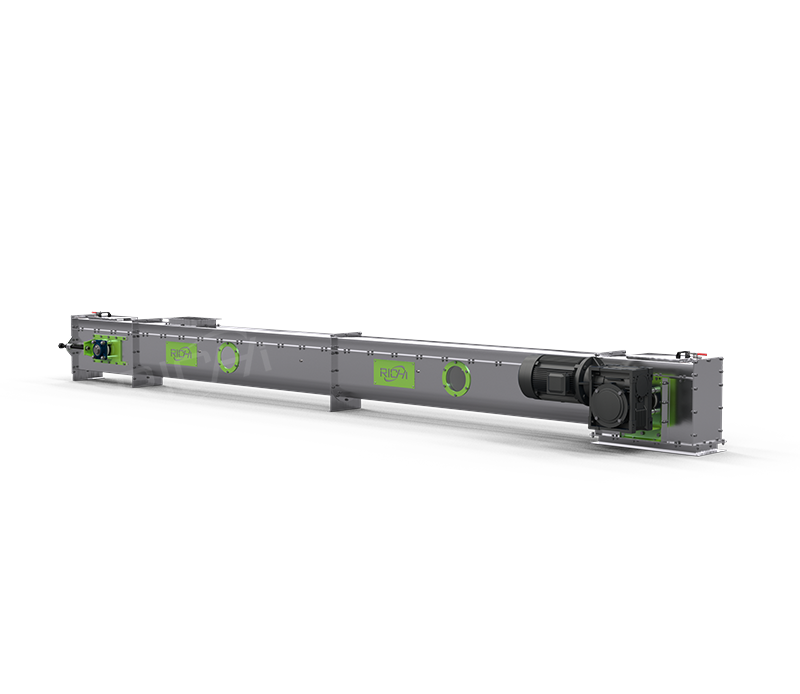
Conveyor Belt
It can be used throughout the entire alfalfa pellet production line as a transfer device between all stages.

Our Service Process
If you want to purchase a alfalfa pellet production line, from your first consultation to receiving the equipment and starting production, there are many key steps involved. RICHI will provide corresponding services at each stage to make your purchase process worry-free and effortless.
Project Experience
30+
Years

Countries and Regions Served
140+

Projects Delivered
2000+

Factory Area
100,000+
㎡

About Us
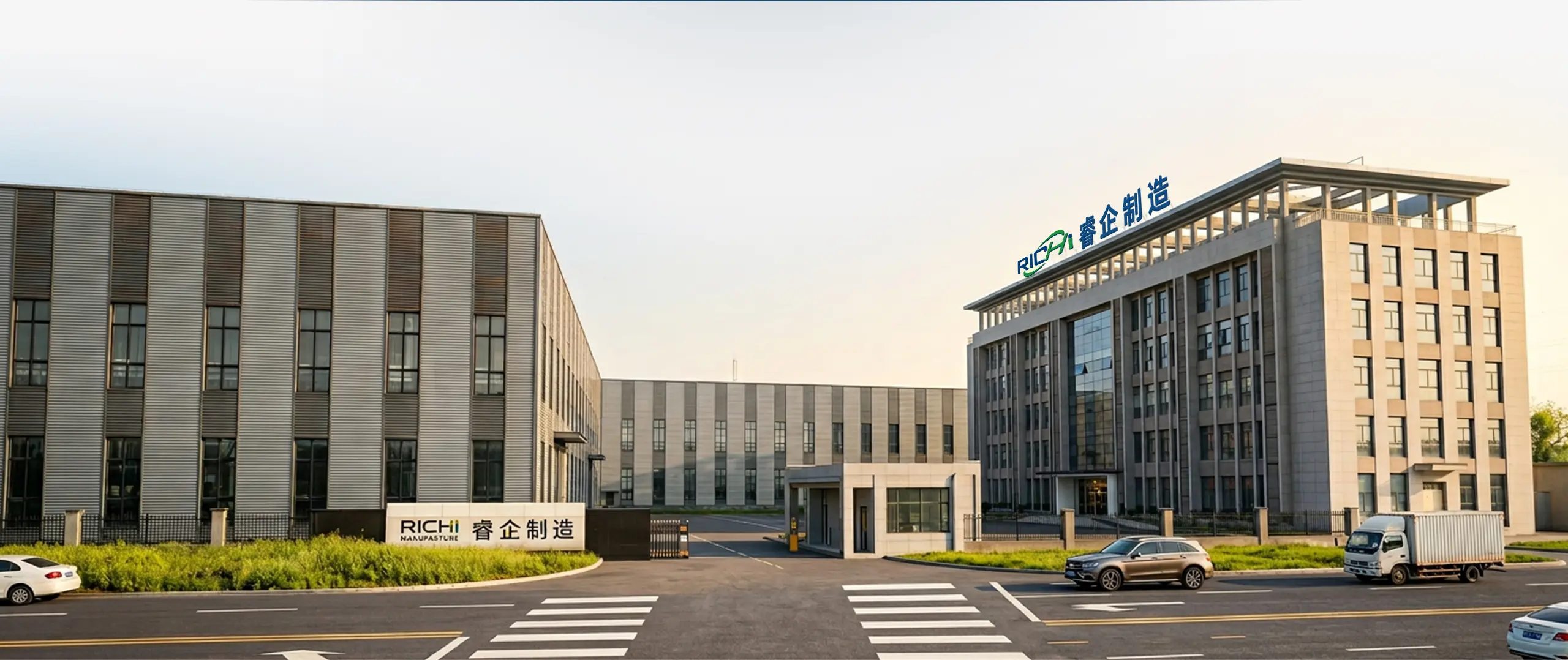
Henan RICHI Machinery Equipment Co., Ltd., established in 1995, primarily focuses on the research and development and manufacturing of feed machinery, biomass pelleting equipment, organic fertilizer pelleting equipment, and complete pelleting production lines. After more than 30 years of development, RICHI has become a professional pelleting machinery manufacturer. Our products are exported to over 140 countries and regions worldwide, earning the trust of customers both domestically and internationally.
Qualification Advantages
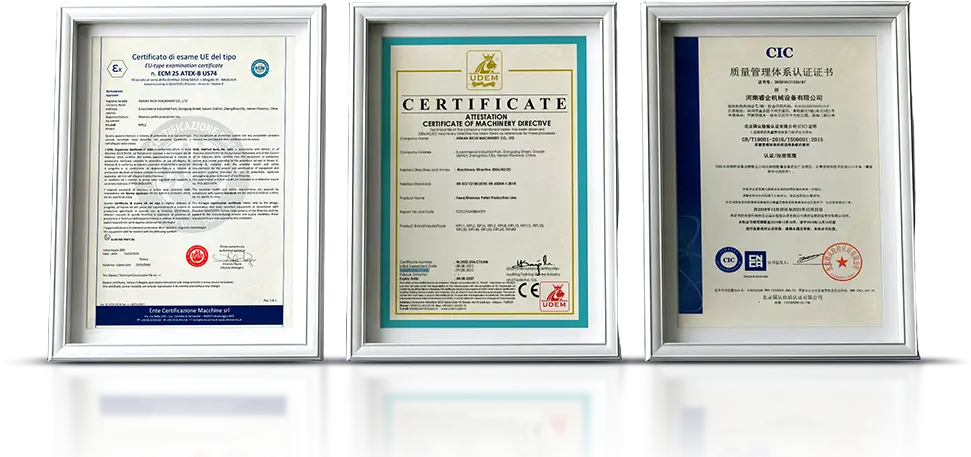
RICHI boasts numerous international authoritative certifications and patents, including ISO9001, CE, SGS, and TÜV. This means that the equipment you purchase can smoothly pass through customs and quality standards in various countries, with no customs clearance risks and compliant delivery. Choosing RICHI means choosing a guarantee of smooth global access and worry-free production.
FAQ
We have compiled a list of questions that customers frequently ask. You might have similar questions as well. The following are for your reference. If you have any other inquiries, please feel free to contact us at any time.
Can this alfalfa pellet production line only produce feed pellets? Or can I use alfalfa to make fuel pellets as well?
→
Yes, this alfalfa pellet production line is better suited for feed pellets. If you want to make fuel pellets from alfalfa, most of the steps stay the same. But at the pelleting stage, you’ll need to swap the pellet mill for one without a conditioner. If you do need a fuel pellet line, just contact us and we’ll customize one for you.
Will the made alfalfa pellets be prone to breaking and have a lot of dust falling off?
→
If the fineness of crushing is sufficient, the moisture content is appropriate, and the selection of the ring die compression ratio is correct, the durability of the alfalfa pellets can meet the standards. Normal packaging and transportation will not cause a large amount of dust falling off. Our alfalfa pellet production line can control the fineness of raw material crushing and moisture content within a reasonable range. We will also provide you with an appropriate ring die compression ratio, and by doing all these well, there is no need to worry that the made pellets will be prone to breaking.
I’m not quite sure if I want to purchase it. Can I first mail our raw materials to help test the machine?
→
Sure! Whether you have alfalfa grass or alfalfa scraps around you, you can mail them to our factory. We will conduct targeted machine production to simulate the entire process of crushing, granulation, etc. of the production line. We will send you samples of the finished product’s pellet shape, hardness, and appearance, allowing you to truly feel the adaptability and quality of our production line.
What scale of customers does your alfalfa pellet line suit?
→
RICHI’s alfalfa pellet production lines fit a wide range of scales. That’s because we offer different models for each piece of equipment, covering a broad capacity range. They work for small family‑run ruminant feed workshops, and also for medium and large animal feed plants.
How long does it take to install a alfalfa pellet production line?
→
This depends on the production capacity and complexity of the alfalfa pellet production line you purchase. For a small line (such as a production capacity of 1-2 tons per hour), it usually takes one to two weeks to complete the installation and commissioning. For medium-sized lines (with a production capacity of more than 5 tons per hour), the construction period will be longer, but generally will not exceed half a year. If necessary, we will arrange technicians to assist with the installation on-site or provide remote guidance to minimize the installation and commissioning time as much as possible.

