According to different customer needs, RICHI
Wood Pellet Production Line
From raw materials to finished products, a single production line perfectly solves your biomass fuel production needs.
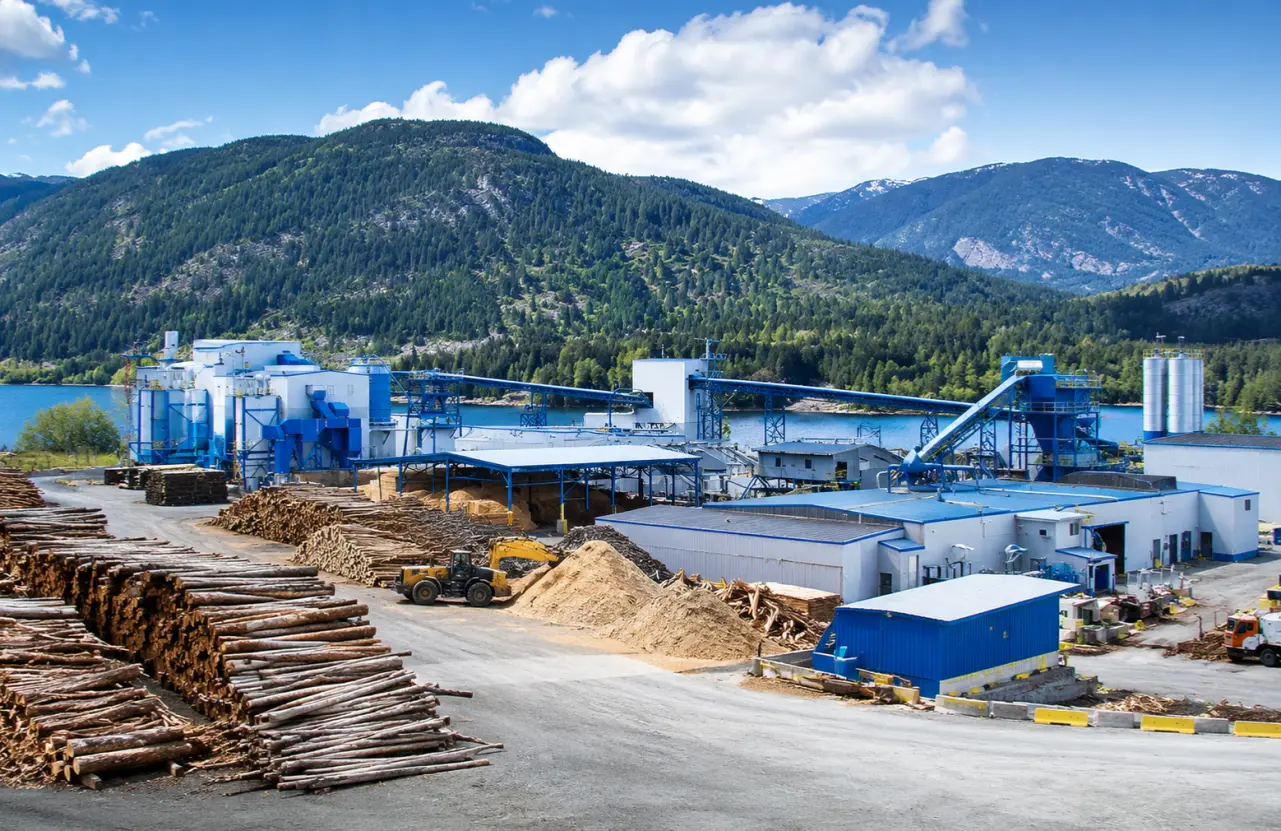
The RICHI wood pellet production line efficiently processes raw materials such as logs, shavings, and branches, with a capacity of 0.2-12 tons/hour, and is already in use in more than 140 countries worldwide.

Introduction of Wood Pellet Production Line
If you own a timber processing plant, an agricultural and forestry waste treatment company, or a biomass fuel operator, you may often ask this question: How can you process agricultural and forestry waste and create extra income from it? Actually, a mature wood pellet line is all you need. It can turn those waste materials into biomass fuel. Otherwise, you would have to dispose of them. With biomass energy and the green circular economy gaining more attention, this production line is also a core competitive advantage for forest farms, wood processing plants, and biomass fuel companies.
RICHI wood pellet production lines cover the whole process. This includes raw material processing, crushing, drying, pelleting, cooling, screening, and packaging. The parameters of each piece of equipment can be adjusted flexibly to meet your needs. The pellets produced meet industry standards. They can be used for residential heating, industrial boiler heating, or external sales. Please contact us to get the exact wood pellet line price.
Capacity: 0.2-12 T/H
Price: $20,000-$2,100,000
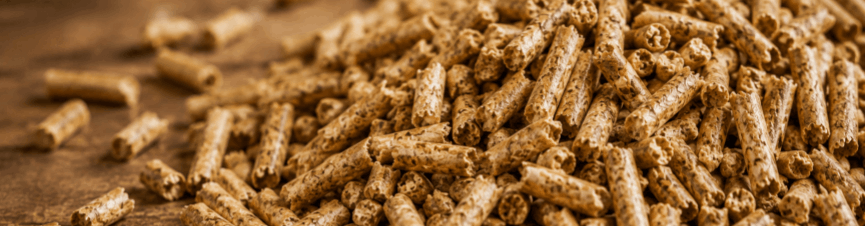
Pellet Size: 4-12 mm
Raw Materials for Wood Pellet Production Line
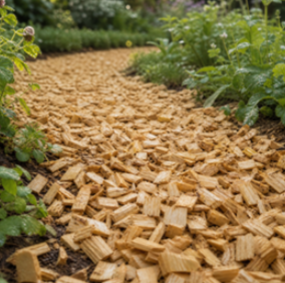
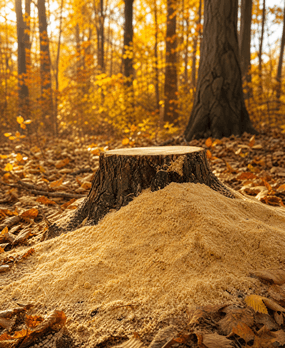
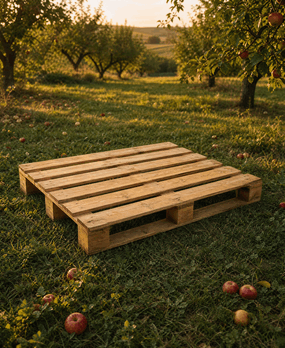
Wood raw materials vary from customer to customer. To better serve diverse clients, RICHI customizes wood pellet production lines to fit each customer’s real needs. Whatever type of wood you use, our line can handle it.
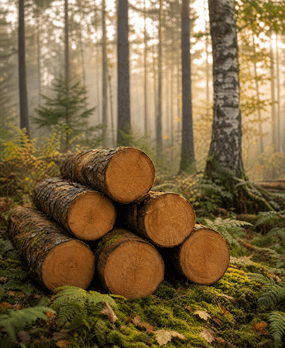
Log
Wood Chips
Sawdust

Wood Shavings
Wooden Pallets
Wood Pellet Production Line Video
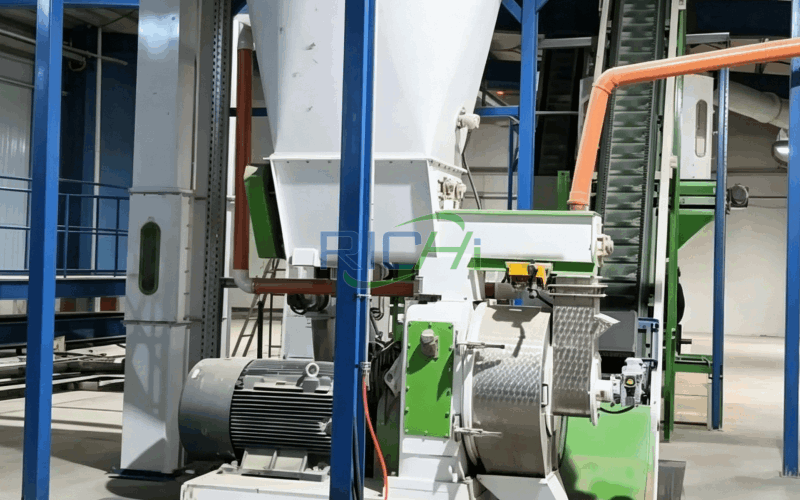
It is hard to show the operation of a complete wood pellet production line with only text. Below are two videos of wood pellet production lines we customized for clients. These videos show the production results clearly. You can click to watch them. You can also contact us for more videos.
2T/H Wood Pellet Production Line in Romania

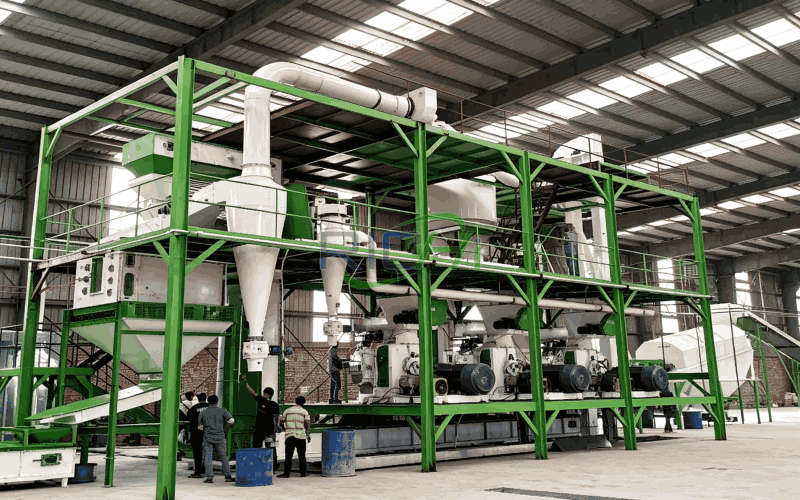
20 T/H Wood Pellet Production Line in Bangladesh

How are Wood Pellets Made
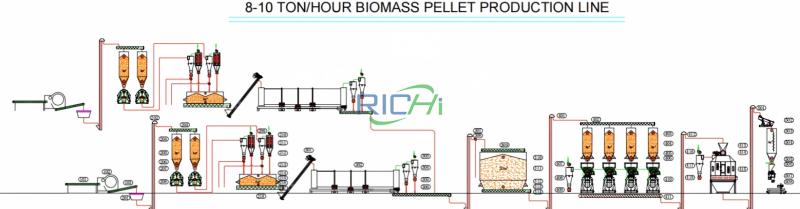
Why does the pellet quality vary so much even with the same wood raw material? How do you make high‑quality wood pellets? The key is to control the processing technology. When the mixed wood materials enter the RICHI wood pellet production line, they must go through many special steps. We will use the wood pellet production line in USA as an example to explain the process.
01.
Crushing
Like the wood pellet production projects in the US, most customers have complex and large wood raw materials. So they need coarse crushing first. This cuts the raw materials into small, uniform pieces. Then they go through fine crushing to reduce the pellet size further. These two crushing steps work together. They improve the crushing effect and prepare the material for later steps.
02.
Drying
After crushing, the material enters a storage container. Then it is evenly fed into the drying section. The drying equipment uses hot air to remove moisture. It controls the moisture content precisely. This provides the right moisture for the granulation step. The main purpose is to remove excess moisture. This prevents the pellet mill from getting clogged due to high humidity.
03.
Pelleting
This is the most important step in the complete wood pellet line. The dried material goes into a special biomass pellet machine. There, the ring die and pressure rollers apply strong pressure. They compress the dry, fine material into uniform cylindrical pellets. The pellets have a consistent shape and size. Because of the strong compression, the lignin in the material softens naturally. It acts like a glue. This prevents the pellets from falling apart easily.
04.
Cooling
If you don’t want your wood pellets to break easily, you must cool them. After the pellets come out of the pellet mill, they are sent to a cooling machine. Cold air flows through the machine and removes heat. This lowers the pellet temperature. Cooling increases the hardness of the pellets. It makes them stronger so they can withstand handling and stacking later.
05.
Screening
After cooling, screening is next. This step ensures that the pellets have a uniform appearance and good quality. The screening equipment separates whole pellets from broken ones. It only keeps the good, intact pellets. Proper screening is very helpful if you plan to sell your products.
06.
Packaging
Packaging is the final step. The good pellets from screening are collected in a storage silo. A packaging machine is placed under the silo. You can set the weight from 10 to 50 kg per bag. The silo discharges the exact weight. The operator just holds a bag underneath to collect the pellets.
Wood Pellet Production Line Case Studies
To meet the needs of customers with different timber materials, RICHI wood pellet production lines can be customized and upgraded from standard configurations. Currently, our wood pellet production lines are operating in over 140 countries and regions. If you need a customized line, please contact us for technical support and wood pellet production line price.

2 T/H Wood Pellet Production Line in Singapore
Raw Materials: construction waste wood, wooden pallets, landscaping branches
Equipment: pallet crusher, hammer mill, drum dryer, wood pellet machine, counter‑flow cooler, vibrating screen, weighing and packaging machine
Finished Diameter: 6mm
Overview: Singapore has limited land. The client wanted to place the line in an industrial park with limited space. We designed a compact line for them. After processing, some of the pellets go to local power plants. The rest is exported to nearby countries.

2‑2.5 T/H Wood Pellet Production Line in Romania
Raw Materials: oak sawdust, wood shavings, beech
Equipment: hammer mill, rotary drum dryer, wood pellet mill, cooler, vibrating screen, weighing and packaging machine
Finished Diameter: 8mm
Overview: The client runs a sawmill. They use their own sawdust and shavings as raw materials. They make pellets and sell them to local residents for heating. This creates much more value than selling the sawdust directly.
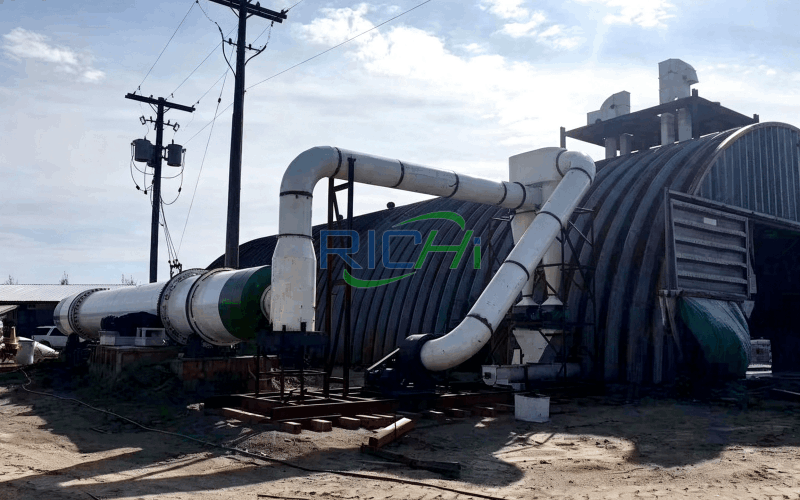
2 T/H Wood Pellet Production Line in Canada
Raw Materials: pine and spruce processing residues
Equipment: wood chipper, hammer mill, wood pellet mill, cooler, vibrating screen, weighing and packaging machine
Finished Diameter: 6mm and 8mm
Overview: The client is in British Columbia, where coniferous forest resources are abundant. The client wanted a smooth, blockage‑free process. We customized a large buffer silo and a variable‑frequency feeding system. This adapts to changes in raw material flow under the local low‑temperature winter conditions.
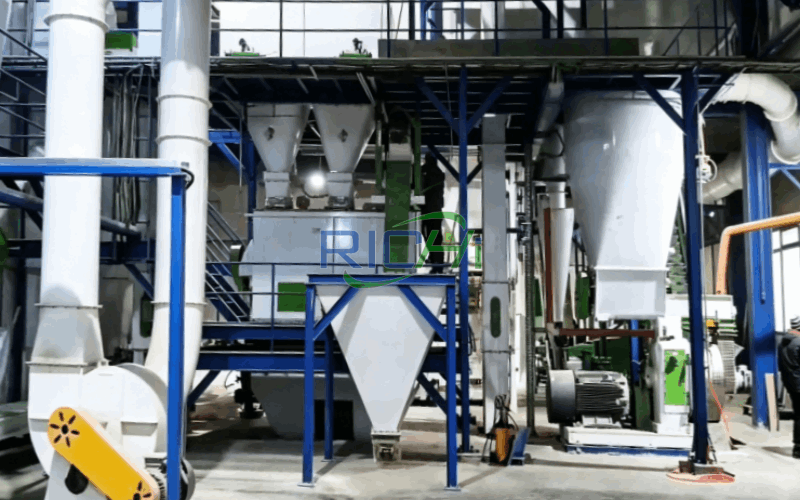
3 T/H Wood Pellet Production Line in Serbia
Raw Materials: beech, poplar, agricultural straw
Equipment: wood chipper, hammer mill, rotary drum dryer, wood pellet mill, vertical cooler, vibrating grading screen, quantitative baler
Finished Diameter: 8mm
Overview: The client is a biomass energy trader. They use a wide range of raw materials. In summer and autumn, they collect agricultural straw. In winter, they use wood processing residues. This line is designed for multiple raw materials. The client can quickly change the crusher screen and adjust the roller gap of the pellet mill.
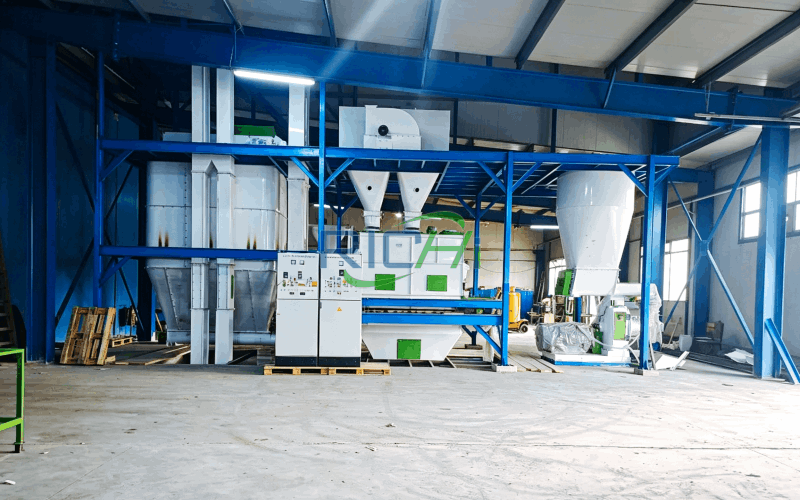
5 T/H Wood Pellet Production Line in Ukraine
Raw Materials: locust, birch
Equipment: drum chipper, hammer mill, rotary drum dryer, wood pellet mill, cooler, vibrating screen, weighing and packaging machine
Finished Diameter: 8mm
Overview: The client is a large timber group in Ukraine. They already have their own forest farms and lumber mills, so raw materials are abundant. They value continuous production. We equipped them with a central control system. This allows the whole line to produce large volumes quickly.
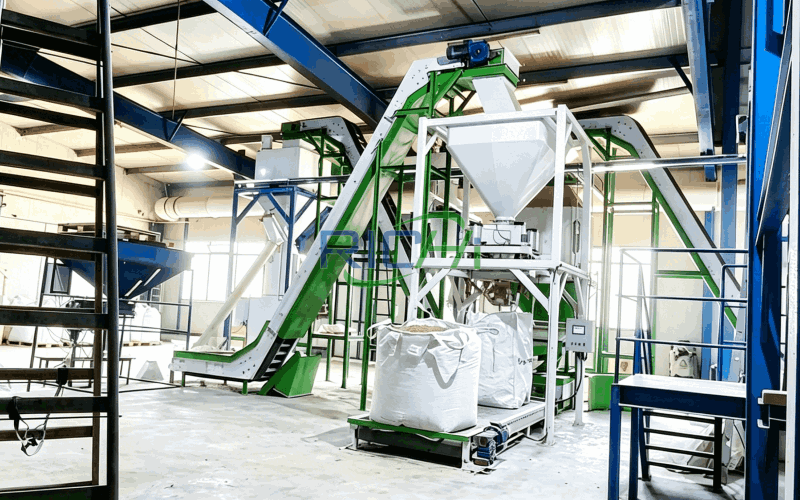
4 T/H Wood Pellet Production Line in Greece
Raw Materials: olive wood, fruit tree pruning branches, sawdust
Equipment: drum chipper, hammer mill, dryer, counter‑flow cooler, screening machine, semi‑automatic packaging machine
Finished Diameter: 6mm
Overview: The client mainly serves local commercial heating and residential boilers. Some finished pellets are also sold to neighboring countries in Southern Europe. We adjusted the process parameters for the fruitwood raw materials. This ensures a good pellet formation rate.

Feedback on Wood Pellet Production Line
Our wood pellet production lines are well received worldwide. We have mature manufacturing processes and good after‑sales service. Many projects have helped customers create value.
What Equipment Do You Need to Make Wood Pellets
Earlier, we used the US wood pellet production line as an example to explain the process. Now, let’s look at the main equipment used in wood pellet production projects.
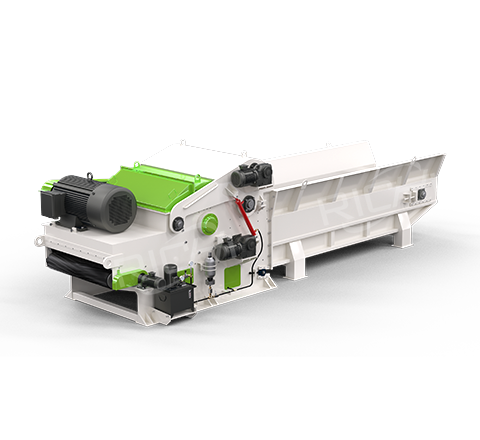
This machine cuts large pieces of wood—like logs and branches—into uniform wood chips. It is the first step in the line. It uses a drum‑type cutting structure. It can produce chips with a thickness of 5‑30mm and a length of 20‑50mm.
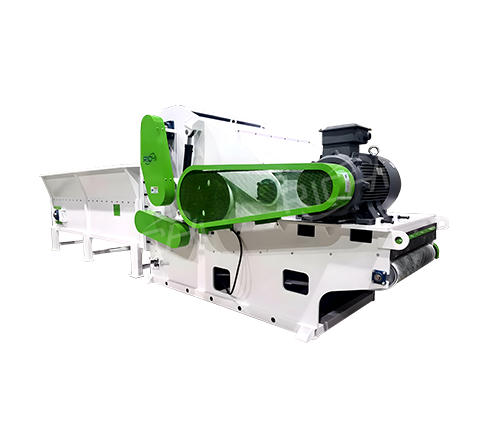
Wooden Pallet Crusher
This machine is designed for waste wood that contains iron, such as scrap pallets. It has a heavy‑duty dual‑shaft shredding structure. It runs at low speed but high torque. This effectively shreds the whole waste material and avoids blade overload.
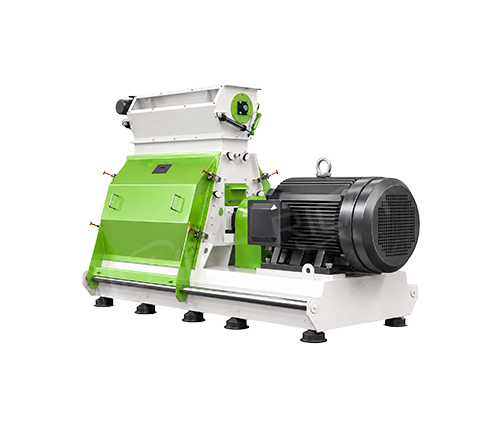
This is a high‑speed hammer mill. It breaks the material through high‑speed impact. It further pulverizes wood chips into powder. Different screen sizes can control the output fineness between 3‑12mm.
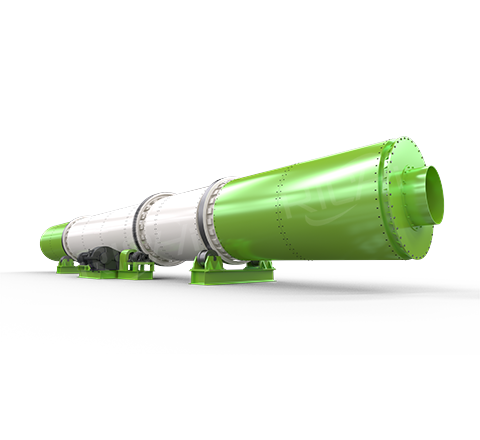
This equipment dries high‑moisture wood material. It precisely reduces the moisture content to 12%‑15% without uneven drying. The principle is counter‑current heat exchange between hot air and the wet material.
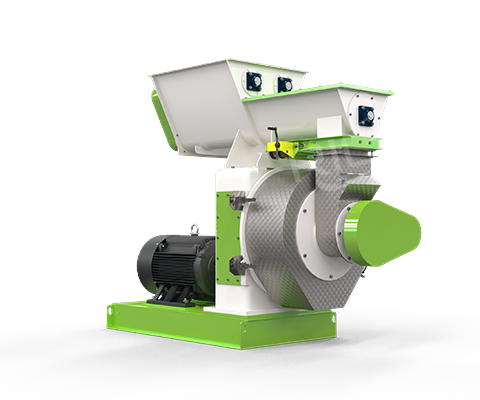
Wood Pellet Machine
This is the key machine in the line. It uses a biomass‑specific roller and ring die to compress the powdered wood into high‑density cylindrical pellets. The ring die aperture can be switched between 6‑8mm. The compression ratio can also be adjusted.
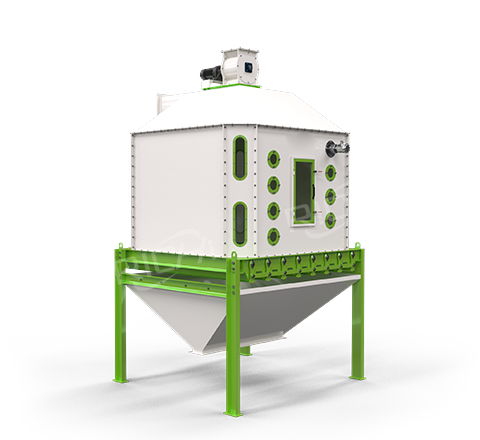
Wood Pellet Cooler
This cooler uses a counter‑current air‑cooling design. Cold air flows upward through the pellet layer. It cools the hot pellets coming out of the mill to no more than 3°C above ambient temperature. As the lignin solidifies, the pellets become much stronger and more resistant to breakage.
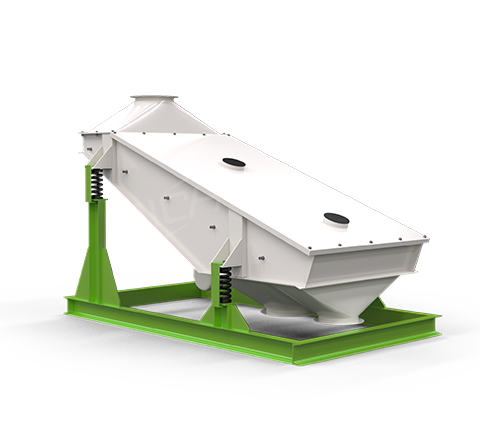
Wood Pellet Vibrating Screen
This machine screens and grades the cooled pellets. It has multiple precision screens. It separates standard finished pellets from powder and defective pieces. The screening efficiency is over 98%. This ensures a good final product appearance.
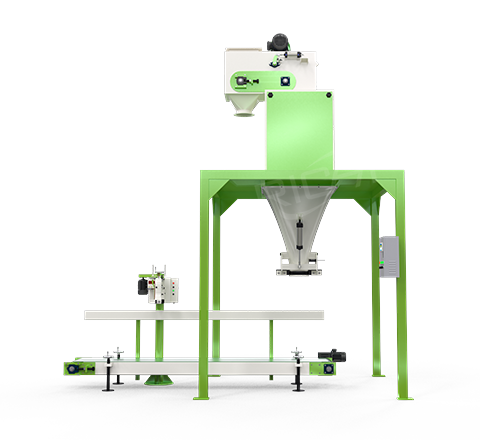
Wood Pellet Packaging Scale
This equipment weighs and packages the pellets automatically. Its weighing sensor and dual‑speed feeding gate achieve an accuracy of ±20g. It supports standard 10‑50kg bags. This reduces human error and labor costs.
FAQ
We have collected some common questions from customers. You may have the same questions. Please see the answers below. If you have other questions, feel free to contact us.
In a wood pellet production line, which section consumes the most energy?
→
Generally, the pelleting section accounts for the largest share, about 50%‑60% of total energy. The drying section follows, at about 20%‑30%. If electricity is expensive in your area, or if you want to reduce energy costs, you can consider using a biomass hot air furnace for drying instead of electric heating. This lowers the operating cost.
Can I buy only some of the equipment?
→
Yes. We support segmental supply and independent equipment sales. Many of our past clients already have some existing equipment and only need a few sections of the wood pellet production line. We will provide interface matching and technical modification suggestions based on your existing equipment parameters. This allows you to upgrade the whole line with a lower investment.
How does wood pellet combustion compare with coal in terms of efficiency and economy?
→
Typically, wood pellets have a calorific value of about 4000‑4800 kcal/kg. This is roughly 70%‑80% of standard thermal coal. However, wood pellets burn more completely and produce less ash. The economic comparison depends on local coal prices and biomass subsidy policies. In some countries, pellet fuel costs more than coal. But after considering environmental costs and subsidies, the overall cost is still very competitive.
Can the wood pellet production line be upgraded or expanded later?
→
Yes. When we design and install the wood pellet production line, we reserve expansion interfaces. If you need more capacity later, you can upgrade and expand the equipment. This avoids the high cost of building a completely new line.
Can the line produce pellets of different diameters?
→
Absolutely. The wood pellet mill allows you to change the ring die and adjust the roller gap. It can produce common sizes like 6mm and 8mm. If you need other diameters, we can also customize the line for you.
Our Services
If you want to buy a wood pellet production line, many important steps are involved—from your first inquiry to receiving the equipment and starting production. RICHI provides dedicated services at every stage. This makes your purchase easy and worry‑free.
Project Experience
30+
Years

Countries and Regions Served
140+

Projects Delivered
2000+

Factory Area
100,000+
㎡

About Us
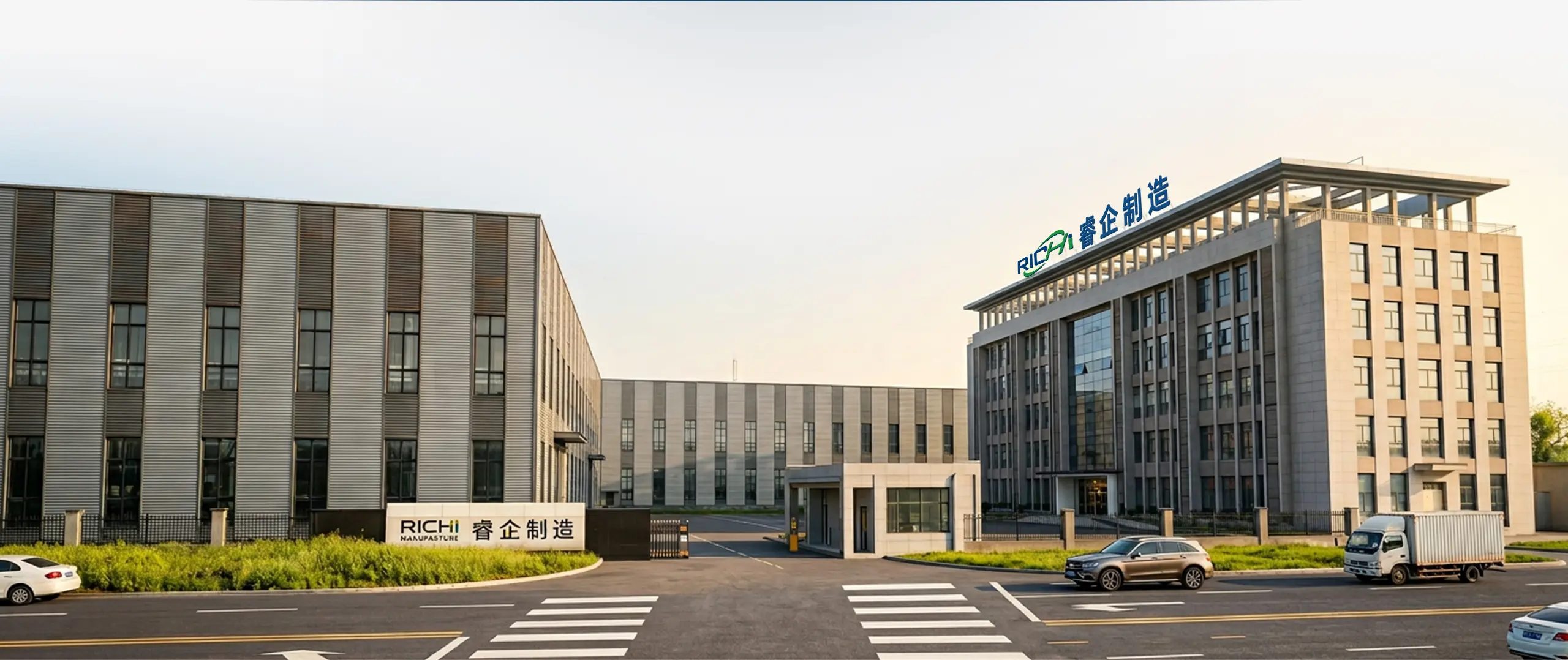
Henan RICHI Machinery Co., Ltd., established in 1995, primarily focuses on the research and development and manufacturing of feed machinery, biomass pelleting equipment, organic fertilizer pelleting equipment, and complete pelleting production lines. After more than 30 years of development, RICHI has become a professional pelleting machinery manufacturer. Our products are exported to over 140 countries and regions worldwide, earning the trust of customers both domestically and internationally.
Qualification Advantages
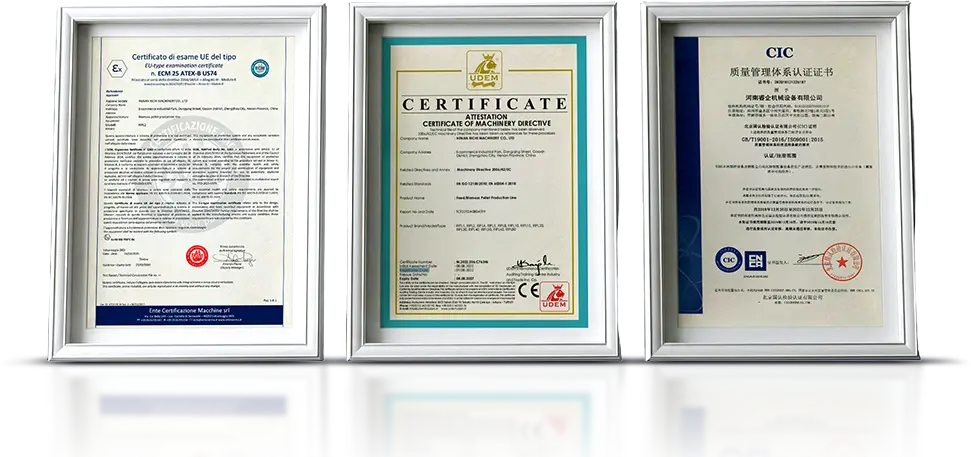
RICHI machinery boasts numerous international authoritative certifications and patents, including ISO9001, CE, SGS, and TÜV. This means that the equipment you purchase can smoothly pass through customs and quality standards in various countries, with no customs clearance risks and compliant delivery. Choosing RICHI means choosing a guarantee of smooth global access and worry-free production.