Cotton Stalk Pellet Mill


Product Introduction
Innovative Cotton Stalk Pellet Mill
Capacity: 0.2–4 T/H
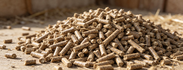
A cotton stalk pellet mill is a biomass pellet machine. It uses cotton stalks as the main raw material. It compresses and cuts them into uniform pellets. Cotton stalks have a high degree of lignification. Therefore, the pellets mainly serve as biomass fuel. They can also work as animal feed for cattle, sheep, and other livestock. Note that cotton stalks contain gossypol. You need to detoxify the material or use it in limited amounts before you make animal feed.

Cotton Stalk Pellet Mill Video
Our cotton stalk pellet machine makes pellets with a diameter of 4–12 mm. These pellets are compact and uniform. The real machine in operation shows you what the equipment can do. You can also watch more videos of our equipment on YouTube.
4 T/H Cotton Stalk Pellet Machine in Argentina

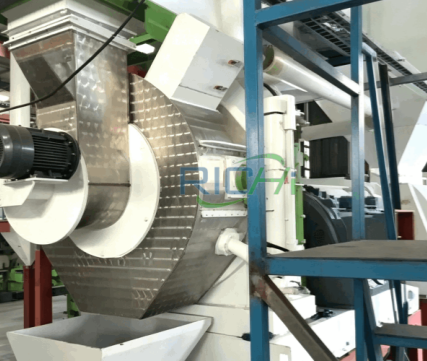
2 T/H Cotton Stalk Pellet Press in Egypt
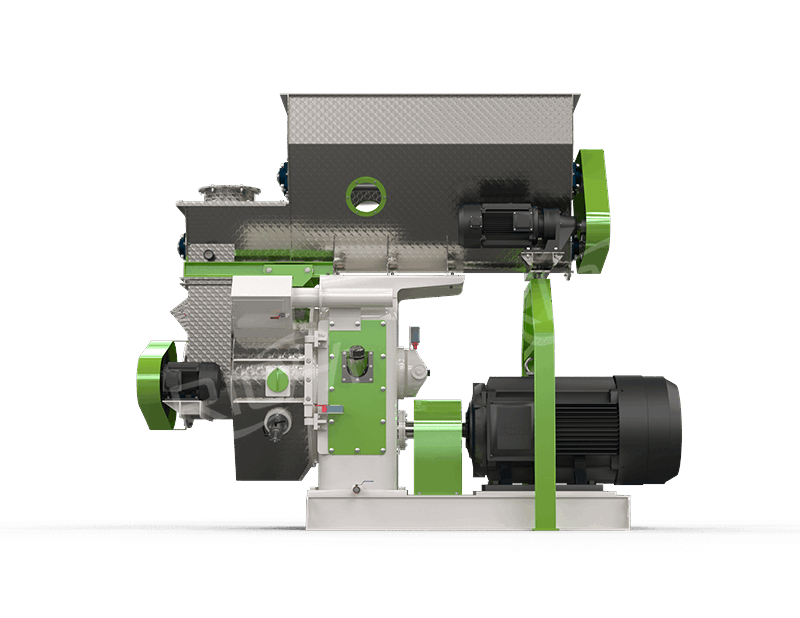
Cotton Stalk Pellet Mill Components
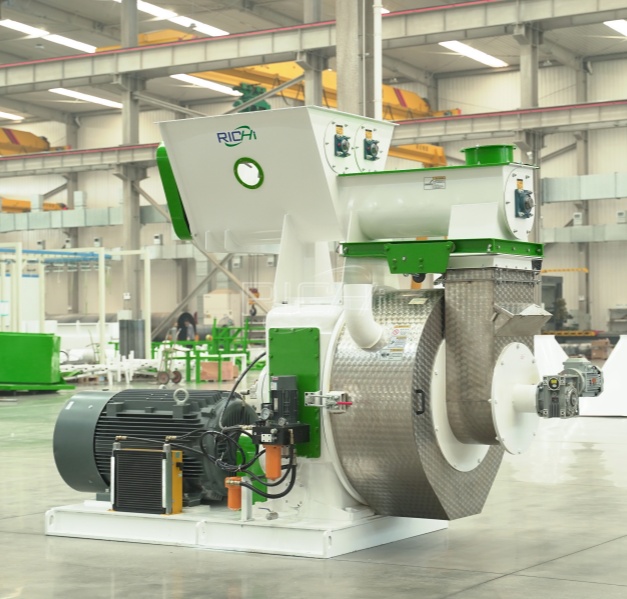
Cotton stalks have high lignification, hard texture, long fibers, and a strong tendency to tangle. Thorough processing is not easy. Therefore, the components of the cotton stalk pelleting mill are very important.
Arch-Breaking Feeder
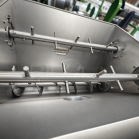
Installed at the variable frequency feed inlet, it has a double roller structure that can break up light raw materials piled up at the inlet and prevent arching and bridging.

Forced Feeder
It is responsible for forcibly pushing the materials transported from the feed port into the pelleting chamber, preventing them from stopping midway and avoiding machine blockage.
Ring Die
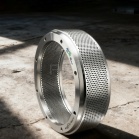
Made of 42CrMo alloy steel, it is highly wear-resistant and can easily handle cotton stalks with a high degree of lignification.
Pressure Roller
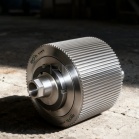
It is a biomass-specific pressure roller with many specially optimized grooves on its surface, which can firmly grip the material and prevent it from slipping.

Adjusting Rod
The gap between the ring die and the pressure roller can be adjusted to control the extrusion pressure of the feed and ensure the forming effect of the cotton stalk pellets.

Exhaust Port
When the cotton stalk pellet mill is working, the steam and hot air generated by the extrusion in the pelleting chamber will be discharged from here to prevent the machine from stalling.

Cotton Stalk Pellet Maker Parameters
The table below shows the parameters of our cotton stalk pellet mill. They apply widely to various production scales and working conditions. If you want to produce animal feed, you also need to add a conditioner and adjust the related parameters. We suggest you contact us first and tell us your production needs. We will recommend the most accurate cotton stalk pellet machine model for you.
| Model | MZLH320 | MZLH350 | MZLH420 | MZLH520 | MZLH678 | MZLH768 |
| Main Motor Power (kW) | 22 | 37 | 90 | 132 | 200 | 250 |
| Anti-bridge Feeder Power (kW) | 2.2 | 2.2 | 3 | 3 | 3 | 4 |
| Forced Feeder Power (kW) | 0.75 | 0.75 | 1.5 | 1.5 | 1.5 | 1.5 |
| Ring Die Inner Diameter (mm) | 320 | 350 | 420 | 520 | 673 | 762 |
| Finished Pellet Diameter (mm) | 4-12 | |||||
| Output (T/H) | 0.2-0.3 | 0.3-0.5 | 1.0-1.2 | 1.5-2.0 | 2.5-3.0 | 3.0-4.0 |
Note: The above production data is the output of the whole production line under rated working conditions. Actual output depends on raw materials and their moisture content. Please do not treat it as an absolute guarantee.
Cotton Stalk Pellet Mill Case Studies
Many countries around the world use cotton stalk pellet makers to process cotton stalks. Our products enjoy a good reputation at home and abroad. Customers in India, Pakistan, Brazil, Argentina, and other places have put them into use. Whether they produce fuel pellets or make cattle and sheep feed, this machine performs outstandingly.
3 T/H Cotton Stalk Pellets Machine in India
Pellet Diameter: 6–8 mm
The customer in this case runs a medium-sized feed mill. They did not pellet cotton stalks directly. They pre-treated the cotton stalks first. Then they mixed them with other raw materials in a set ratio and pressed the mix into compound ruminant feed pellets. We helped the customer focus on the blending ratio of cotton stalks. This reduced gossypol risk and kept the pellets palatable.
2 T/H Cotton Stalk Pellet Mill in Uzbekistan
Pellet Diameter: 8 mm
Local greenhouses and small boilers need seasonal heating. The customer built a 2 t/h production line with cotton stalks as raw material. The line supplies fuel to nearby greenhouses and boilers. Cotton stalks have low bulk density and strong fiber abrasion. We enlarged the feed inlet of this cotton stalk pellet mill. We also used wear-resistant material for the ring die.
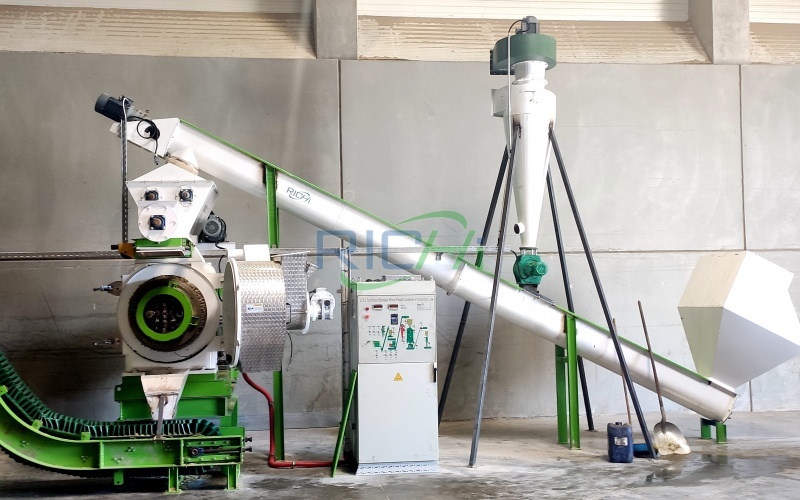
1–2 T/H Cotton Stalk Pellet Machine in Mali
Pellet Diameter: 6–8 mm
People in West African cotton areas need a lot of charcoal. In this project, the customer wanted to carbonize cotton stalks first and then pelletize them. The goal was to make civilian fuel pellets that better match local charcoal-burning habits. Carbonized raw material has poor binding property. We helped the customer match a suitable compression ratio. This ensured good pellet forming.
4 T/H Cotton Stalk Pelletizer in Brazil
Pellet Diameter: 8–10 mm
The customer wanted to build a cotton stalk pellet production line for industrial park heating, grain drying, medium-sized industrial boilers, and other scenarios. Besides the cotton stalk pellet machine, the customer also bought crushing and drying equipment. They paired the mill with wear-resistant ring dies. This setup lets the equipment run stably for a long time and feed material steadily.
3–4 T/H Cotton Stalk Pellet Press in Greece
Pellet Diameter: 8 mm
The customer wanted to make industrial/heating fuel pellets, not civilian pellets. They used cotton stalks with controlled moisture and impurities. Cotton stalks have high ash content and tend to slag during combustion. So the customer focused on ash control and impurity removal at the raw material end. We adjusted the compression ratio based on pellet strength. The pellet strength and combustibility met the customer’s expectations.
1–2 T/H Cotton Stalk Pellet Machine in Tanzania
Pellet Diameter: 6 mm
The customer uses local cotton stalks and corn stalks as raw materials. They add other concentrates as supplements. They make compound ruminant animal feed pellets. When choosing the model, the customer focused on easy replacement of the ring die and pressure roller. They also cared about easy routine maintenance.
Cotton Stalk Pellet Mill Advantages
Our cotton stalk pellet mill has gone through years of iteration and updates. It now has many advantages. It adapts to different application scenarios and needs. It makes cotton stalk pellet production more efficient. It brings customers more economic benefits.
The ring die of this cotton stalk pellet machine uses 42CrMo alloy steel. Heat treatment further strengthens its wear resistance. We finely machine the ring die holes. This lets materials extrude smoothly. You can match ring dies with different hole diameters and compression ratios based on raw material features and your required pellet size.
Wear-Resistant and Durable
Its main motor power ranges from 22 to 250 kW. It uses finely ground gears for transmission. This provides sufficient and stable power for the pressurization process and continuous production of the cotton stalk pelleting mill.
Powerful
We use a thickened steel structure for every cotton stalk pellet making machine. This gives stable support to core components. If the equipment overloads beyond the limit, the safety pin shears off. This triggers an interlock shutdown. It forcibly protects wear parts such as the ring die and pressure roller.
Safety Guaranteed

Cotton Stalk Pellets Production Process
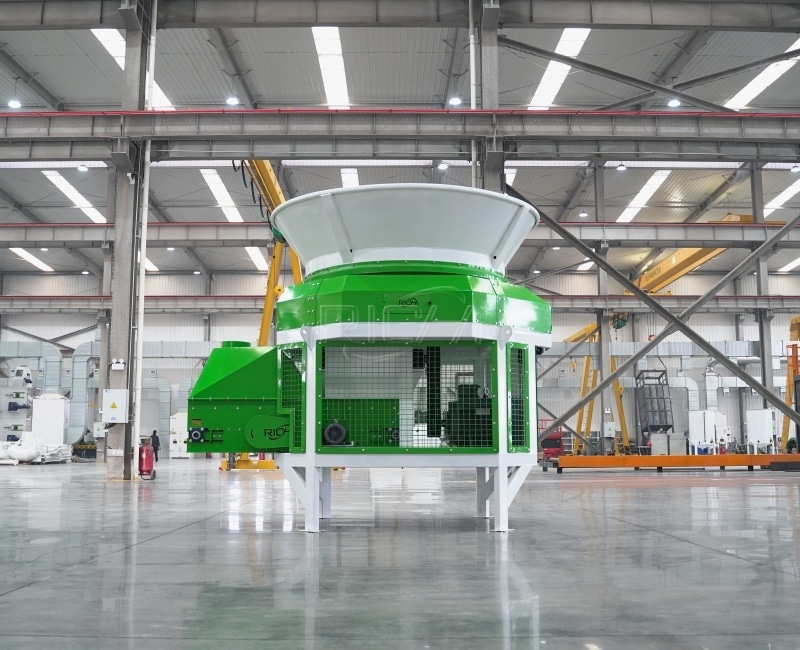
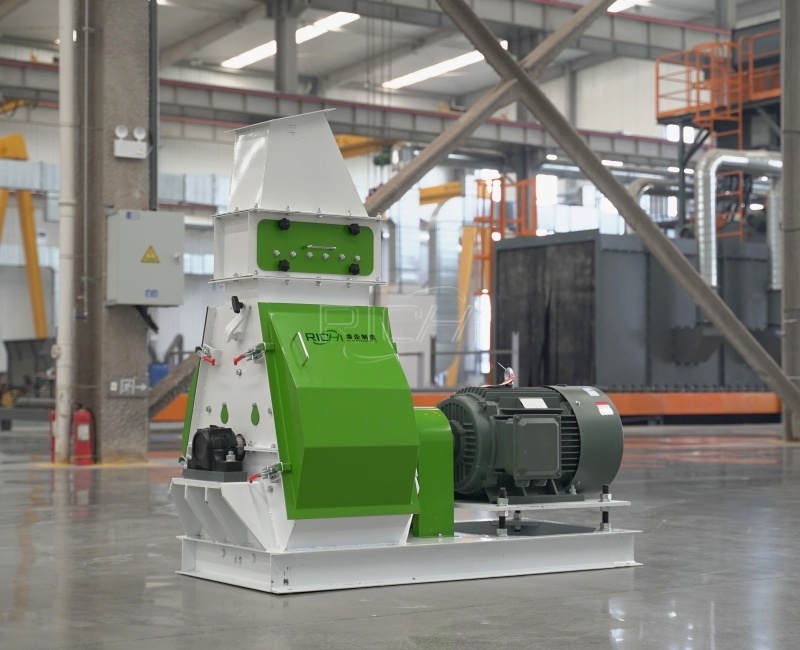
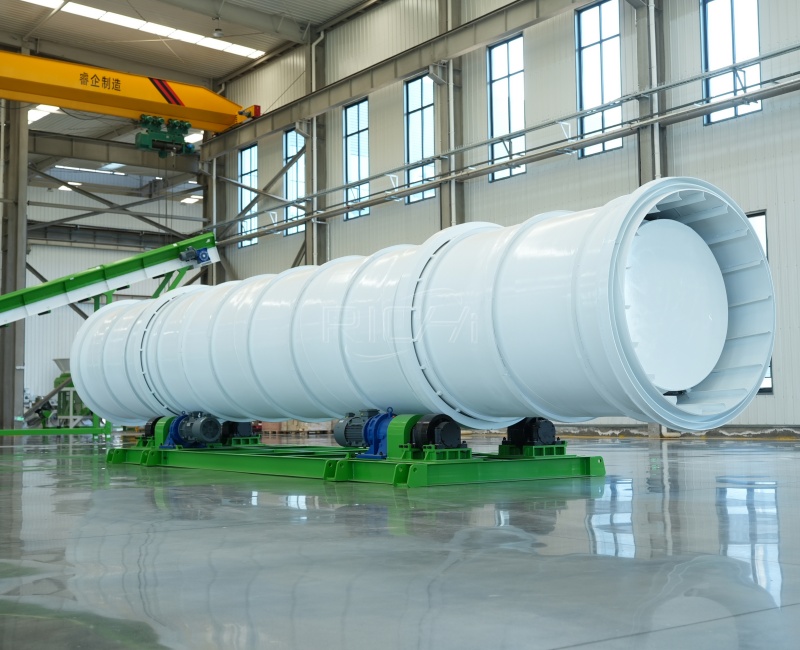
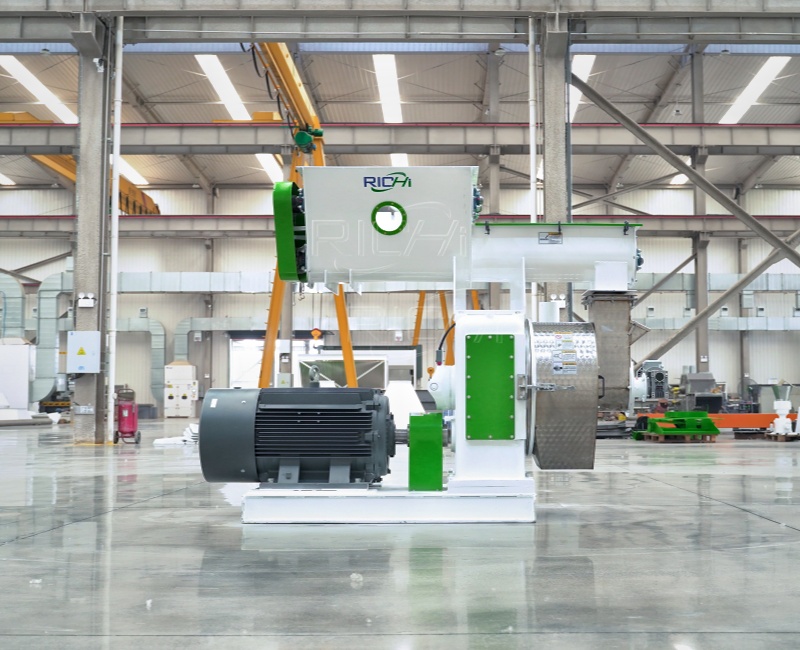
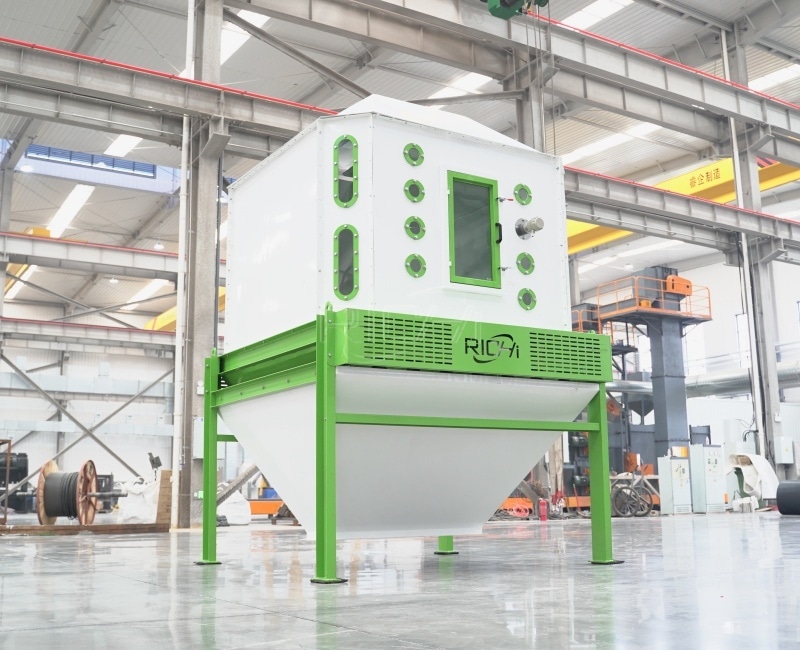
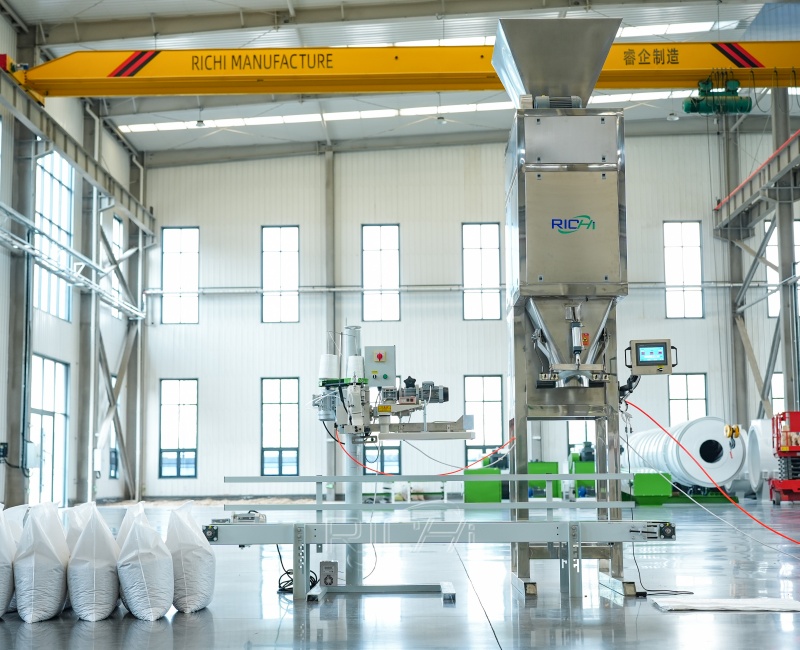
RICHI Machinery(睿企机械) is a professional pelleting equipment supplier. We have provided customers with thousands of pellet manufacturing production line solutions. We know what necessary processes a cotton stalk pellet production line should have. We also know what equipment makes high-quality cotton stalk pellets.
FAQ
Based on customer feedback over the years, we have compiled a list of common questions and answers. These may help you understand our cotton stalk pelleting machines more deeply. If you have other questions, please feel free to contact us.
Can this cotton stalk pellet mill process rice straw and corn stalks at the same time?
→
They can be processed, but the characteristics of their raw materials (such as fiber and lignin content) are different, and the wear resistance requirements for the ring die also differ. If you want to use rice straw and corn stalks specifically for pellet production in the long term, we have rice straw pellet mills and corn stalk pellet machines available for you.
What are the differences in processing technology when using a cotton stalk pellet machine to make fuel pellets and animal feed pellets?
→
| Comparison Item | Cotton Stalk Fuel Pellets | Cotton Stalk Feed Pellets |
|---|---|---|
| Preliminary Processing | You do not need special gossypol removal. | Control gossypol content; avoid direct pelletizing of cotton stalks. |
| Ring Die Compression Ratio | High ring die compression ratio | Low ring die compression ratio |
| Ring Die Hole Diameter | Mainly 8 mm and 10 mm | Mainly 4 mm and 6 mm |
| Conditioner | Usually you do not need steam conditioning, but you still need to control raw material moisture. | You need steam conditioning to gelatinize and cook materials. |
| Exhaust Port Use | Use full exhaust to prevent pellet cracking. | Use moderate exhaust to avoid excessive heat loss of pellet nutrients. |
| Finished Pellet Features | High firmness | Soft texture |
What costs do I need to consider when using a cotton stalk pellet making machine?
→
Besides the cotton stalk pellet mill price, consider procurement and transport of cotton stalk raw materials, electricity and heat sources, labor, wear parts, and maintenance costs. You need to consider this matter comprehensively and over the long term.
I already have some equipment for processing cotton stalks. Can they work with a new cotton stalk pelletizer?
→
Very likely yes. We can assess the processing capacity and interface of your existing equipment. Then we can make targeted adjustments to the cotton stalk pellet machine. This ensures a perfect match and smooth production.
What is the calorific value of cotton stalk pellets? What boilers can use them?
→
Cotton stalks are lignified biomass raw material. Their fiber content and ash content are a little higher than sawdust. Fuel pellets made from cotton stalks have a calorific value of about 3600–4000 kcal/kg. You can use them in biomass hot water boilers, steam boilers, heating stoves, biomass gasification furnaces, and other places.

Why Choose RICHI
Our cotton stalk pellet equipments have been sold to more than 140 countries and regions around the world. They have received wide praise from customers. This feedback comes from RICHI’s long-term project experience and a series of its own advantages.
Project Experience
30+
Years

Countries and Regions Served
140+

Projects Delivered
2000+

Factory Area
100,000+
㎡

About Us
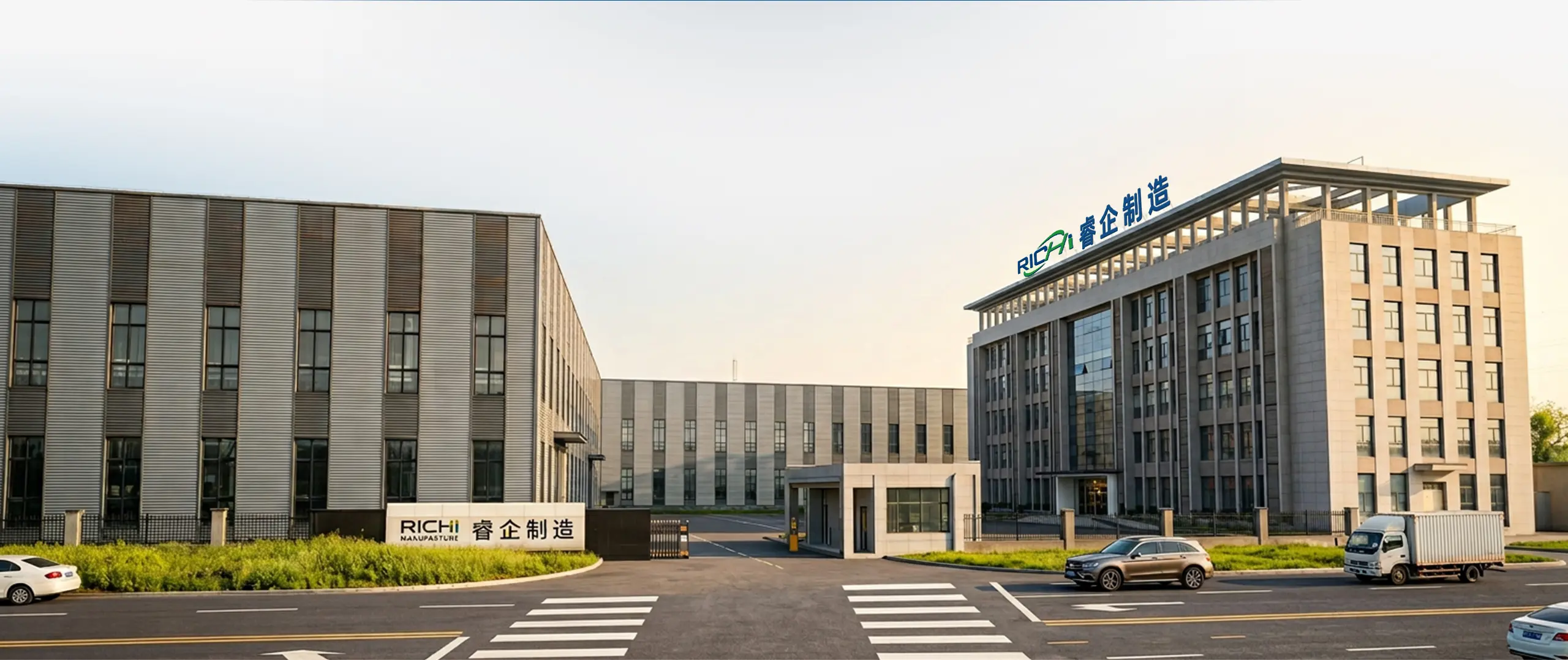
Henan RICHI Machinery Co., Ltd.,(睿企机械) established in 1995, primarily focuses on the research and development and manufacturing of feed machinery, biomass pelleting equipment, organic fertilizer pelleting equipment, and complete pelleting production lines. After more than 30 years of development, RICHI has become a professional pelleting machinery manufacturer. Our products are exported to over 140 countries and regions worldwide, earning the trust of customers both domestically and internationally.
Qualification Advantages
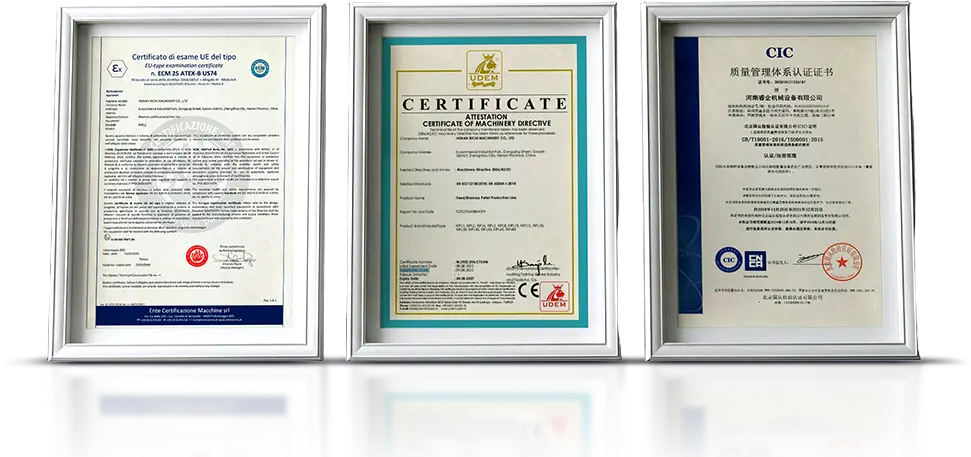
RICHI boasts numerous international authoritative certifications and patents, including ISO9001, CE, SGS, and TÜV. This means that the equipment you purchase can smoothly pass through customs and quality standards in various countries, with no customs clearance risks and compliant delivery. Choosing RICHI means choosing a guarantee of smooth global access and worry-free production.