
Goat Feed Pellet Making Machine


Product Information
What is Goat Feed Pellet Making Machine
Capacity: 0.5-40 T/H
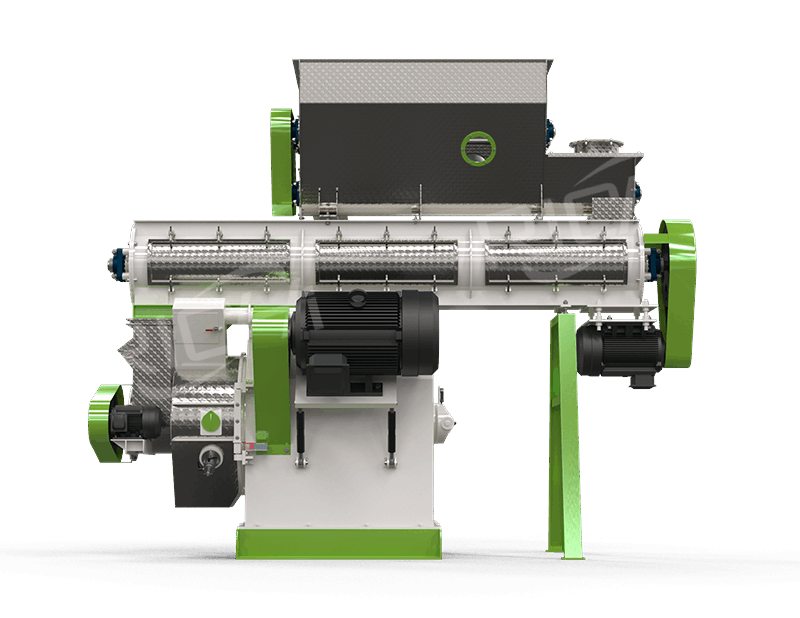
The RICHI goat feed pellet making machine is built specifically for goat nutrition. It handles a wide range of ingredients – alfalfa, straw, grains, and more – and turns them into uniform, dense, nutrient‑rich pellets. Capacities range from 0.5 to 40 tons per hour to fit different scales.
We focus on overseas goat farming and the commercial feed market, and we design our machines to meet the nutritional needs of goats at every growth stage. We work closely with quality‑minded customers and offer full customization. Get in touch – we’re happy to help.
Goat Feed Pellet Making Machine Videos
We want to help you produce high‑quality goat feed pellets. So before we offer any solution, we always customize the design to fit your specific needs. The video below shows you how our goat feed pellet making machines are installed and operated in different countries and under various plant conditions.

1–2 T/H Goat Feed Pellet Making Machine in Uzbekistan

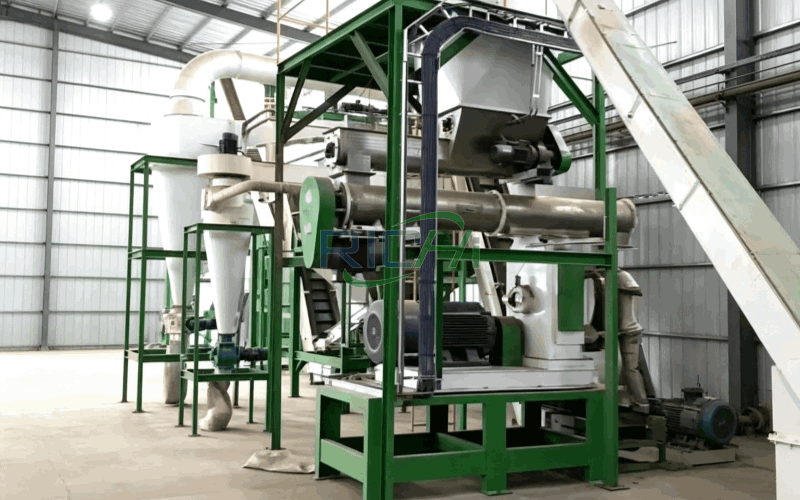
3 T/H Goat Feed Pellet Making Machine in Argentina
Core Components of Goat Feed Pellet Making Machine
Goat feed often contains bulky ingredients like corn and grass meal, which can make pelleting tricky. But RICHI goat feed pellet making machine uses precisely coordinated components to produce palatable feed that improves feeding efficiency.
Feed Inlet
Most goat feed ingredients are light and airy, so they don’t flow easily on their own – they tend to bridge and arch at the inlet. That’s why our goat feed pellet making machine comes with a variable‑frequency anti‑bridging device and a forced feeder. These two features work together to ensure a steady, even flow of material into the machine.
Conditioner
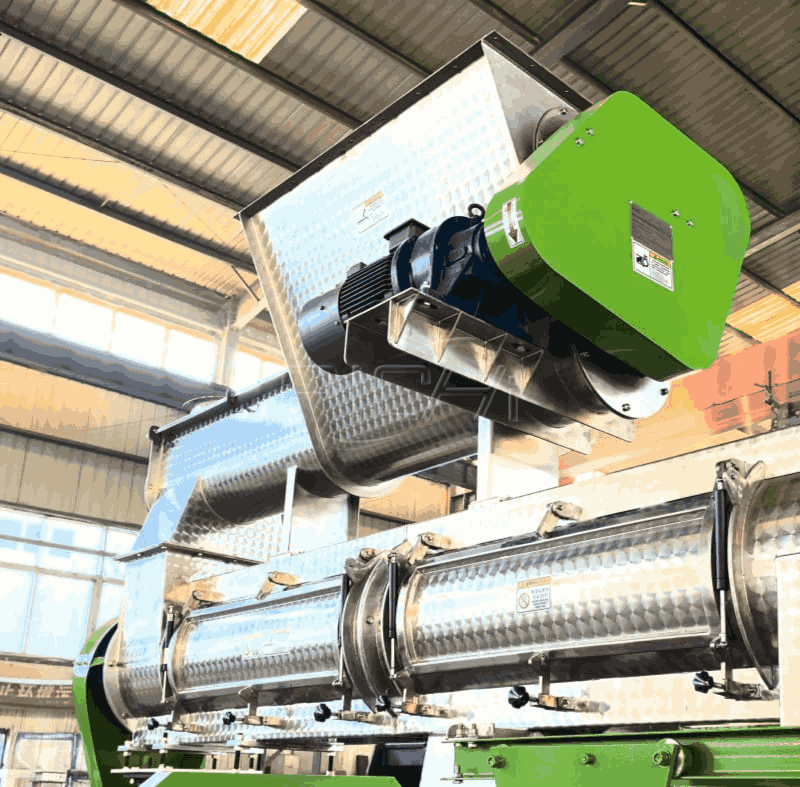
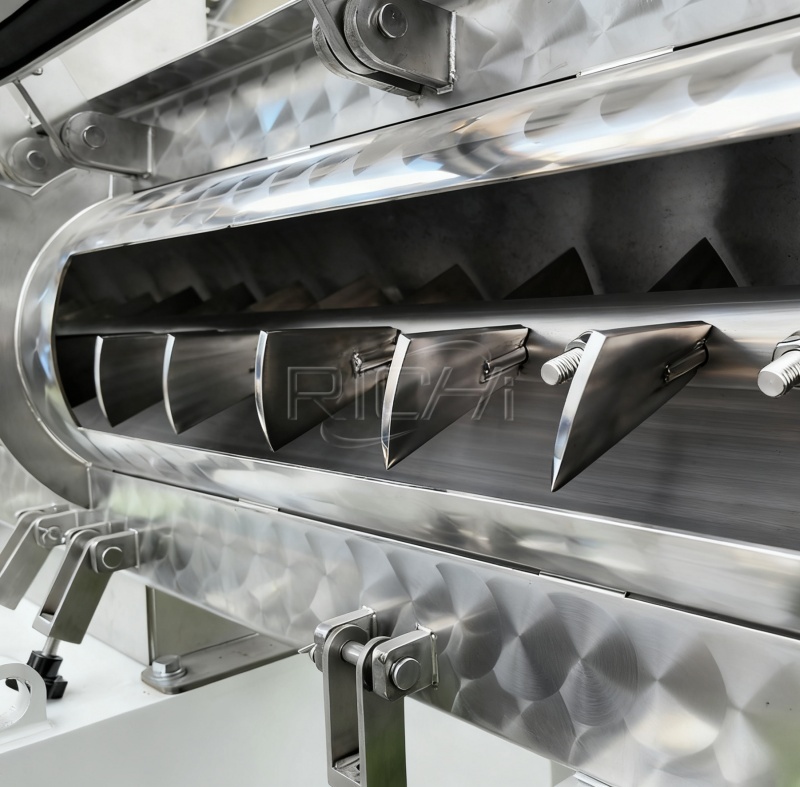
Compared to most conditioners on the market, RICHI’s conditioner has a wider barrel and a longer tube. That gives the material more room to mix thoroughly with high‑temperature steam, which gelatinizes the starch and makes the feed easier to form into pellets. The steam also locks in a natural aroma that makes the feed more appealing to goats.
Pelleting Chamber
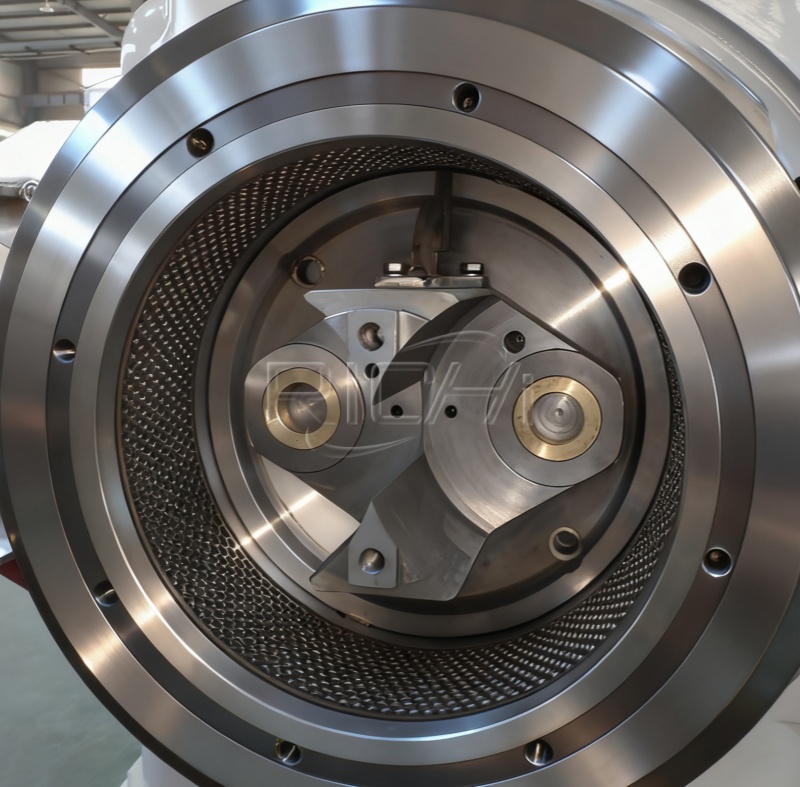
The pelleting chamber is equipped with highly wear‑resistant ring dies and rollers. The conditioned material gets squeezed between them and pushed out through the holes in the ring die, forming dense cylindrical strands. A cutter then chops them into uniform‑length pellets. You can adjust the pellet length by changing the distance between the cutter and the die surface.

Specifications for Goat Feed Pellet Machine
We offer two series of goat feed pellet making machines – one for grain‑based materials and one for forage‑based materials. Below you’ll find their specifications. If you’re unsure which model suits you, or if you need to process multiple materials with one machine, just contact us for a custom solution.
| Grain-Based Goat Feed Pellet Making Machine | ||||||||
| Model | SZLH250 | SZLH320 | SZLH350 | SZLH420 | SZLH508 | SZLH558 | SZLH678 | SZLH768 |
| Main Motor Power (kW) | 22 | 37 | 55 | 110 | 160 | 185 | 250 | 315 |
| Feeder Power (kW) | 1.1 | 1.5 | 1.5 | 1.5 | 1.5 | 1.5 | 1.5 | 2.2 |
| Conditioner Power (kW) | 1.5 | 4 | 4 | 7.5 | 7.5 | 11 | 11 | 11 |
| Die Inner Diameter (mm) | 250 | 320 | 350 | 420 | 508 | 558 | 673 | 762 |
| Pellet Size (mm) | 2-12 | |||||||
| Output (t/h) | 1.0-1.5 | 3-4 | 5-6 | 10-12 | 15-16 | 20-22 | 30-33 | 38-40 |
| Forage-Based Goat Feed Pellet Making Machine | ||||||
| Model | CZLH320 | CZLH350 | CZLH420 | CZLH520 | CZLH678 | CZLH768 |
| Main Motor Power (kW) | 22 | 37 | 90 | 132 | 185 | 250 |
| Arc Breaker Feeder Power (kW) | 2.2 | 2.2 | 3 | 3 | 3 | 4 |
| Forced Feeder Power (kW) | 0.75 | 0.75 | 1.5 | 1.5 | 1.5 | 1.5 |
| Die Inner Diameter (mm) | 320 | 350 | 420 | 520 | 673 | 762 |
| Pellet Size (mm) | 4-12 | |||||
| Output (t/h) | 0.5-0.6 | 1.0-1.2 | 1.8-2.0 | 2.8-3.0 | 4.0-5.0 | 6.0-8.0 |
Note: The output figures here show the rated capacity of a complete feed production line. Actual output will depend on factors like how well the raw materials are prepared (mixing and grinding), their moisture content, and the specific feed formula you use.
Goat Feed Making Machine Customer Cases
After learning about our series of goat feed pellet making machines, let’s take a look at a few real customer cases. Our pelletizers have been successfully delivered to 140+ countries and regions around the world, and are widely used in the pellet plant project of livestock feed, biomass, and organic fertilizer.
1–1.2 T/H Goat Feed Pellet Making Machine in Uzbekistan
Model: CZLH350
Raw Materials: alfalfa hay, wheat straw, cottonseed hulls, sunflower meal, corn
Customer Needs:
The client wanted to produce complete goat feed pellets on their own. They needed a goat feed pellet making machine that could handle the challenges of pelleting hay and prevent loose, crumbly pellets.
Results:
The machine produces 6‑8 mm pellets steadily. With pre‑ground forage, the pellets come out especially dense and firm, and the fines rate is very low.
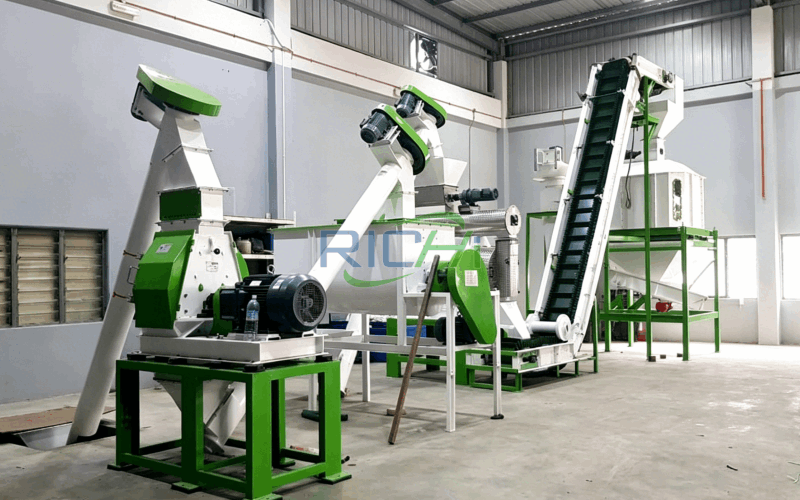
5–6 T/H Goat Feed Pellet Making Machine in Malaysia
Model: SZLH350
Raw Materials: corn, palm kernel meal, soybean meal, rice bran, and concentrate formula
Customer Needs:
The client runs a livestock group in a tropical area. Their previous equipment couldn’t handle the heat and humidity, so it didn’t last long. They wanted to solve that problem while also meeting the feeding needs of goats at different growth stages.
Results:
We optimized the machine’s design to fit tropical conditions perfectly. We also supplied custom ring dies with different hole sizes, so they can produce goat concentrate pellets in sizes ranging from 2 mm to 8 mm.
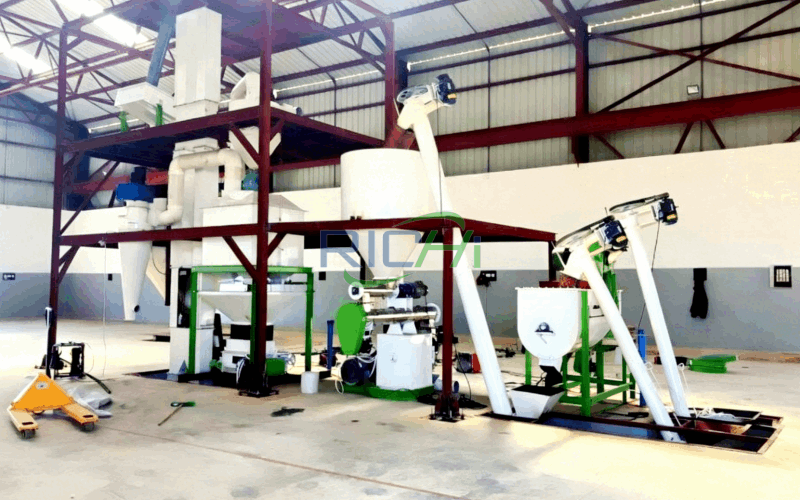
3–4 T/H Goat Feed Pellet Making Machine in Turkey
Model: SZLH320
Raw Materials: corn, wheat bran, soybean meal, sunflower meal
Customer Needs:
The client produces concentrate supplement pellets for goat farms. They needed a goat feed pellet making machine that could turn out smooth, uniform pellets without adding long‑fiber forage to the process.
Results:
With the help of our conditioning system, they consistently produce 4‑6 mm concentrate pellets, and the forming quality is excellent.
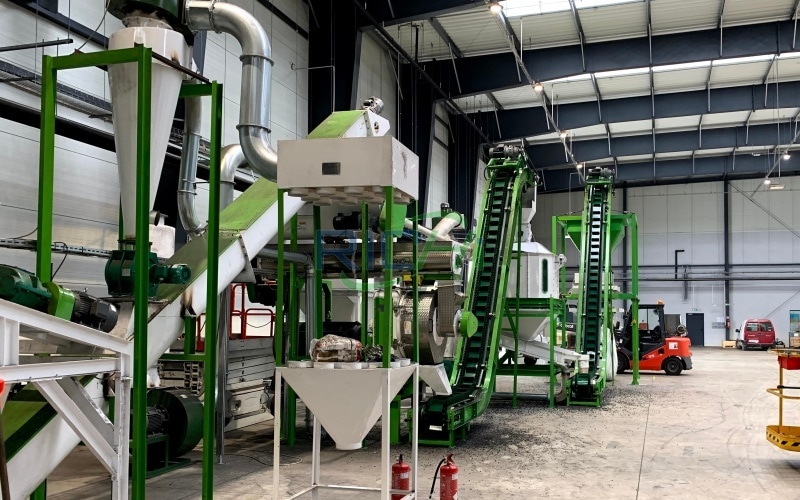
1.8–2 T/H Goat Feed Pellet Making Machine in Kyrgyzstan
Model: CZLH420
Raw Materials: mountain pasture grass, barley straw, alfalfa, rapeseed meal, wheat bran
Customer Needs:
The client wanted to supply commercial goat feed pellets to nearby goat farmers. Since local raw materials are high in crude fiber, they needed a goat feed pellet making machine with strong wear resistance.
Results:
This machine uses a ring die designed specifically for forage, so it handles high‑fiber materials very well. The pellets come out with moderate hardness, and production stays stable even in winter when forage supplies are tight.
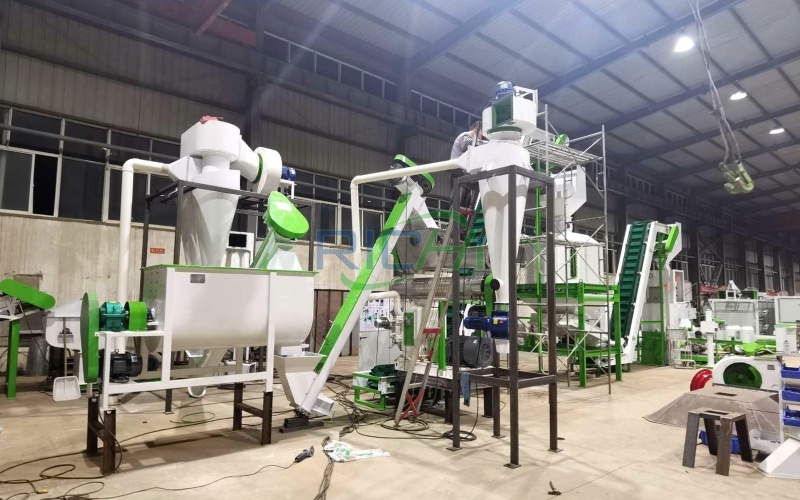
0.5–0.6 T/H Goat Feed Pellet Making Machine in Ethiopia
Model: CZLH320
Raw Materials: crop straw, wild hay, corn, peanut meal
Customer Needs:
The client runs a small goat fattening operation. They wanted a compact, easy‑to‑use pellet mill that could produce feed pellets to support healthy goat growth.
Results:
This is a small machine with a compact footprint and low maintenance requirements – just what they were looking for. More importantly, it processes their existing raw materials into complete goat feed pellets without waste.
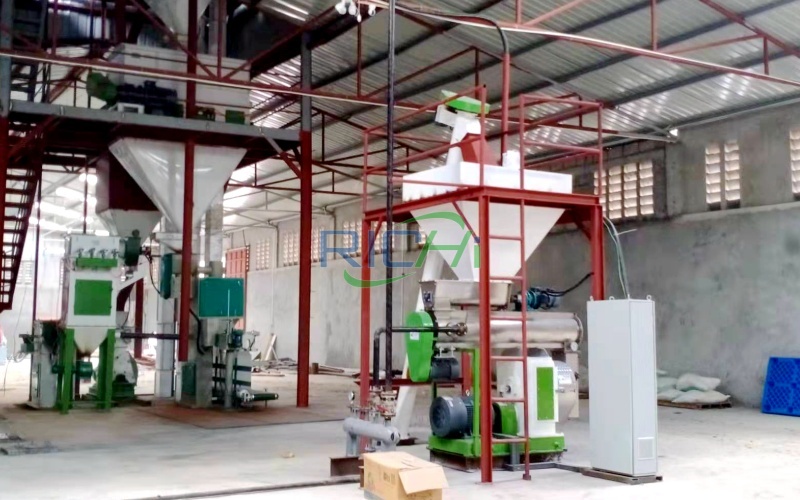
5–6 T/H Goat Feed Pellet Making Machine in Nigeria
Model: SZLH350
Raw Materials: sorghum flour, peanut meal, palm kernel cake, fish meal, salt
Customer Needs:
The client is a startup planning to supply goat fattening concentrate to the local market. They needed goat feed making machine with high automation and fast output to capture the dry‑season feeding market.
Results:
This model runs steadily at 5.5 T/H. The conditioner brings the material temperature up to 80°C, which effectively kills Salmonella. The pellets have a smooth surface, and the client told us the palatability is even better than some imported brands.
Advantages of Goat Feed Making Machine
RICHI’s goat feed pellet making machine turns waste into value by converting low-value, high-fiber waste materials into high-value, nutritious livestock feed. This capability stems from the following advantages:
The RICHI goat feed pellet making machine utilizes a heavy-duty gearbox for power transmission. This system is smoother and more efficient than traditional belt drives, allowing it to easily handle the high loads associated with processing high-fiber materials.
Stable Transmission
The goat feed pellet making machine is designed with a specialized, wear-resistant ring die featuring a high compression ratio. This enables effective compression—even with high-fiber materials like alfalfa and crop stalks—resulting in dense, uniform feed pellets.
High Adaptability
The entire pellet machine body is constructed using thickened steel and robust welding techniques, while core components are sourced from international brands. This ensures high hardware quality and significantly extends the equipment’s service life.
Durability and Reliability
Application Scenarios for Goat Feed Pellet Machine
RICHI goat feed pellet machine is a versatile machine. It produces feed that suits goats at different growth stages. You can easily adjust the feed formula, or contact us to customize ring dies with different hole sizes. That way, you can produce goat feed pellets from 2mm to 12mm. Below are some common application scenarios.

Large-Scale Goat Feedlot
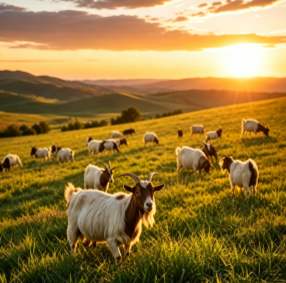
Grassland-Based Grazing Farm
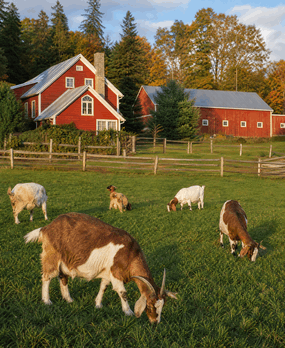
Family Ranch
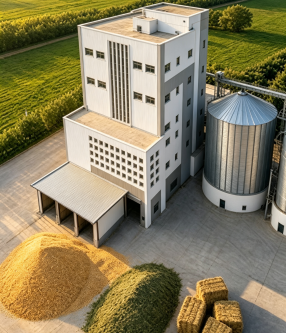
Goat Feed Production Plant
How to Produce High-Quality Goat Feed Pellets
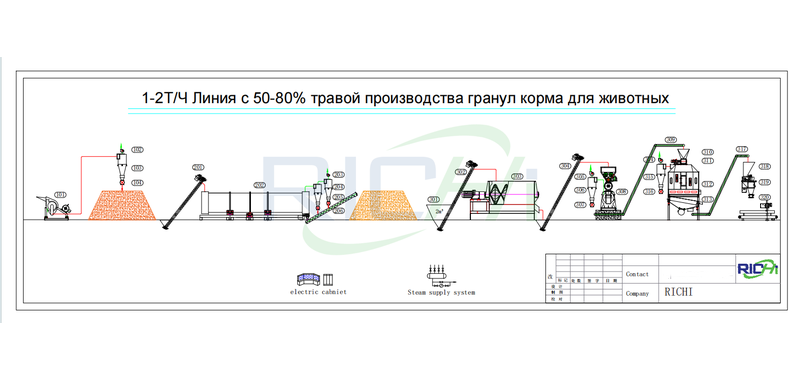
The image below shows a goat feed pellet production line that a client in Uzbekistan purchased. It processes feed containing 50‑80% forage, and they use it to produce high‑quality, palatable goat feed. We’ll walk you through the production steps they follow – you can use this as a reference.
01.
Crushing
To make goat feed pellets, you typically need ingredients like alfalfa, hay, and straw. These materials are bulky and have long fibers, so you need to grind them first into a fine, uniform powder during the pre‑treatment stage. This helps with accurate ingredient proportioning later on, keeps the pelleting process stable, and improves the quality of the final pellets.
02.
Drying
Some raw materials pick up moisture during storage, or they naturally contain too much water to go straight into the goat feed pellet making machine – so drying is necessary. In our Uzbek client’s line, the drying stage plays an important role. It controls the moisture content precisely, which makes the pellets easier to form.
03.
Mixing
To produce good‑quality goat feed pellets, you can’t rely on just one ingredient. You need to blend different nutritional components so every pellet gets a balanced mix. The mixing stage is key here – we use mixers to break down each ingredient thoroughly and combine them in accurate ratios.
04.
Pelletizing
Perhaps when making cattle feed pellets, you will prepare your own exclusive recipe. Our mixing section can help you precisely mix the ingredients and place them in the mixing equipment. Through high-speed stirring, they will be fully mixed.
05.
Cooling
After the uniform mixture is sent at a certain speed into the pelleting machine’s conditioner, they will stay here for a period of time. Here, the cattle feed ingredients and steam will be fully mixed, achieving the effects of maturation, gelatinization, and sterilization of the ingredients. After coming out of the mixer, they enter the pelleting chamber. The press rollers will squeeze these ingredients out as long strips, and then they will be cut by the cutter into a fixed length. Thus, uniform feed pellets are formed.
06.
Screening
Screening usually comes right after cooling. Pellets drop straight from the cooler onto a vibrating screen. This step sorts the finished pellets carefully – it removes any oversized or broken ones and keeps only those that match your size requirements. Good‑looking pellets are easier to sell, too.
07.
Packaging
This brings us to the final stage of the whole production process. We supply weighing and packaging equipment that runs fully automatically. You just set the weight you want per bag, and the machine handles the weighing and sealing. It keeps the packaging clean and intact, and it takes a lot of the manual work off your hands.
Auxiliary Equipment in Goat Feed Pellet Production Line
Now that you’re familiar with the production process, let’s take a closer look at the auxiliary equipment you might need alongside the goat feed pellet making machine itself. Whether you can consistently produce firm, durable pellets depends a lot on how well you set up and operate this supporting equipment.
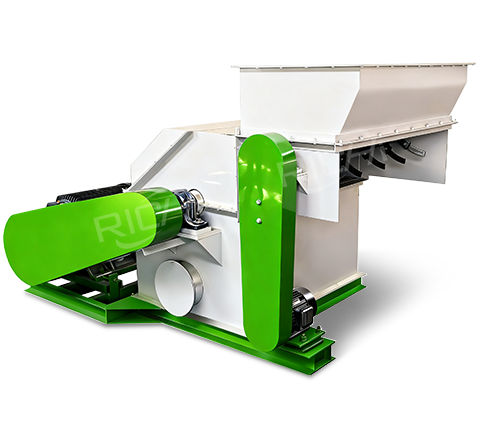
Forage Grinder
This machine uses a multi‑blade rotor or hammer structure to chop and grind long‑fiber forage into a powder of about 3‑5 mm. You can control the final fineness by adjusting the screen size.
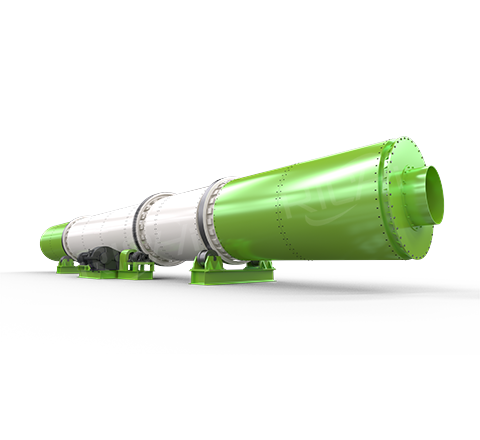
Goat Feed Ingredient Dryer
As the drum rotates, the lifting plates scatter the material so it makes full contact with the hot air flowing through the drum. This quickly removes excess moisture and brings the material’s moisture content down to around 12%‑14%.
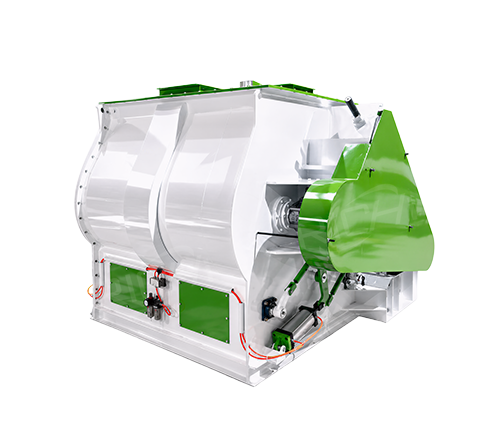
Goat Feed Ingredient Mixer
This machine uses twin‑shaft paddles or ribbon‑style mixing to blend all ingredients evenly in a short time. We keep the coefficient of variation (CV) below 5%, so every pellet gets balanced nutrition.

Goat Feed Pellet Cooler
The cooler uses counter‑flow or parallel‑flow air to gradually bring the pellet temperature down to room level. It also removes extra moisture and hardens the pellet surface, making the pellets more durable.
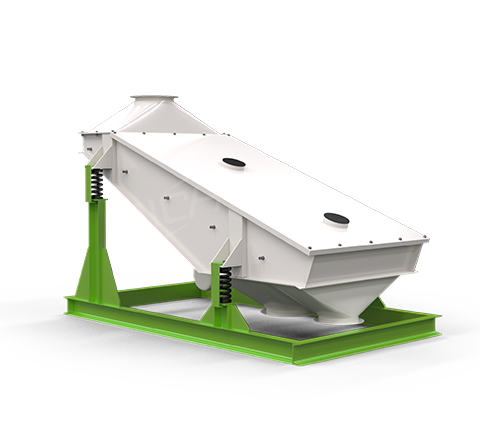
Vibrating Screen
This machine uses high‑frequency, low‑amplitude vibration across multiple screen layers with different hole sizes. It separates whole pellets from fines and broken pieces, so only the good ones move forward – giving you a clean, uniform finished product.
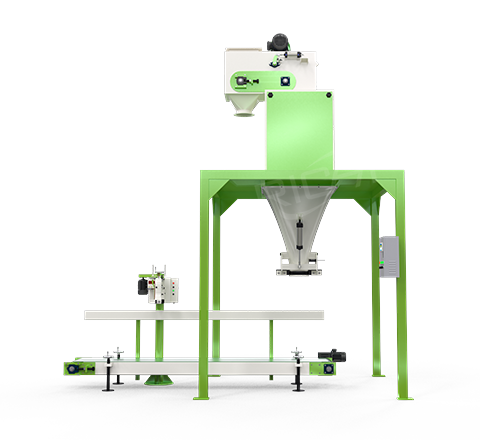
Packaging Machine
This unit combines automatic feeding, electronic weighing, and bag sealing. You can set the weight per bag to common sizes like 10‑50 kg, and the error margin stays within ±0.2%.

Our Service
To help you get the right goat feed pellet making machine, we offer a complete service package that covers solution design, equipment production, shipping, on‑site training, and after‑sales support.
Project Experience
30+
Years

Countries and Regions Served
140+

Projects Delivered
2000+

Factory Area
100,000+
㎡

About Us
Henan RICHI Machinery Equipment Co., Ltd., established in 1995, primarily focuses on the research and development and manufacturing of feed machinery, biomass pelleting equipment, organic fertilizer pelleting equipment, and complete pelleting production lines. After more than 30 years of development, RICHI has become a professional pelleting machinery manufacturer. Our products are exported to over 140 countries and regions worldwide, earning the trust of customers both domestically and internationally.

Qualification Advantages
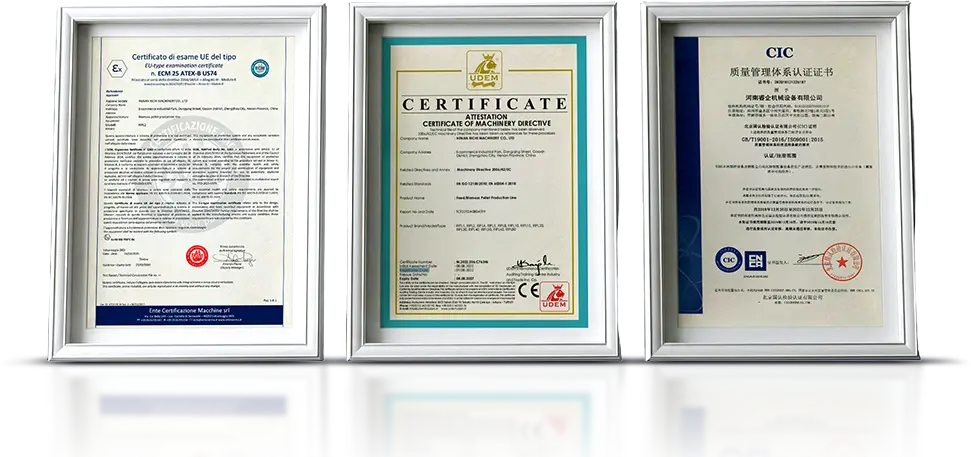
RICHI boasts numerous international authoritative certifications and patents, including ISO9001, CE, SGS, and TÜV. This means that the equipment you purchase can smoothly pass through customs and quality standards in various countries, with no customs clearance risks and compliant delivery. Choosing RICHI means choosing a guarantee of smooth global access and worry-free production.
FAQ
You probably still have some questions. The answers below may help, and if anything else comes up, just reach out to us.
What raw materials can this pellet making machine handle?
→
Our goat feed pellet making machine is quite versatile – it processes many types of materials. Here are some common ones our customers often use:
Premixes: salt, limestone powder, trace elements, etc.
Energy sources: corn, wheat bran, sorghum, barley, rice bran, etc.
Protein sources: soybeans, soybean meal, rapeseed meal, cottonseed meal, peanut meal, etc.
Roughage: forage grass, straw, hay, etc.
Agricultural by‑products: distillers’ grains, tofu residue, apple pomace, sweet potato residue, etc.
Why do the pellets sometimes turn out loose or uneven in shape?
→
This can happen for a few reasons – like improper moisture control, insufficient grinding fineness, or incorrect gap adjustment between the ring die and rollers.
If you run into poor pellet formation during production, we can provide a full debugging plan and technical support to get things back on track.
Can this goat feed pellet making machine produce pellets in different diameters?
→
Absolutely. We offer ring dies with different hole sizes. You just swap the die and you’re ready to produce a different pellet diameter – which lets you match the feed to goats at different growth stages.
Do you support on‑site testing before purchase?
→
Yes. You can bring your raw materials to test the goat feed pellet making machine on site. Or you can contact us for our factory address and send your materials over – we’ll run the test, evaluate pellet quality and production stability, and make sure you’re satisfied before you place your order.
How soon can you ship after I place an order?
→
For standard models, we ship from stock right away. For custom orders, we’ll consider all relevant factors and let you know the specific delivery timeline in advance.
Do you offer technical guidance after I buy the machine?
→
Of course. We provide 24/7 remote technical support for all our customers. That means online help through every step, plus – if you need it – recipes and tips for making the perfect goat feed pellets.

