According to different customer needs, RICHI
Wood Pellet Production Line in USA
Want to turn wood waste – from a costly disposal problem – into a steady source of profit? One production line is all it takes.
RICHI Machinery has long focused on exporting wood pellet lines for raw logs, sawdust, and scrap wood. This particular line is a custom‑designed solution we built for a U.S. wood processing company. Construction started in 2020. The line now runs at 10 tons per hour and has already brought in solid returns for the client.
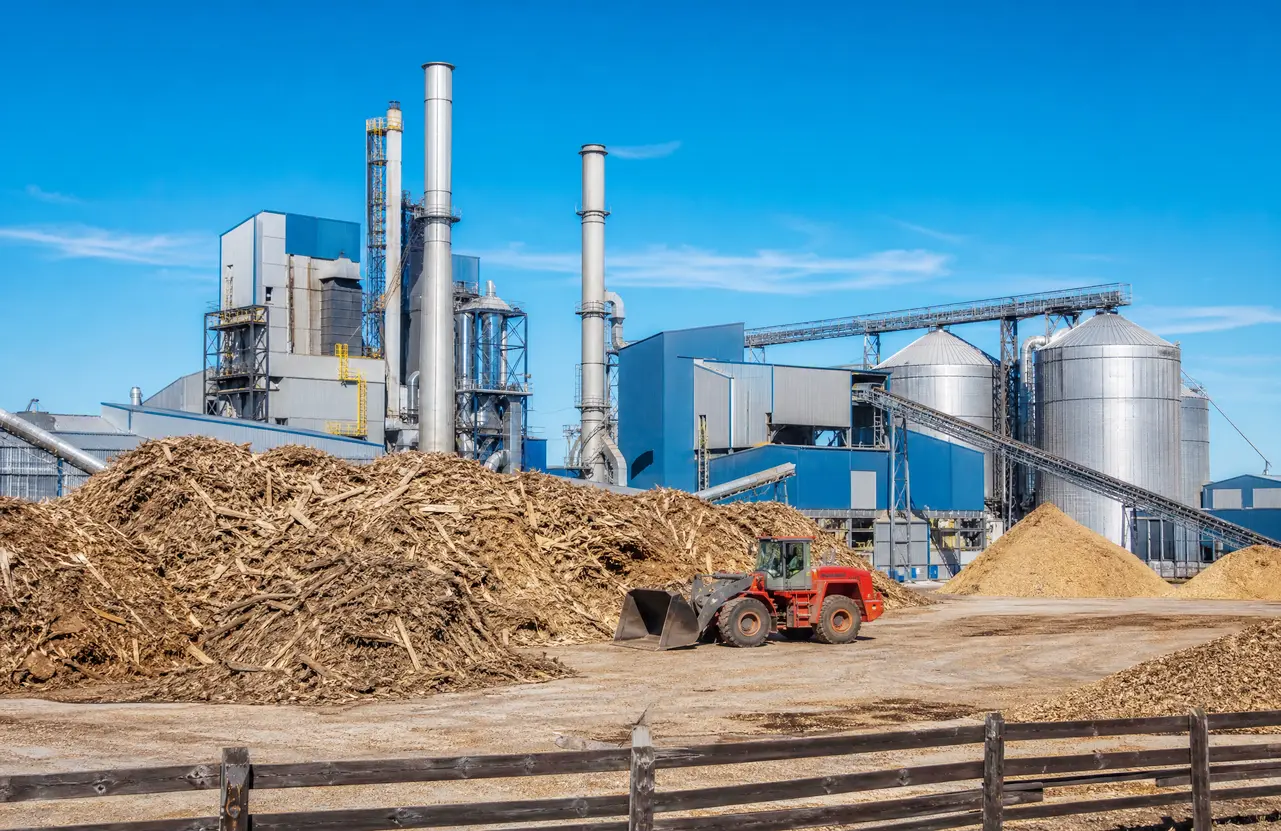
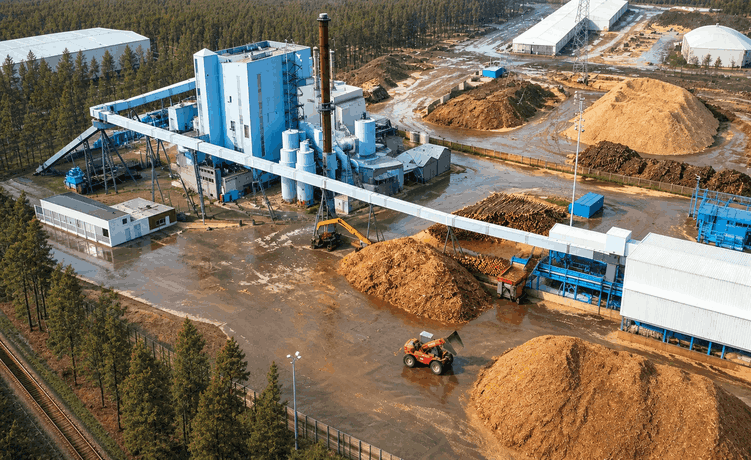
Overview of USA Wood Pellet Production Line
The client is a medium‑sized wood processing company in the U.S. They’ve been in business for decades and generate a large amount of wood waste every day. They wanted to set up a wood pellet line with a capacity of 10 tons per hour, turning that waste into biomass fuel and creating a new profit stream. Their main requirements: the line had to handle wood with impurities, and the equipment needed to be tough and long‑lasting.
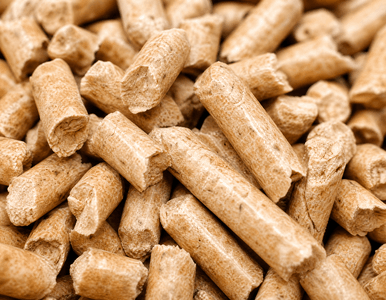
Wood Pellet Diameter: 6–8 mm
Raw Materials: construction waste wood, furniture factory offcuts, timber processing residues, sawdust, and wood chips
Installation Period: 45 days
Facility Size: 22 m × 15 m × 8 m (L × W × H)
Estimated Price: US$1.3 million
Production Process of Wood Pellet Plant in USA
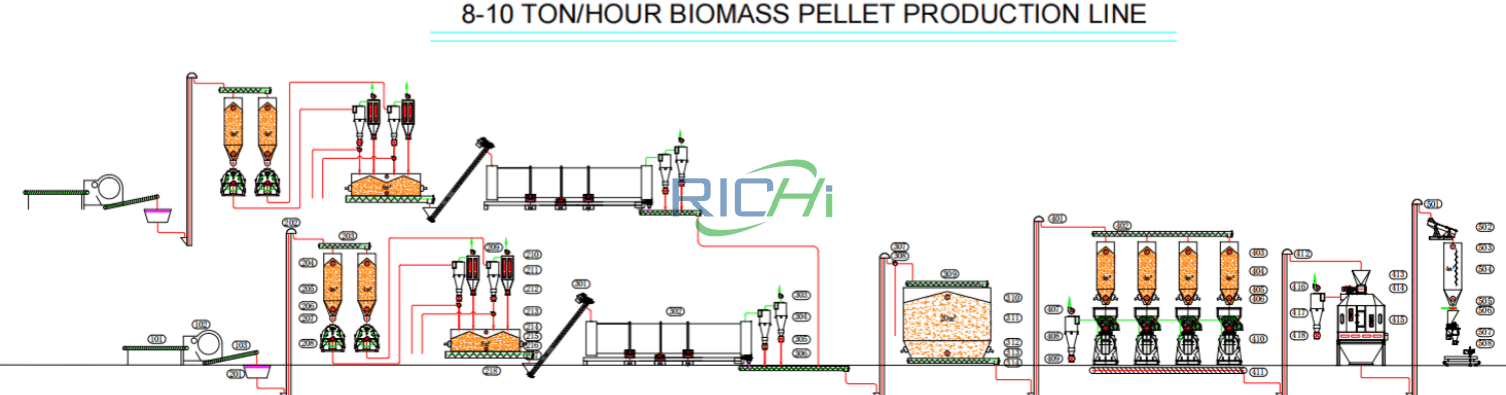
To produce high‑quality wood pellets, we carefully designed several key stages for the client’s line. We also laid out the equipment based on their factory floor space, so the workflow runs smoothly and efficiently.
01
Crushing
The client works with a wide variety of materials, and processing them takes time. So we set up two crushing stages running in parallel at the start of the line. First, the pallet shredder does the coarse crushing, then the hammer mill handles the fine grinding. Together, they reduce the material to a smaller size before it moves to the next stage.
02
Drying
After crushing, the material goes through drying. The goal is to control the moisture content and bring it to the right level – dry enough to prevent clogging in other equipment, but not over‑dried. We gave the client two rotary dryers running side by side to boost drying efficiency.
03
Pelleting
We installed four high‑efficiency wood pellet mills on this line, each capable of 2 tons per hour. They press the dried wood material into dense, high‑calorific fuel pellets. The actual output has exceeded expectations and meets the client’s target of 10 tons per hour.
04
Cooling
After pelleting comes cooling. The pellets leave the mills and are carried by conveyor belts and bucket elevators into the cooler. There, they go through the cooling process – they harden up and reach a stable temperature, which makes them easier to store later on.
05
Screening
The cooled pellets then move to the vibrating screen. It uses high‑frequency vibration to separate intact pellets from broken ones and fine dust. The good pellets are sent straight to a storage bin, where they wait for the next step – weighing and packaging.
06
Packaging
This is the final stage of the line. Pellets from the storage bin drop onto the scale. Operators hold the bags in place while the machine weighs and fills them to the preset weight. Once packaged, the pellets are ready for storage or shipment.
Equipment for USA Wood Pellet Production Line
The client wanted a production line with a high level of automation and good product quality. We looked at their factory space and cost control needs, and then carefully selected the key pieces of equipment below. Each one handles a different stage of the process and brings out the best in the line.

This machine uses a heavy‑duty cutting structure designed for raw materials mixed with metal objects. It chips them into coarse wood pieces of 10‑80 mm in one pass. The casing is reinforced for extra strength, the blades are wear‑resistant, and the machine comes with overload protection.
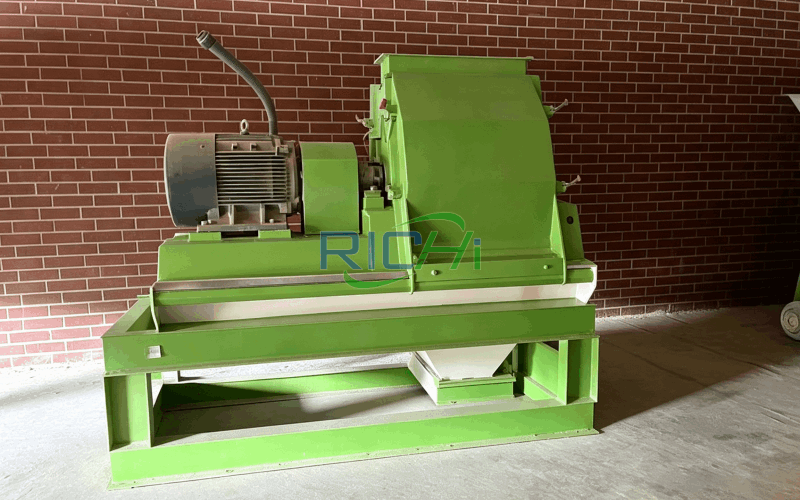
Wood Hammer Mill Machine
It uses repeated impact, shearing, and grinding between the hammers and the toothed plates to turn coarse wood chips into fine powder (≤3 mm). It comes with a screen – you can swap screens with different hole sizes to control the output fineness.
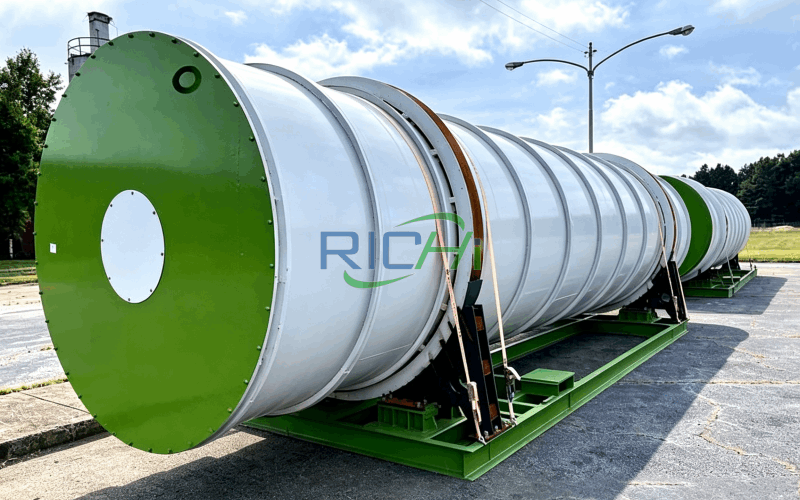
Inside the dryer drum, we’ve installed lifting plates in a spiral pattern. As the drum rotates, they lift and scatter the material, so it makes full contact with the hot air. This gives you even drying and lets you control the moisture content precisely within the 12%‑18% range.
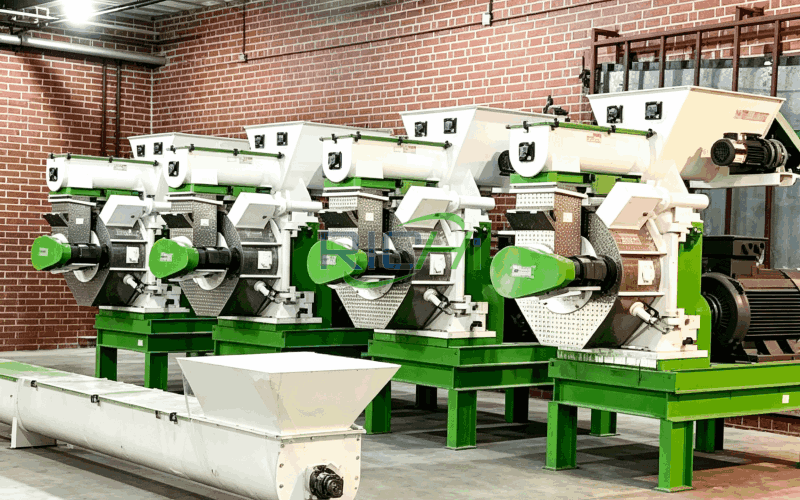
Each pellet machine is powered by a 132kW main motor and comes with a high‑precision ring die and biomass‑specific rollers. Together they compress the material into dense pellets. By using custom ring dies with different hole sizes, you can produce pellets from 4 mm to 12 mm in diameter.
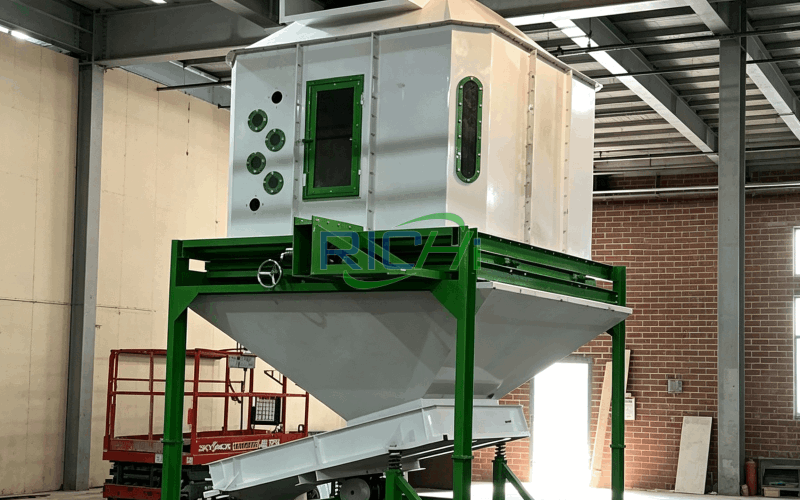
Cooling Machine
This machine directs cool air upward from the bottom through the material, creating a counter‑flow heat exchange with the hot pellets. The cool air is distributed evenly inside, so you avoid sudden temperature drops that could cause pellet cracking.

Vibrating Screen
It has 2‑3 layers of stainless steel mesh. With an inclined screen surface and high‑frequency, low‑amplitude vibration, the material moves forward in a bouncing motion. The top layers separate out larger pellets, while the bottom layers remove fines and powder.

Highlights of the US Wood Pellet Production Line
Before building the equipment, we took a close look at the client’s raw materials, target capacity, and other needs. The result is this customized wood pellet line – and it comes with some standout design features.

Advantages for Setting Up Wood Pellet Line
Building a full wood pellet line is no small task. This client made the decision after carefully weighing their own strengths and having detailed discussions with us. Below are some of their natural advantages – you can use them as a reference. If you’re not sure whether a production line is right for you, feel free to reach out and ask.

Rich Raw Material Sources
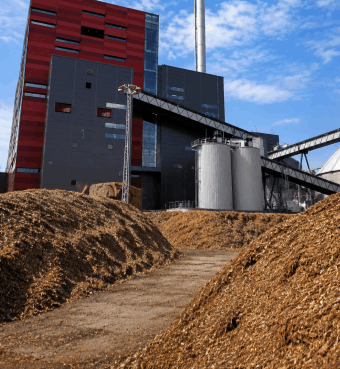
The client’s factory sits in a major U.S. wood processing region. There are many wood mills, furniture plants, and construction waste recycling centers nearby – including their own facility. All of them generate tons of waste wood, sawdust, and scrap every day. The client can buy this waste material at very low prices from neighboring factories, since those plants would otherwise have to pay to dispose of it. That means low material costs and a steady, abundant supply.

Existing Customer Base
This client has been in the wood processing business for decades. Over that time, they’ve built up a strong network of customers – biomass power plants, heating companies, and others that regularly buy wood-based fuels. These customers are already familiar with wood pellets, so once the line is up and running, they won’t have trouble finding buyers.

Strong Market Demand
The U.S. is one of the world’s leading exporters of wood pellets, and there’s also solid domestic demand. These pellets have a wide range of uses – home heating, power generation, and industrial heating. There are several biomass power plants near the client’s location too. The short transport distance helps save on logistics costs.
Favorable Policy Environment
U.S. policies on biomass energy have remained stable and supportive for years. Both federal and state governments offer various incentives. After setting up the line, the client can also apply for relevant subsidies and financial support.
Other Pellet Production Line Solution
Based on this 10‑ton production line case, we can also offer other solutions for U.S. clients – feed pellet lines, organic fertilizer lines, and more. If you have any related needs, feel free to reach out to us anytime.
Ruminant Feed Pellet Line
This line is built for large‑scale U.S. operations – beef cattle, dairy cows, and meat sheep. It grinds and mixes forage, straw, and grains evenly, producing high‑protein, nutritious pellets.

Poultry Feed Pellet Line
This line processes corn, soybean meal, wheat bran, and similar ingredients. You can also adjust the pellet diameter to match different growth stages of poultry.

Cat Litter Line
This line serves the U.S. premium pet market. It produces eco‑friendly, biodegradable cat litter – including bentonite, tofu, and pine‑based options.

FAQ
Some clients have questions about this U.S. production line. We’ve put together a list of the most common ones and provided answers below.
Can I just buy one wood pellet machine, or do I need the whole line?
→
The wood pellet machine is just one key piece of equipment in the pelleting process. We generally recommend getting at least the core pieces – crusher, pellet mill, and cooler – together. Buying just a single mill makes it hard to guarantee pellet quality. A complete line can be configured to include everything you need, based on your own situation.
Our U.S. client actually wanted to buy just one mill at first. But after looking into it, they realized that pre‑processing and post‑pelleting handling were just as important. So they ended up going with the full line – and in the long run, that gives them a much better return.
Can the line be upgraded later if I want to expand capacity?
→
Yes. We usually leave room for expansion when we design the line – like adding extra power connections or making the bins a bit larger. If you’ve built a line with us and later plan to scale up, just contact us and we’ll help with the design.
Can I visit this production line or see another client’s site?
→
To protect our clients’ privacy, we can’t share their factory addresses. But if you want to see the equipment in action or check its quality, we offer two options. One: we can send you videos to give you a general idea remotely. Two: you’re welcome to visit our own factory and see the pelletizing process in person – we’d be happy to host you.
Can this line process other materials too?
→
Yes, our equipment is quite versatile. It can handle common materials like waste wood, shavings, and sawdust. But different materials have different moisture content, so the equipment setup may need to be adjusted. The U.S. client mainly processes waste wood. If you need to work with other materials, just contact us and we’ll design a line that fits your needs.
How much does the whole line cost?
→
The customized line we built for this U.S. client came to $1.3 million. The reason it’s more affordable than some other suppliers is that our supply chain is fully integrated – we manufacture most of the core equipment ourselves. Plus, we sell directly to you, with no middleman markups.

Process of Setting Up USA Wood Pellet Production Line
What did the whole process look like, from the client’s first inquiry to the final installation and production start? By looking at how we served this US customer step by step, you’ll get a better idea of what it takes to put together a suitable production line.
Project Preparation
We asked the client in detail about their raw materials, production needs, and target capacity. Our engineers then designed a production line plan and sent it over for approval. If anything didn’t feel right, we discussed it and made changes until we settled on the final 10‑ton‑per‑hour wood pellet line design.

Equipment Manufacturing
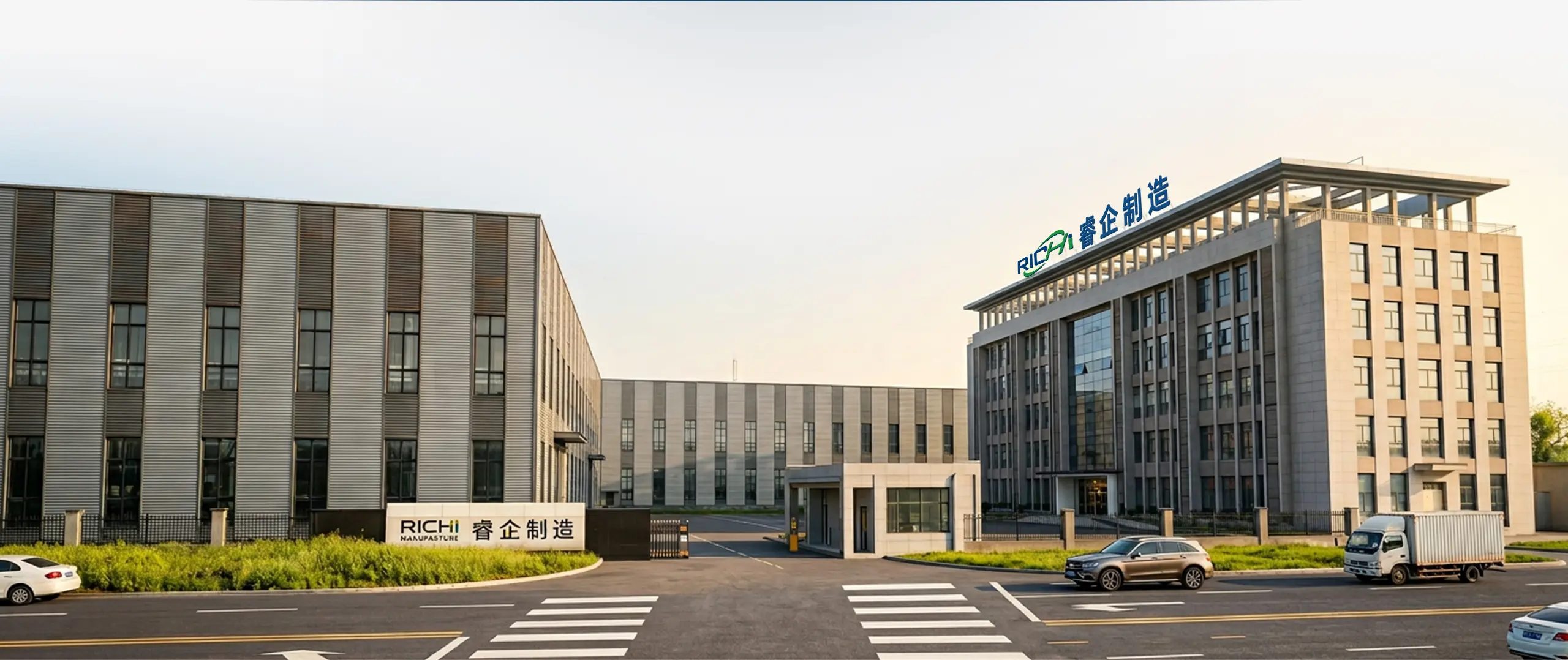
We have two large production plants of our own. Once our factory team got the design specs, they started manufacturing right away. Since RICHI holds CE and SGS certifications, all our products meet EU and international quality standards – which matched the client’s requirement for durable, long‑lasting equipment.

Installation and Commissioning
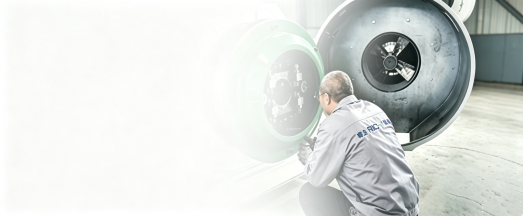
After all the equipment was manufactured, we shipped it safely to the client’s plant in the U.S. We sent two experienced engineers over to work with the client’s crew on the full installation. Once that was done, they ran commissioning tests to make sure everything worked properly.
Personnel Training
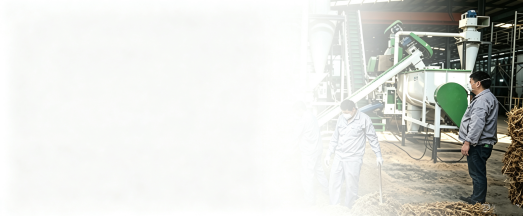
To help the client get up and running smoothly, our engineers also trained their operators. The training covered theoretical knowledge, equipment assembly and disassembly, routine maintenance, and basic troubleshooting. Whenever anything wasn’t clear, our engineers were right there to explain it in full.

Trial Run
With our engineers on site, the client tried operating the whole line on their own. They checked the line’s continuous performance, the pellet output, and the quality of the finished product. Once they were fully satisfied, we handed over all the drawings and manuals – that’s when the line was officially delivered.
After‑Sales Service
We offer a 12‑month free warranty to every client. Later on, if the client had any questions they forgot to ask while our engineers were still on site, they just reached out to our after‑sales team and got them resolved. So far, the line is still running smoothly and creating good returns for the client.


Project Experience
30+
Years

Countries and Regions Served
140+

Projects Delivered
2000+

Factory Area
100,000+
㎡

About Us
Henan RICHI Machinery Equipment Co., Ltd., established in 1995, primarily focuses on the research and development and manufacturing of feed machinery, biomass pelleting equipment, organic fertilizer pelleting equipment, and complete pelleting production lines. After more than 30 years of development, RICHI has become a professional pelleting machinery manufacturer. Our products are exported to over 140 countries and regions worldwide, earning the trust of customers both domestically and internationally.
Qualification Advantages
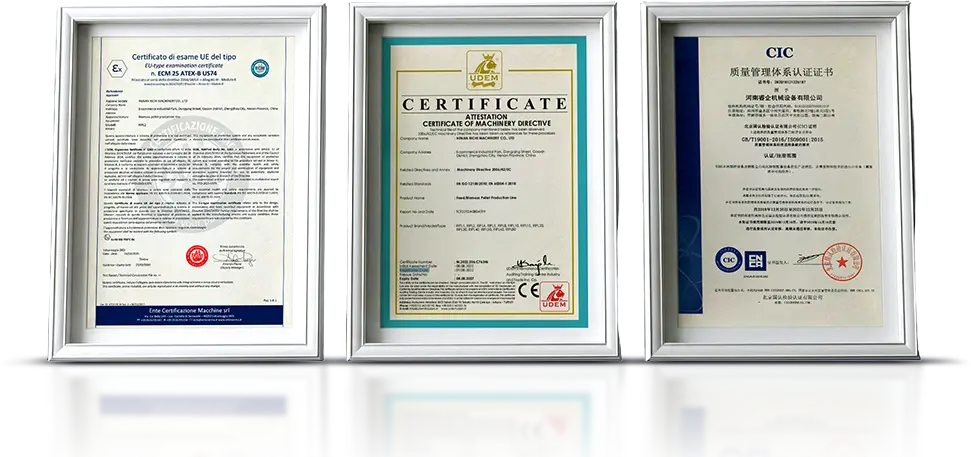
RICHI boasts numerous international authoritative certifications and patents, including ISO9001, CE, SGS, and TÜV. This means that the equipment you purchase can smoothly pass through customs and quality standards in various countries, with no customs clearance risks and compliant delivery. Choosing RICHI means choosing a guarantee of smooth global access and worry-free production.