Livestock Feed Pellet Machine


Product Information
What Is a Livestock Feed Pellet Machine

Capacity: 1-40 T/H
If you want to produce feed pellets for livestock such as pigs, cattle, sheep, and horses, you can use a livestock feed pellet machine. It can process powdery raw materials such as corn, soybean meal, bran, and grass meal. After conditioning and extrusion, these materials become uniform pellets. The pellets are easy to store or transport. The livestock pellet machine can be used alone. It can also be combined with crushing, mixing, cooling, and screening equipment to form a complete livestock feed production line.


Livestock Feed Pellet Machine Video
RICHI livestock feed pellet machine has been put into operation in more than 140 countries and regions around the world. How well do they work? The following videos show the production sites directly.
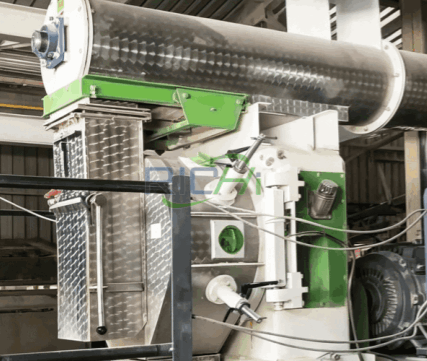
5–6 T/H Livestock Feed Pellet Machine in Zimbabwe

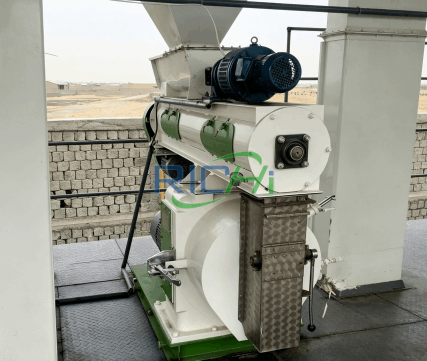
3–4 T/H Livestock Feed Pellet Mill for Sale in Uzbekistan
Livestock Pellet Machine Structure
We have made special designs and optimizations for every component of the livestock feed pellet machine. This reduces energy consumption. It also ensures the equipment’s operating performance and improves feed pellet quality.
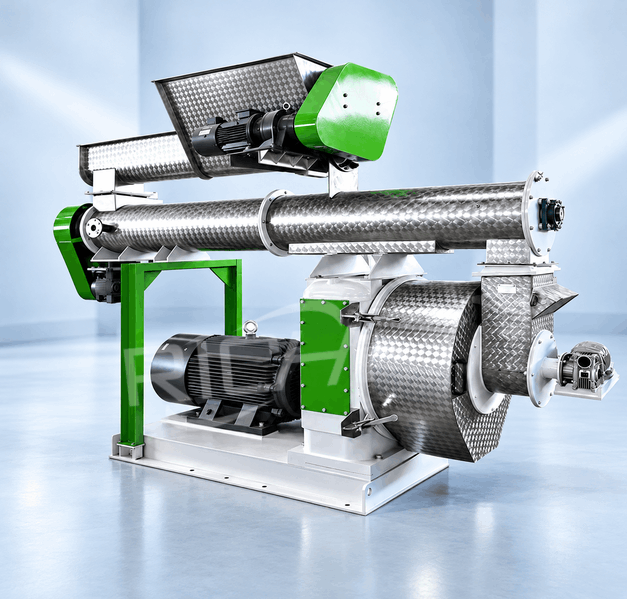

Feeding Port
It is equipped with a variable frequency motor and an arch-breaking device. It can flexibly control the feeding speed and prevent blockage at the source.
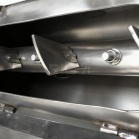
Conditioner
It is used to cook and gelatinize raw materials. The tube is thick and long. This ensures more thorough conditioning.
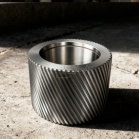
Pressure Roller
The conditioned material is pressed and squeezed into the die hole with the help of a ring die to form compacted granules.

Ring Die
The compressed material is extruded from here. You can adjust pellet diameter by changing the ring die with different apertures.
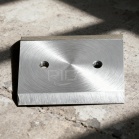
Cutter
Its function is to cut long strips of granules to a uniform length; the distance between the cutter and the ring die determines the length of the granules.
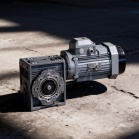
Forced Feeder
When raw materials contain light and airy substances such as grass powder, it can force the material into the pelletizing chamber. This helps smooth feeding.

Livestock Feed Machine Parameters
To better meet complex needs, RICHI has refined its technology over 30 years. It has developed different models of livestock feed pellet machine. These models meet the needs of livestock farming or feed production at various scales. You can contact us at any time to get the most precise configuration plan.
Note: The output data in the table is the output that the whole production line can reach. In actual production, raw material grinding degree, mixing ratio, moisture content, and formula will all affect final output. Please use it as a reference only.
Livestock Feed Pellet Machine Cases
RICHI has accumulated thousands of cases related to livestock pellet machine. Below are some cases in actual field applications. You can compare them with your own project and assess what kind of livestock feed pellet machine you need. You can also contact us directly for detailed consultation.
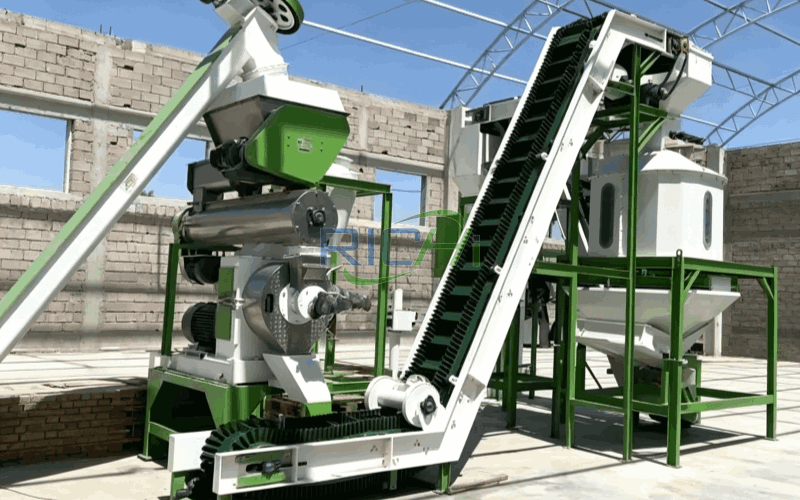
1–2 T/H Livestock Feed Pellet Machine in Uzbekistan
Raw Materials: corn, barley, soybean meal, alfalfa meal
Model: CZLH350
Livestock Species: sheep, goats, beef cattle
The customer is a medium-sized cattle and sheep farm in Uzbekistan. The farm needs to produce feed pellets with a high proportion of forage for a long time. This livestock feed pellet machine is equipped with a forced feeder. It solves the blocking problem caused by grass powder.
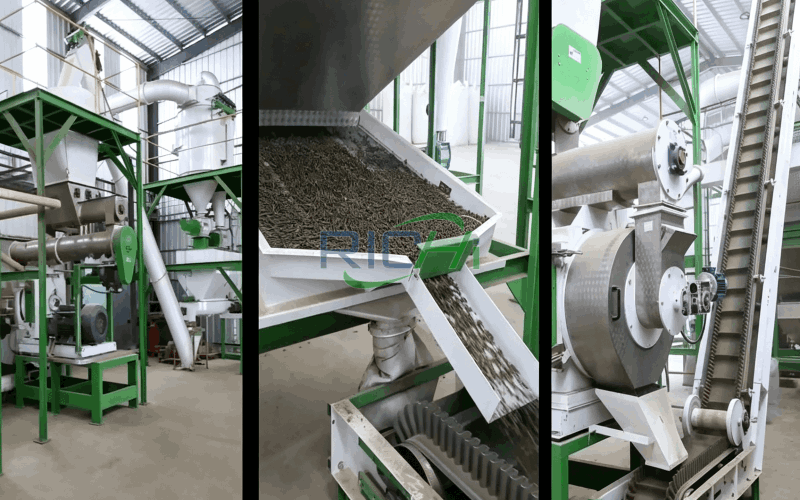
3 T/H Livestock Feed Pellet Mill for Sale in Argentina
Raw Materials: hay powder, corn, sorghum, soybean meal
Model: CZLH420
Livestock Species: beef cattle, dairy cattle
Argentina has abundant forage resources. The customer uses these natural resources as raw materials for its integrated agro-livestock feed processing plant. The customer uses a livestock pellet machine to produce 6–10 mm pellets. These pellets can meet the basic feed needs of beef cattle fattening and dairy cattle.
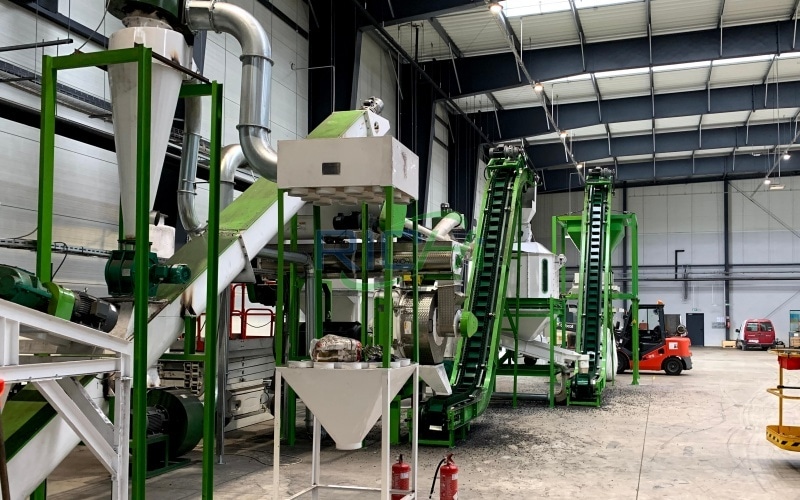
7–8 T/H Livestock Pellet Mill in Poland
Raw Materials: hay, alfalfa, wheat, soybean meal
Model: CZLH768
Livestock Species: dairy cows, beef cattle, sheep
This livestock feed mill equipment is equipped with a variable frequency arch-breaking feeder and a forced feeder. It can adapt to the customer’s high-fiber grass materials. By changing ring dies with different apertures, the customer produces 6–12 mm pellets in multiple specifications. This is fully enough for its large ranch.
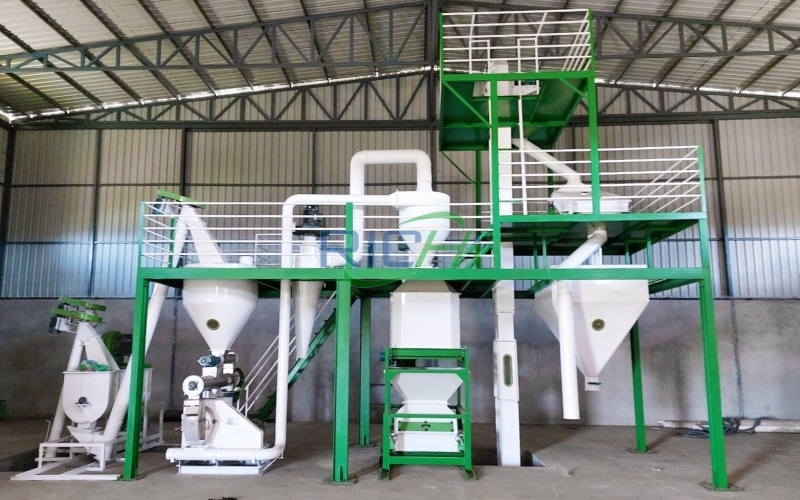
1–2 T/H Livestock Feed Pellet Mill for Sale in Angola
Raw Materials: corn, cassava flour, soybean meal, wheat bran
Model: SZLH250
Livestock Species: pigs
The customer is a small and medium-sized agricultural and livestock enterprise. It mainly supplies livestock feed to local smallholder farmers. It does not need very large capacity. This model of livestock feed pellet machine has a simple structure and is easy to maintain. It perfectly adapts to local industrial supporting conditions.

3–4 T/H Livestock Feed Pellet Machine in Malaysia
Raw Materials: palm kernel meal, corn, soybean meal, rice bran
Model: SZLH320
Livestock Species: pigs
The customer uses local palm kernel meal resources as one of the raw materials for pig feed. This reduces formula cost. After using this livestock pellet mill, the customer’s capacity is stable at 3–4 T/H. It also adapts to the hot and humid tropical production environment.
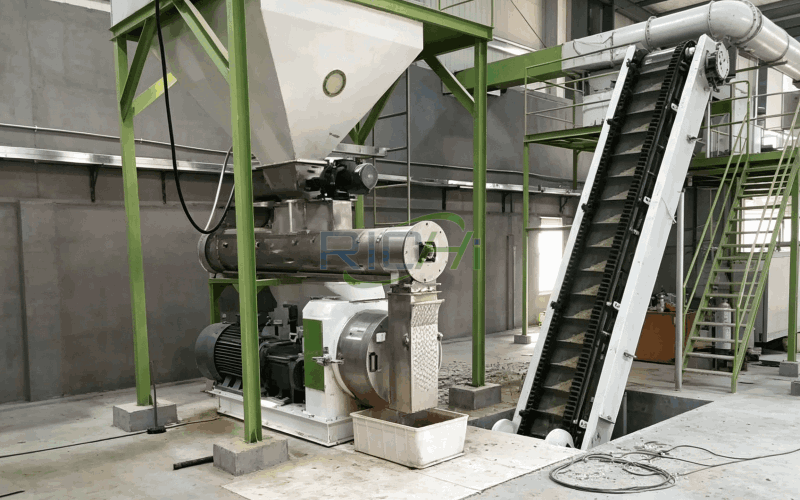
5–6 T/H Livestock Feed Pellet Mill for Sale in Oman
Raw Materials: corn, soybean meal, wheat bran, date by-products
Model: SZLH350
Livestock Species: goats, camels, beef cattle
This is a regional feed production company. Local forage resources are scarce. The customer mainly uses grains and agricultural by-products to make complete livestock pellets. The customer customized ring dies with different apertures. This allows flexible switching of pellet diameter to suit the feeding needs of goats, camels, and beef cattle.

Process of Making Livestock Feed Pellets
The quality of livestock feed pellets depends not only on the formula you use. It also depends on a series of process steps. Only by rationally configuring each step according to raw material characteristics, animal species, and production needs can you produce high-quality livestock feed pellets. The whole production process mainly includes the following steps.

01.
Crushing
In both mixing and pelletizing, powdered raw materials are easier to process. So the crushing step is very important. This step needs to crush raw materials into uniform, fine powder according to the formula and livestock feeding needs. This creates favorable conditions for later steps.
02.
Mixing
This step fully mixes crushed raw materials with vitamins, trace elements, and additives in proportion. The purpose is to make feed nutritionally balanced. It avoids raw material separation. It helps meet the various nutritional needs of livestock during growth.
03.
Pelletizing
In making livestock feed pellets, some other steps may be omitted, but pelletizing is essential. This step sends the well-mixed powdered feed into the livestock feed pellet machine. After conditioning, the pressure roller and ring die extrude it into uniform cylindrical pellets.
04.
Cooling
After high-temperature steam conditioning and strong extrusion, livestock feed pellets have high surface temperature and high moisture. They are soft and easy to deform or become moldy. So cooling equipment is needed to quickly remove moisture and heat from inside the pellets. This makes feed pellets firmer and harder. It is better for storage and transportation.
05.
Screening
This is a fine processing step that improves feed appearance. After cooling, livestock feed pellets are sent to screening equipment. Broken pieces, powder, or oversized pellets are removed. Only uniform, qualified pellets remain. This step may affect the selling price of the finished product.
06.
Packaging
Packaging is the last step in livestock feed production. Qualified pellets go through packaging and weighing equipment for filling and sealing. The sealed design prevents moisture and mold. Fixed-weight, regular packaging is also convenient for later storage and long-distance transportation.
Other Equipment on the Livestock Feed Pellet Production Line
To produce high-quality livestock feed pellets, you cannot rely only on one livestock feed pellet machine. As mentioned above, this requires a complete process. In this process, various supporting equipment is also used. RICHI can supply them one-stop.
Raw Material Cleaner
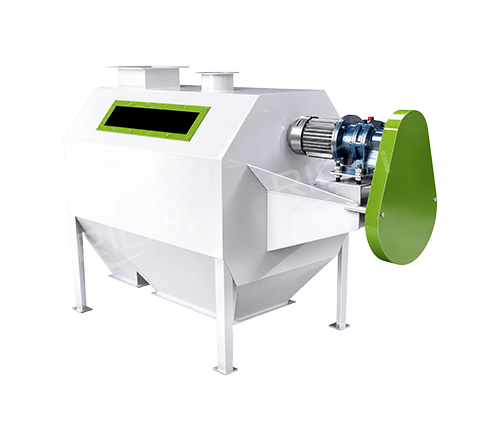
Livestock Feed Grinder
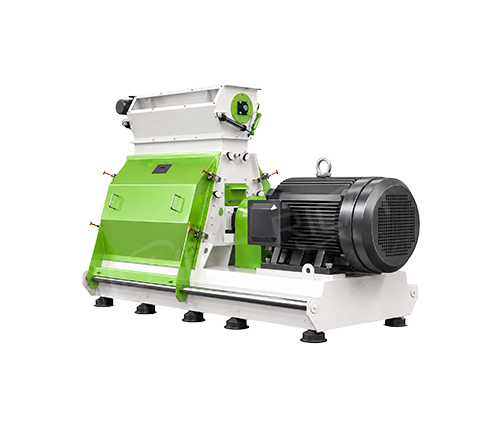
Livestock Feed Mixer
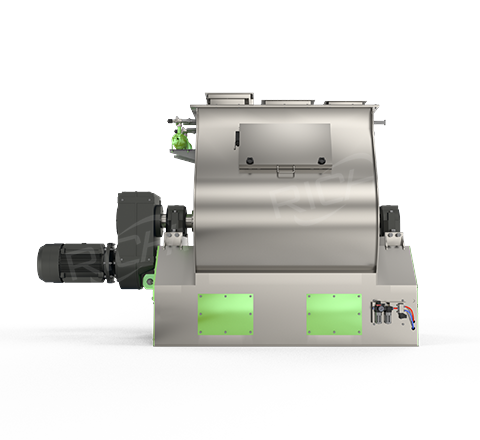
Livestock Feed Cooler

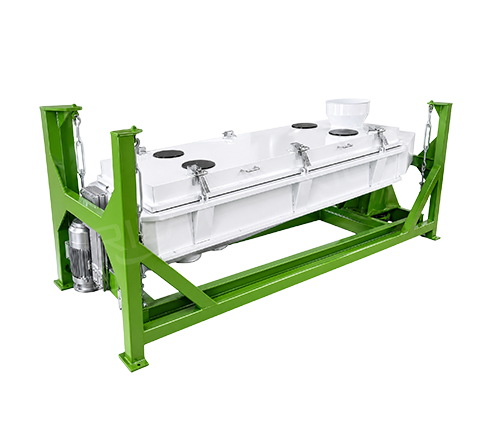
Livestock Feed Screener
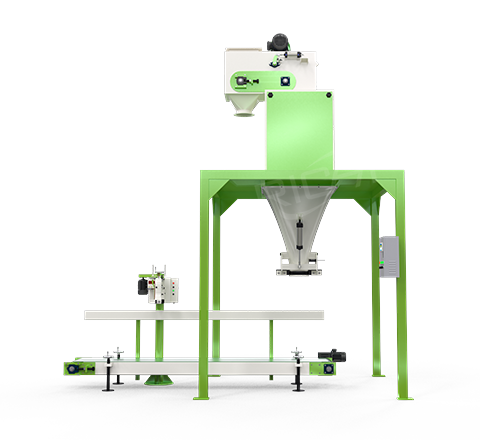
Livestock Feed Baling Scale
Livestock Pellet Machine Advantages
RICHI livestock feed mill equipment is one of the most recognized machines in the market. With unique technical advantages, it performs well in livestock feed production. It helps customers create higher profits and wins widespread favor.
The frequency converter at the feed inlet enables variable frequency speed control. You can flexibly adjust the feeding speed according to raw material condition and pelleting condition. This design avoids ring die blockage, livestock feed pellet machine overload, and output fluctuations caused by uneven feeding.
Stable Feeding, No Machine Blockage
RICHI livestock pellet mill can be equipped with multi-layer conditioners. Each layer has a steam inlet. Our conditioner pipes are longer and thicker than most products on the market. This helps extend material residence time. It makes cooking and gelatinization more thorough. It also provides a sterilization effect.
Good Conditioning Effect
The ring die is made of stainless steel. This effectively improves wear resistance. In addition, the ring die uses a release-type stepped orifice. This helps material enter smoothly and exit smoothly. The outlet part uses a stepped shape. This increases ring die thickness, enhances compressive strength, and prevents poor discharge and ring die damage.
Long Service Life
FAQ
Below are some common questions and answers about livestock feed pellet machine. You can browse the content below or contact us directly for more product information.
What raw materials can this livestock pellet mill process?
→
RICHI livestock feed pellet machine can process common raw materials such as corn, sorghum, wheat, soybean meal, rapeseed meal, and other grains and oilseed meals. It can also process alfalfa meal, peanut vine meal, straw meal, and other grass fiber raw materials. It also supports adding premixes, minerals, bone meal, shell powder, and more.
What are the advantages of pelleted feed compared with powdered feed?
→
Pelleted feed has more uniform nutrient distribution during mixing. After pelleting, it reduces animal picky eating and dust waste. The high temperature and steam in the conditioning stage allow starch to gelatinize fully. This improves digestibility after livestock eat it. More videos about the pelleting effect of livestock feed pellet machine can be watched on YouTube.
How to buy the most suitable livestock feed mill equipment?
→
We have several models of livestock feed pellet machine for you to choose from. Please contact us and tell us the following information as detailed as possible. We will recommend the most cost-effective machine for you.
- How large is the factory area?
- What livestock will it feed?
- How many tons of livestock feed pellets are needed per hour?
- What are the main raw materials? What is their moisture content?
- What diameter of livestock feed pellets do you need to produce?
- Do you need supporting equipment for crushing, mixing, cooling, screening, and packaging?
- What is your budget?
- How large is the factory area?
How to adjust the gap between the pressure rollers of a livestock feed mill equipment?
→
Generally, the gap between the pressure roller and the ring die of a livestock feed pellet machine is about 0.1–0.3 mm. If the gap is too small, it will speed up wear on both parts and increase overload. If the gap is too large, the material will not be pressed firmly and will slip. It is recommended to use a feeler gauge for accurate measurement.
Can a livestock feed pellet machine be used alone?
→
Yes. We recommend that family farms or small workshops use a single machine. For medium and large feed production plants, it is necessary to add crushing, mixing, cooling, screening, and packaging equipment to form a complete feed pellet production line. RICHI can provide customers with complete livestock feed production lines from 0.5 to 40 T/H. If you have special capacity requirements, we can also provide customized services.

Services of RICHI
RICHI Machinery is committed to providing customers with high-quality livestock feed pellet machine. It also pursues excellent service quality. We are confident that every customer can choose us with peace of mind.
Project Experience
30+
Years

Countries and Regions Served
140+

Projects Delivered
2000+

Factory Area
100,000+
㎡

About Us
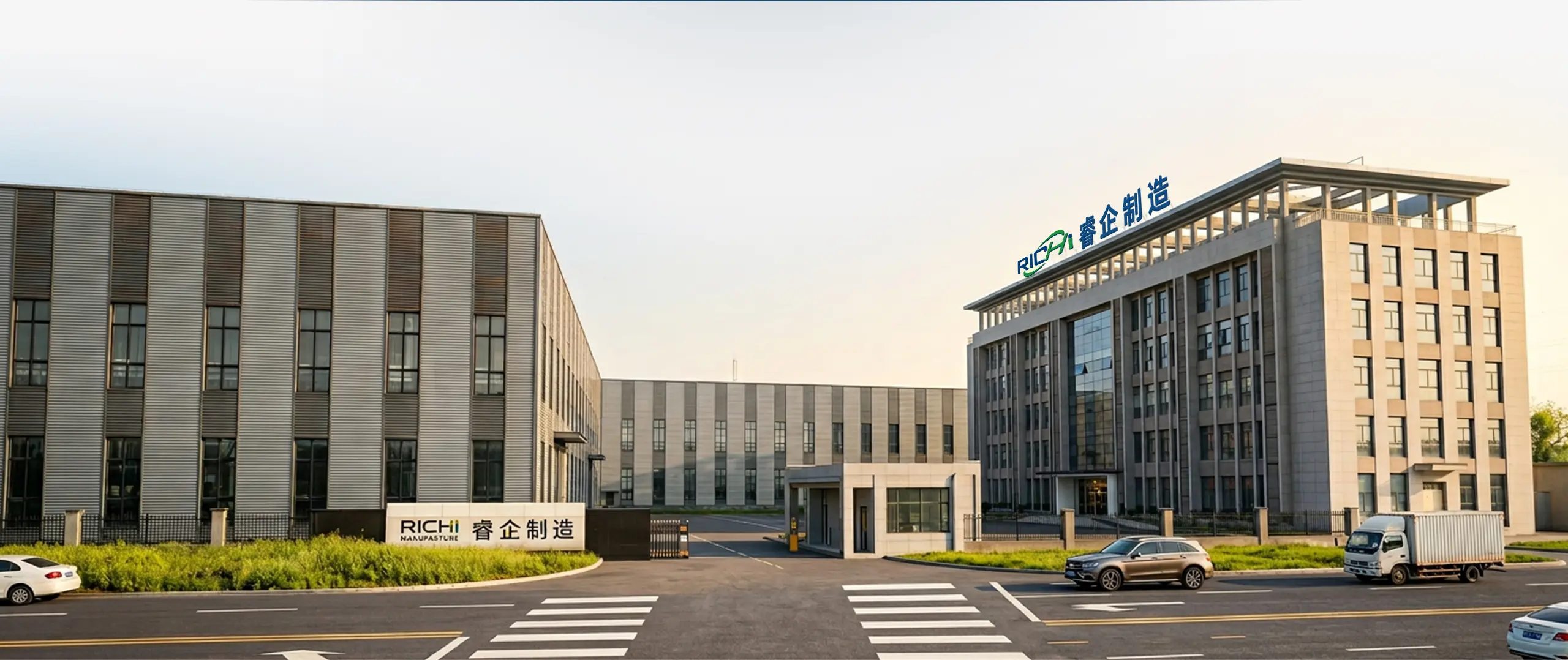
Henan RICHI Machinery Co., Ltd., established in 1995, primarily focuses on the research and development and manufacturing of feed machinery, biomass pelleting equipment, organic fertilizer pelleting equipment, and complete pelleting production lines. After more than 30 years of development, RICHI has become a professional pelleting machinery manufacturer. Our products are exported to over 140 countries and regions worldwide, earning the trust of customers both domestically and internationally.
Qualification Advantages
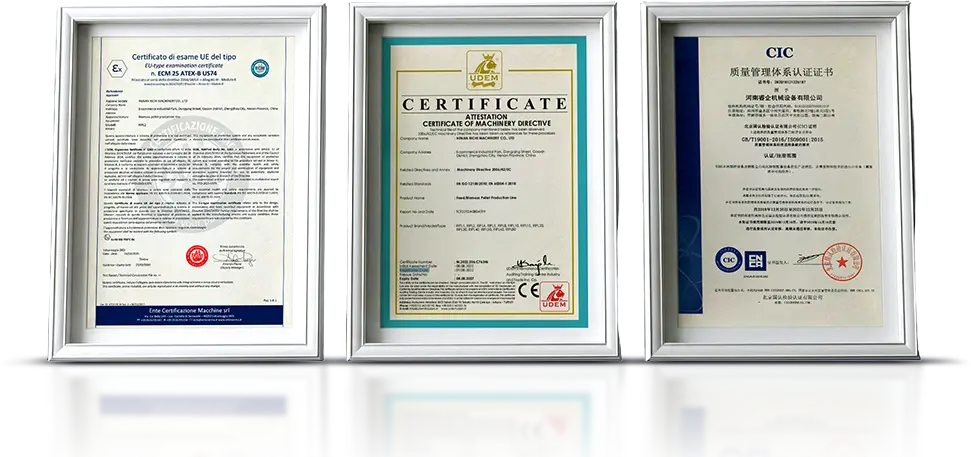
RICHI boasts numerous international authoritative certifications and patents, including ISO9001, CE, SGS, and TÜV. This means that the equipment you purchase can smoothly pass through customs and quality standards in various countries, with no customs clearance risks and compliant delivery. Choosing RICHI means choosing a guarantee of smooth global access and worry-free production.