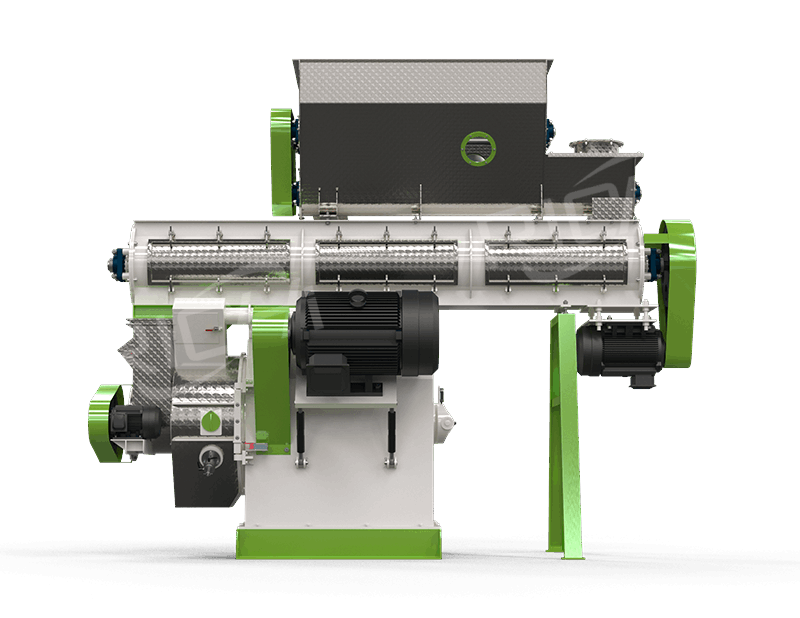
Hay Pellet Machine


Product Introduction
High-Efficiency Hay Pellet Machine

Capacity: 0.5-8 T/H
If you want to use one machine to process hay and turn it into feed for ruminants, a hay pelletizer is a perfect fit. RICHI hay pellet machines can efficiently process various types of hay and press them into pellet animal feed. This improves palatability and reduces waste. They can also make biomass fuel pellets, animal bedding, and more, so they are very flexible.
Whatever use you have in mind, we can provide reliable customized solutions.
Suitable Raw Materials
After several upgrades, RICHI hay pellet machines can easily process various types of light hay. Below are some common raw materials suitable for hay pelletizers.
If you need to pelletize related raw materials, please contact us directly for help.
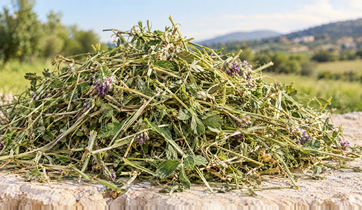
Alfalfa Hay
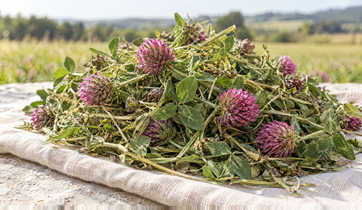
Red Clover
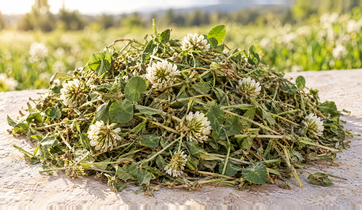
White Clover
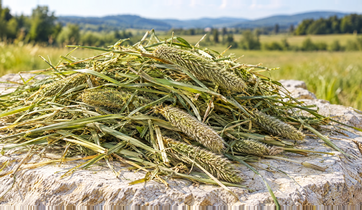
Timothy Hay
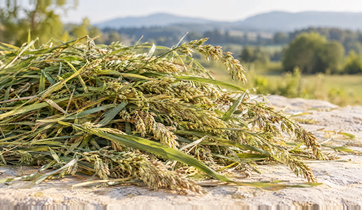
Orchard Grass
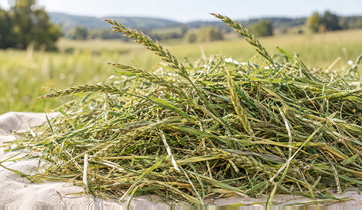
Ryegrass
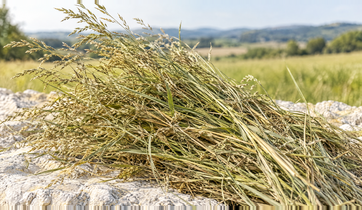
Fescue
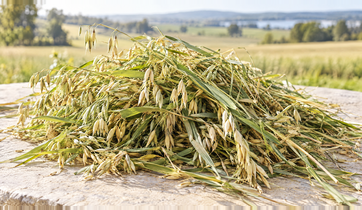
Oat Hay
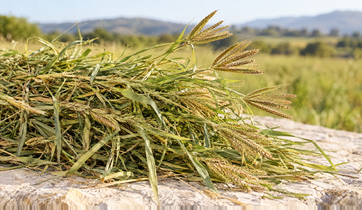
Rhodes Grass
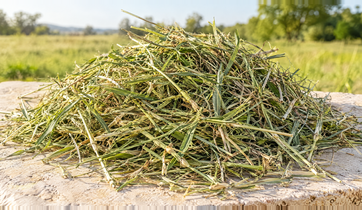
Bermuda Grass
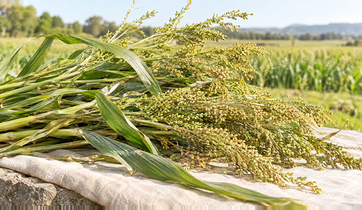
Sudan Grass
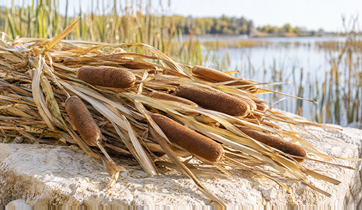
Cattail Hay

Hay Pellet Press Video
RICHI is committed to providing customers with industry-leading hay pelleting machines. Driven by this vision, our equipment has been sold worldwide. The video below shows real applications of RICHI hay pellet mills in customer production lines.
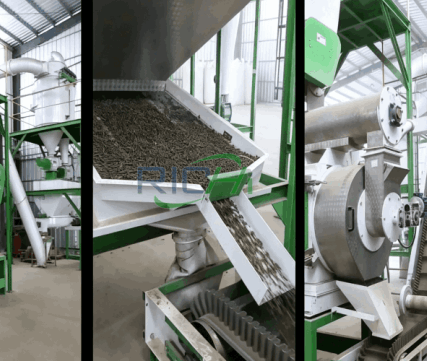
3-4 T/H Hay Pellet Machine for Sale in Argentina

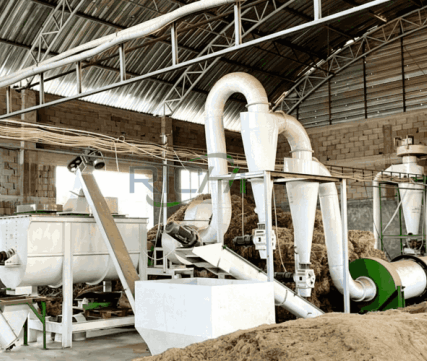
1-2 T/H Hay Pellet Machine in Uzbekistan
Hay Pellet Machine Structure
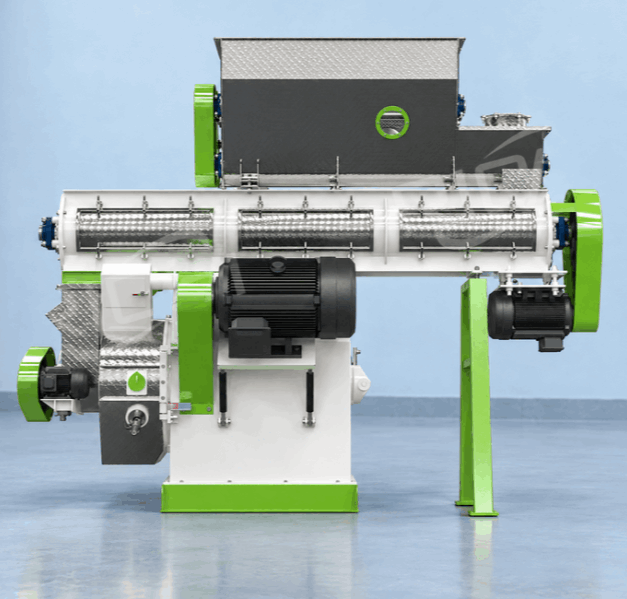
Hay is generally characterized by high fiber content and light texture. When processing these raw materials, RICHI hay pellet making machines almost never experience clogging, unstable operation, or pellet breakage. This is because we have carefully designed each of its key components.
Feed Inlet
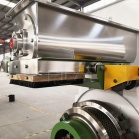
The feed inlet is wider and larger than that of a feed pellet machine. It has a double-roller arch-breaking device to prevent raw materials from arching and bridging.
Conditioner
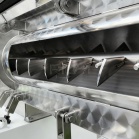
The conditioner barrel is longer and larger. Its effective volume is increased, so conditioning time is longer and hay is softened more fully.
Forced Feeder
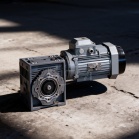
It can force materials into the pelletizing chamber. This prevents machine blockage caused by poor material feeding.
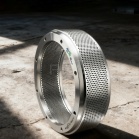
Ring Die
The ring die is made of 42CrMo alloy steel. It has extremely high wear resistance. You can change different hole sizes to adjust pellet diameter.
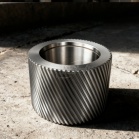
Pressure Roller
The pressure roller is a biomass-specific pressure roller. Its surface grooves are specially designed to prevent raw materials from slipping.
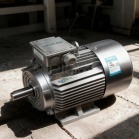
Motor
The motor provides enough power for the hay pellet machine. This keeps the machine running stably, with low noise and high energy efficiency.

Hay Pellet Machine Parameters
To meet the different needs of customers as much as possible, we have designed and developed a series of hay pellet machine models. They can efficiently process most hay raw materials. Below is a reference for different models. If you are not sure which one is right for you, please contact us for an accurate recommendation.
| Model | CZLH320 | CZLH350 | CZLH420 | CZLH520 | CZLH678 | CZLH768 |
| Main Motor Power (kW) | 22 | 37 | 90 | 132 | 200 | 250 |
| Anti-clump Feeder Power (kW) | 2.2 | 2.2 | 3 | 3 | 3 | 4 |
| Forced Feeder Power (kW) | 0.75 | 0.75 | 1.5 | 1.5 | 1.5 | 1.5 |
| Ring Die Inner Diameter (mm) | 320 | 350 | 420 | 520 | 673 | 762 |
| Finished Pellet Diameter (mm) | 4-12 | |||||
| Output (t/h) | 0.5-0.6 | 1.0-1.2 | 1.8-2.0 | 2.8-3.0 | 4.0-5.0 | 6.0-8.0 |
Note: The above production data is the output of the whole production line under rated working conditions. Actual output depends on raw materials and their moisture content. Please do not treat it as an absolute guarantee.
Hay Pellet Machines Global Case Studies
RICHI hay pellet machines have been successfully delivered to more than 140 countries and regions around the world. We have accumulated many cases and much experience. Whether it is a single hay pelletizer or a whole pellet production line, we have helped customers create considerable profits.
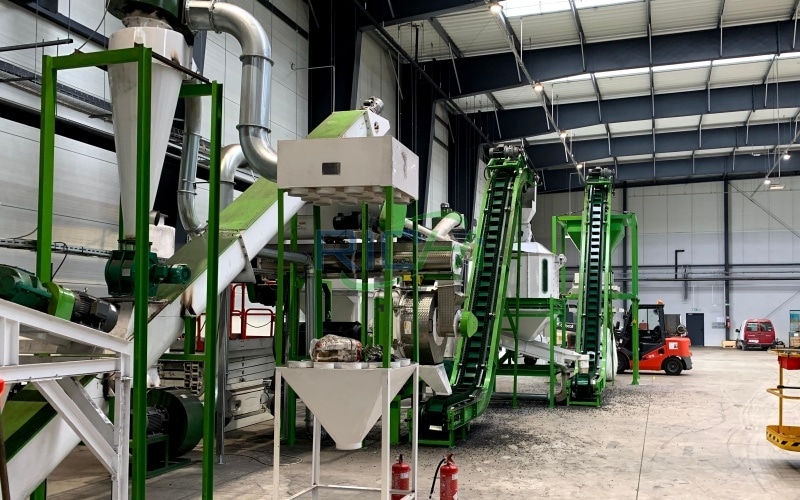
7-8 T/H Hay Pellet Mill for Sale in Spain
Raw materials: alfalfa hay, oat hay, rye hay.
The customer is a large forage processing company. It wants to use alfalfa and hay to make ruminant feed for dairy farms and beef cattle farms, and some for export. To meet the customer’s high capacity and export needs, we specially customized the conditioner and ring die compression ratio to improve pellet density and durability.
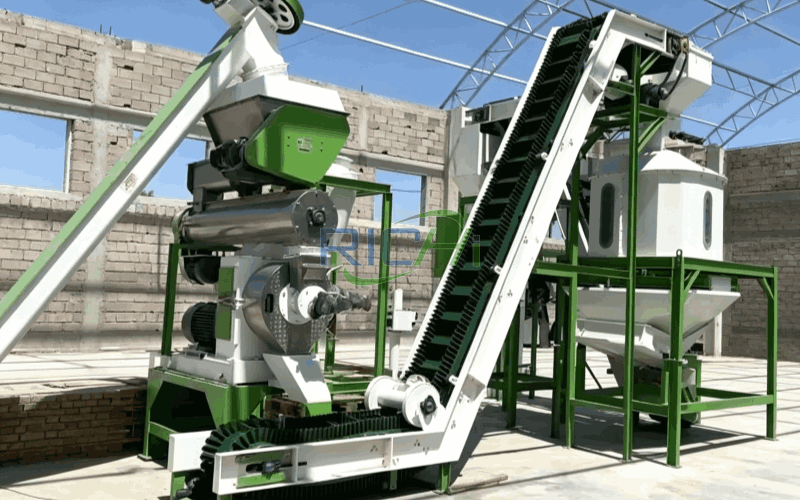
1-2 T/H Hay Pellet Mill for Sale in Uzbekistan
Raw materials: alfalfa hay, natural hay, wheat straw, cotton stalks.
This is a feed processing point in a ranch and town. The customer bought our hay pellet press to make feed pellets for cattle and sheep, so as to ease the feed shortage in winter. The customer’s raw materials are complex, so we strengthened the variable-frequency feeding and forced feeding devices. This successfully reduced the risk of machine blockage.
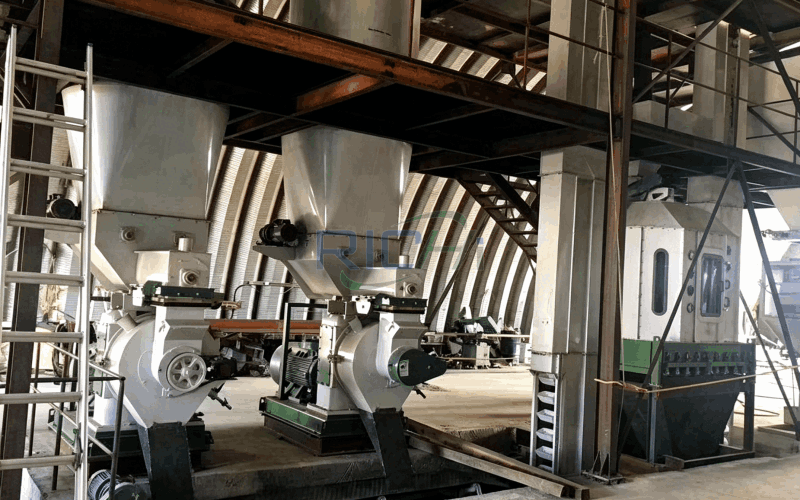
2 T/H Hay Pellet Machine for Sale in Poland
Raw materials: hay, wheat straw, rye straw.
A farm in Poland contacted us and bought a 2T/H hay pellet machine. It turns hay and straw into biomass pellets for the farm boiler for heating. The customer reported that the finished pellets have a stable calorific value and burn fully. Waste hay has been turned into a renewable energy source, and utilization efficiency has improved.
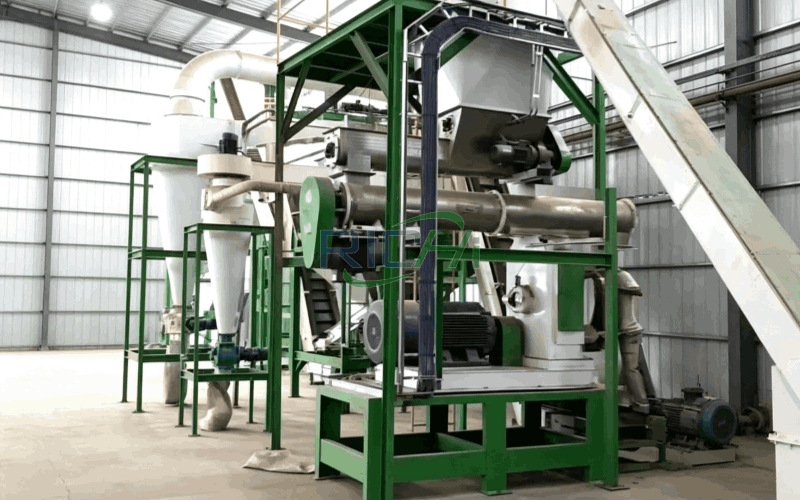
3 T/H Hay Pellet Machine for Sale in Argentina
Raw materials: alfalfa hay, oat hay, ryegrass.
The customer is a regional feed producer. It uses high-quality hay as raw material to produce feed pellets for beef cattle and dairy cattle. The hay pellet making machine we recommended has moderate capacity. It perfectly matches the local forage storage and regional feed supply scale.
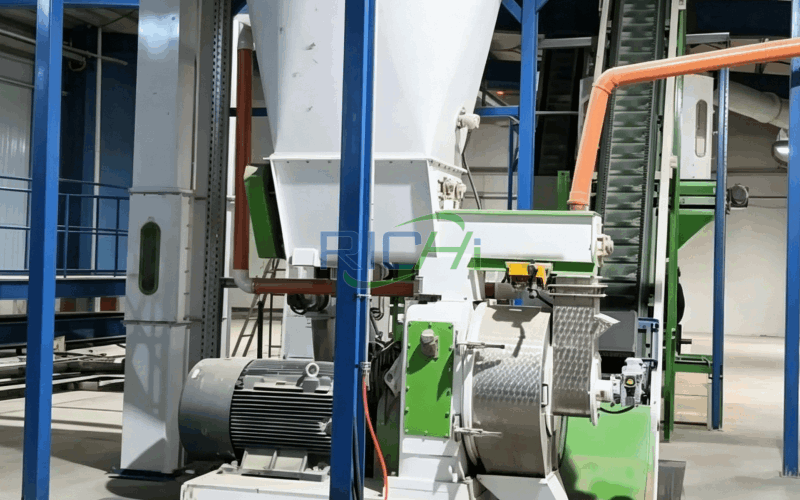
3-4 T/H Hay Pellet Mill for Sale in Romania
Raw materials: field hay, wheat straw, corn stalks.
The customer is an agricultural cooperative in Romania. Our 3-4 T/H hay pellet maker helped them easily process straw and hay to produce high-quality agricultural biomass fuel pellets. This project also helped the customer earn extra income from fuel sales.
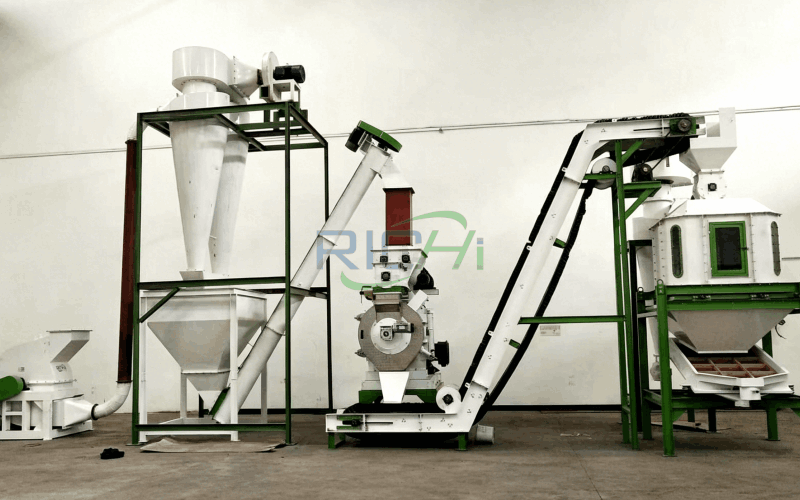
2 T/H Hay Pellet Machine for Sale in Ireland
Raw materials: high-quality hay, straw.
To supply bedding to racetracks, equestrian clubs, and high-end stables, the customer bought a hay pellet mill to produce bedding pellets. We recommended that the customer use a low compression ratio and a large-aperture ring die. This produced high-end horse bedding pellets with moderate hardness, low dust, and good water absorption.
Hay Pellet Press Advantages
Traditional hay pellet machines may have weaknesses such as low production efficiency and short service life. In contrast, our hay pelletizer has several advantages, so you can use it with more peace of mind.
This hay pellet machine uses high-precision gear transmission. It is more efficient than belt transmission. The key part, the ring die, has been improved and is not easy to crack. With a quick-release clamp structure, replacing the ring die saves time and labor. This makes hay pelletizing more efficient.
High Production Efficiency
Core parts have been strengthened through materials and heat treatment. Even with coarse and hard raw materials like hay, wear resistance is guaranteed. The feeding auger, conditioner, machine door cover, and other parts are made of stainless steel. They are highly corrosion-resistant and extend the overall service life of the machine.
Long Service Life
In this hay pellet mill, all parts that contact hay raw materials are made of corrosion-resistant and wear-resistant materials. There will be no rust that contaminates raw materials. The feed, bedding, or fuel pellets produced have more stable quality.
Clean Finished Pellets
We equip every hay pelletizer with an overload protection device. If there is a sudden load, the safety pin will be sheared. This triggers the protection mechanism and prevents damage to the machine.
Fully Safe

Hay Pellet Production Process
If you want to produce high-quality hay pellets, you need a complete hay pellet production line. Pelletizing is only one key step. Before and after it, there are also standardized operations such as crushing, mixing, cooling, screening, and packaging.

01.
Crushing
Most hay raw materials on the market are packaged in bundles. They need to be broken up and scattered first. Then crushing equipment is used to cut and crush them uniformly into fine powder of 3-5 mm. Because hay is quite tough, the size of the crushed material directly determines the pellet forming effect during pelletizing.
02.
Drying
The later pelletizing step has very high requirements for the moisture content of raw materials. The suitable moisture range is about 12%-18%. If the hay itself has a moisture content greater than 18%, it needs to be dried. This prevents machine blockage caused by too much moisture. If the moisture content is less than 12%, steam or water can be added for conditioning. This prevents pellets from becoming loose.
03.
Mixing
When hay pellets are used as ruminant feed, their nutritional composition needs to be considered during production. The mixing stage can evenly mix hay with other additives and nutrients in proportion. This makes every pellet rich in nutrients and helps livestock and poultry grow healthily.
04.
Pelletizing
This step is the most important part of the whole production process. It requires a professional hay pellet machine. The machine strongly compresses the processed hay and forces it through the ring die. Then a cutter cuts it into uniform cylindrical pellets. The high temperature from compression and friction softens the lignin in the hay. This makes the final pellets solid and tightly formed.
05.
Cooling
The cooling process can quickly lower the temperature of hay pellets to room temperature. This step prevents hay pellets from becoming moldy, deformed, or broken because of high temperature and soft texture. The cooling machine can greatly increase pellet hardness. This makes the finished product more stable and extends its storage shelf life.
06.
Screening
Cooling and screening are generally two closely connected processes. After cooling, hay pellets can fall directly onto the screening equipment. Broken pieces, powder, and defective products are removed. Only pellets with good appearance and qualified size are left. This process reduces raw material loss and makes hay pellets more economically valuable.
07.
Packaging
To better store hay pellets, it is best to bag them uniformly. This requires the final packaging step. It can weigh, bag, and seal the finished hay pellets in a uniform way. Professional packaging keeps pellets tightly sealed, prevents dust and moisture, and makes later storage and transportation convenient.
Other Equipment for Making Hay Pellets
Besides providing efficient and professional hay pellet machines, we can also provide other equipment for the hay pellet production process. Most of these machines are auxiliary equipment, but they are equally important. If you need them, we can also provide customized services and solutions.
Hay Bale Breaker
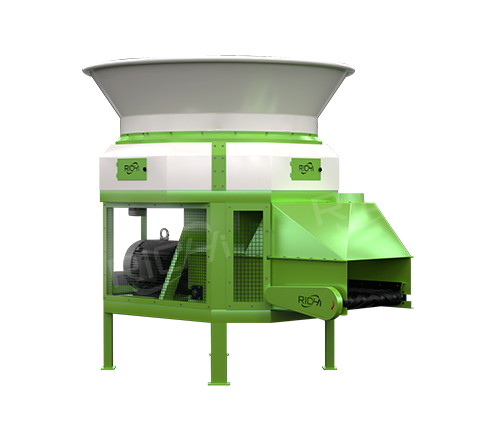
Hay Crusher
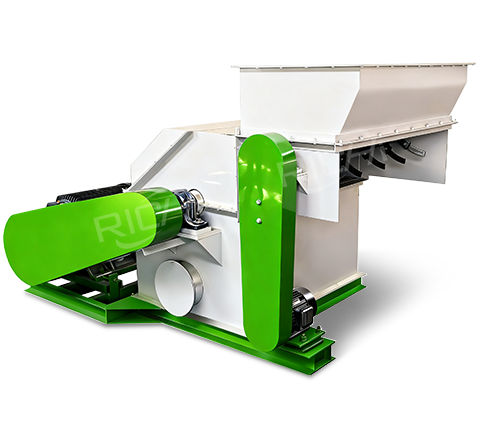
Rotary Drum Dryer
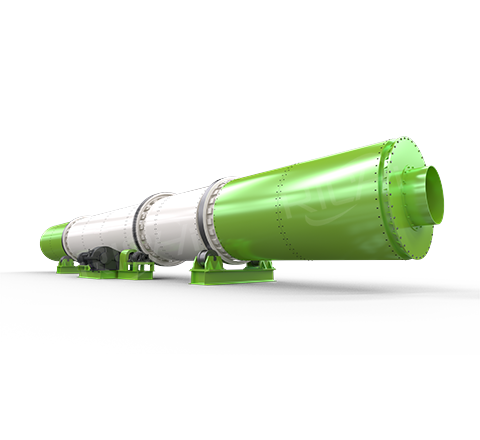
Hay Mixer
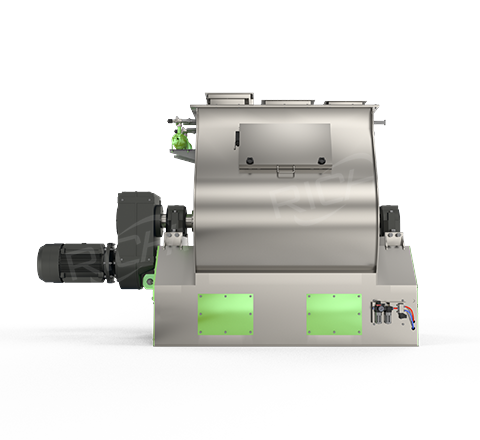
Hay Pellet Cooler

Hay Pellet Screener
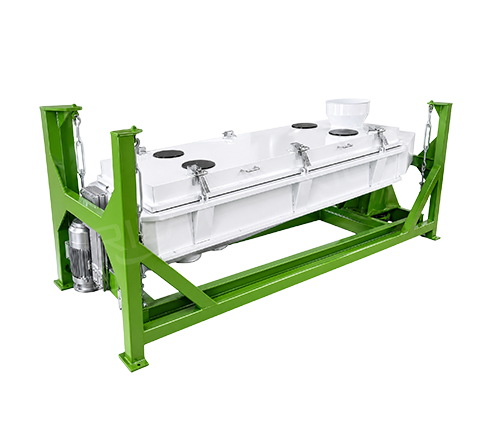
Weighing and Packing Machine
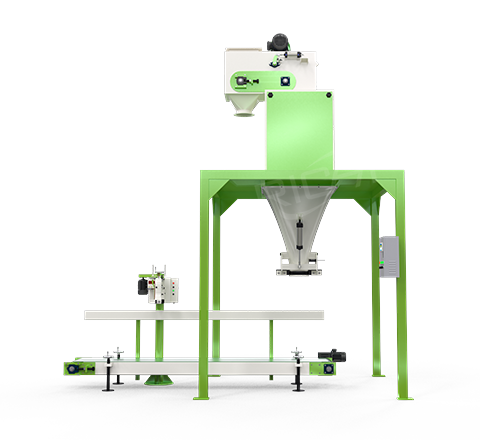
FAQ
Based on customer feedback over the years, we have compiled a list of common questions and answers. These may help you understand our hay pellet makers more deeply. If you have other questions, please feel free to contact us.
How much does a hay pelletizer cost?
→
Because RICHI hay pellet mills come in many models, and each customer has different needs, our quotes for hay pellet machines also vary. The overall price range is USD 7,000 to USD 88,000. You can contact us and tell us the capacity you need and the raw materials you use every day. We will then provide a more accurate quote based on your specific situation.
Are hay pellet making machines power-consuming?
→
RICHI hay pelleting machines use gear transmission and a highly efficient, energy-saving structure. Compared with traditional belt-driven models, they consume less energy. Overall power consumption, material costs, and maintenance costs are also low.
Do its easily damaged parts need to be replaced frequently? Are replacement parts convenient?
→
Common wear parts include ring dies, pressure rollers, and so on. RICHI hay pellet machines have specially optimized these wear parts for the special characteristics of hay raw materials. Their service life is longer, so replacement frequency is not very high. If replacement is needed, we have enough original parts in stock. You can order them directly, and replacement is very simple.
I want to use a hay pellet mill to make animal bedding or fuel. Do I need to adjust the configuration?
→
Yes. RICHI hay pelleting machines support the production of ruminant feed, animal bedding, and biomass fuel pellets. However, key configurations need to be adjusted according to the use of the pellets. For example, to make ruminant feed, a conditioner needs to be added. If you want to learn more about the detailed configuration differences, please contact us directly.
What after-sales services are available when purchasing a hay pelletizer?
→
We provide a 12-month warranty for every customer who buys a hay pellet making machine. During this period, as long as the fault is not caused by human factors, we can provide a special solution.
Each machine comes with a user manual and video tutorials. If you find them boring, you can also choose to have a professional engineer come to your site for installation and debugging. This helps the hay pellet machine start production faster.
During later use, if you have any technical questions about the hay pellet machine, please feel free to contact us for help.
If you want to learn more about RICHI products, welcome to learn more on YouTube.

Why Choose RICHI
Our hay pellet machines have been sold to more than 140 countries and regions around the world. They have received wide praise from customers. This feedback comes from RICHI’s long-term project experience and a series of its own advantages.
Project Experience
30+
Years

Countries and Regions Served
140+

Projects Delivered
2000+

Factory Area
100,000+
㎡

About Us
Henan RICHI Machinery Co., Ltd., established in 1995, primarily focuses on the research and development and manufacturing of feed machinery, biomass pelleting equipment, organic fertilizer pelleting equipment, and complete pelleting production lines. After more than 30 years of development, RICHI has become a professional pelleting machinery manufacturer. Our products are exported to over 140 countries and regions worldwide, earning the trust of customers both domestically and internationally.

Qualification Advantages
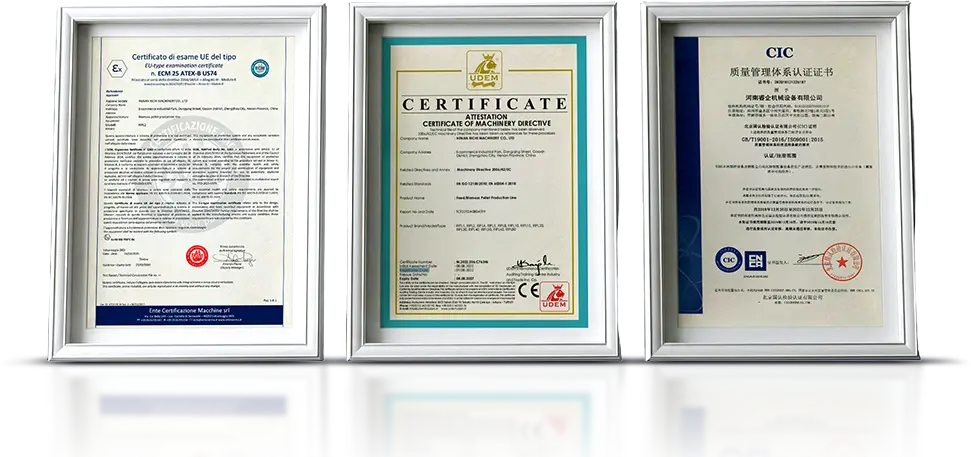
RICHI boasts numerous international authoritative certifications and patents, including ISO9001, CE, SGS, and TÜV. This means that the equipment you purchase can smoothly pass through customs and quality standards in various countries, with no customs clearance risks and compliant delivery. Choosing RICHI means choosing a guarantee of smooth global access and worry-free production.