
Cow Dung Pellet Making Machine


Product Information
Cow Dung Pellet Making Machine
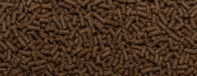
Capacity: 1-26 T/H
If there is too much cow dung and the processing cost is too high? Actually, it can be transformed into two valuable products: organic fertilizer pellets and biomass fuel pellets. The key equipment for achieving this transformation is the cow dung pellet making machine.
In simple terms, the cow dung pellet making machine can press the loose cow dung into compact cylindrical pellets through physical compression. The originally large and difficult-to-transport cow dung, after being compressed, reduces in volume, becomes easier to package, and is more convenient to sell. Whether it is sold as commercial organic fertilizer to farmers or supplied as clean fuel to boiler factories, it is easier to be sold.
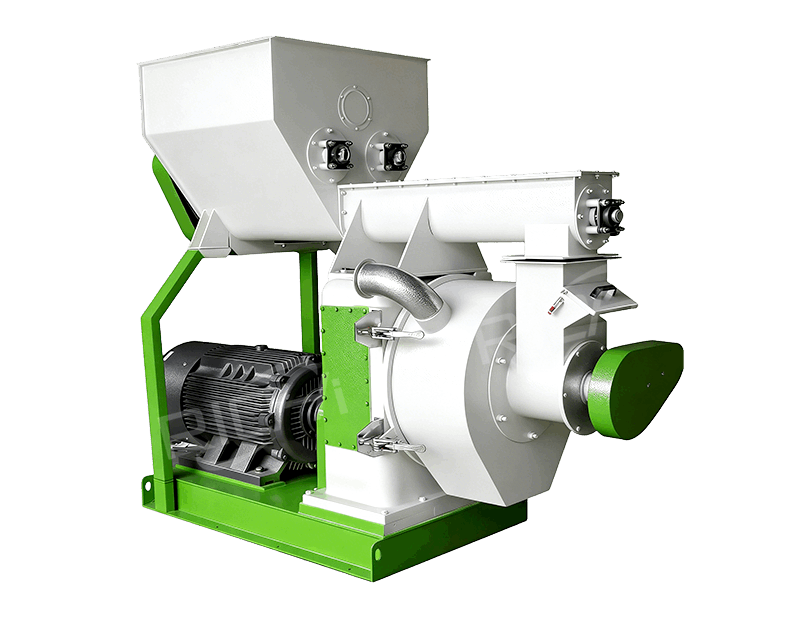
Components of Cow Dung Pellet Making Machine
A cow dung pellet making machine can produce high-quality pellets stably, thanks to the coordinated operation of various parts. Now let me introduce its several core components to you.
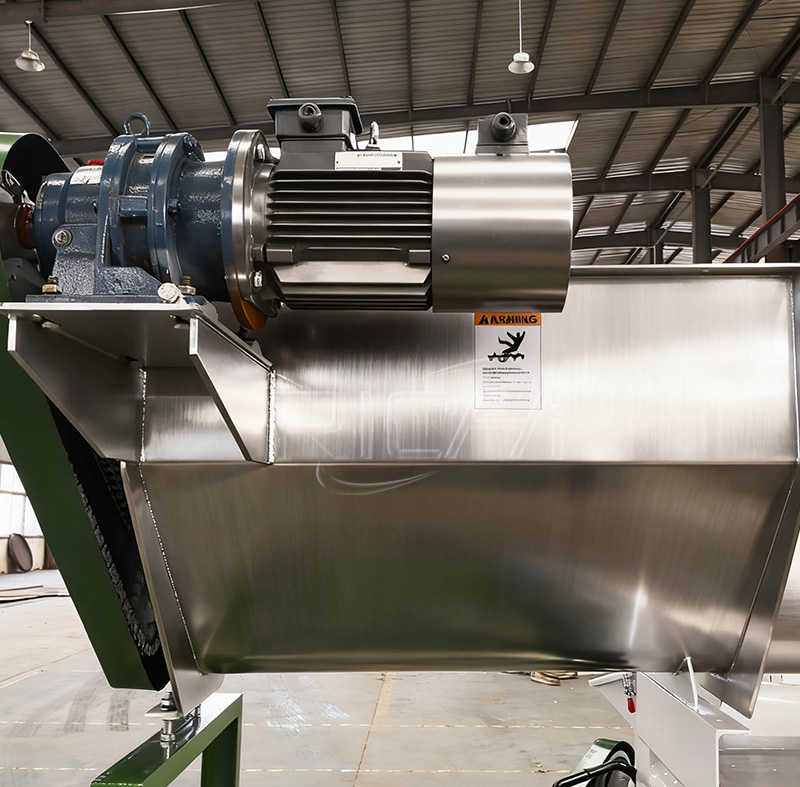
Variable Frequency Feeder
After the cow dung is crushed, it will first enter this “entry point”. To ensure smooth and uninterrupted feeding, we have installed a crushing device at the feeding port – two rollers rotating in opposite directions. They will thoroughly break down the cow dung. On the side of the feeding port, there is also an observation hole, allowing the operator to monitor the feeding situation and adjust the frequency converter at any time to control the feeding speed.
Pelletizing Chamber
This is the heart of the entire equipment. The cow dung pellets are formed here. The pelletizing chamber has three key components: pressing rollers, ring molds, and cutting knives, all of which are indispensable.
The surface of the pressing rollers has teeth, which are specifically designed for cow dung and can firmly grip the material. Under its powerful squeezing, the cow dung is continuously pushed into the ring mold. The ring mold is densely covered with uniform small holes, and the material squeezes out through the holes, turning into long strips. Finally, the cutting knife comes into play, cutting these long strips into uniform lengths. This is how the cow dung pellets are born.

Drive and Transmission System
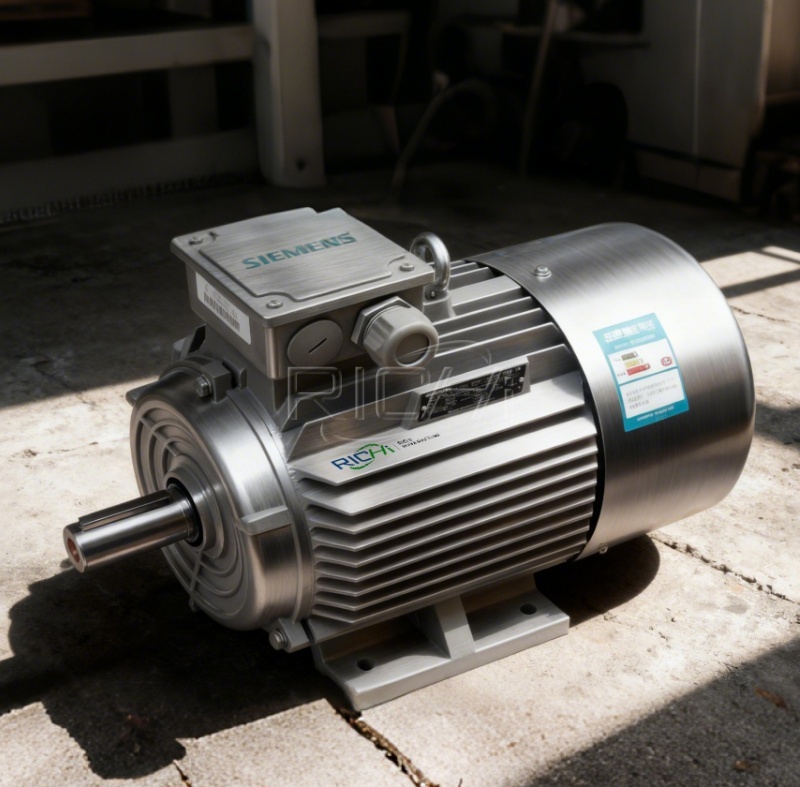
People need to run fast, the body needs to be strong, and the cow dung pellet making machine needs to rotate steadily, with the power keeping up. This equipment’s power source is a high-power motor. We chose the Siemens brand, with a power range covering 22kW to 250kW, suitable for the needs of different customers.
After the motor starts, how is the power sent to the pelletizing chamber? Through gear transmission. Our gears have undergone precise gear grinding treatment, with very little power loss. The gearbox is then connected to the motor through a coupling, running synchronously. It not only transmits power but also buffers the impact during startup, making the equipment start more smoothly.
Cow Dung Pellet Making Machine Videos
The information above may help you understand the basics of the RICHI cow dung pellet machine. Don’t leave yet, there are two more videos below demonstrating its actual operation. After watching them, you’ll have a better understanding of our product.
2.5 T/H Cow Dung Pellet Making Machine in Vietnam

4 T/H Cow Dung Pellet Making Machine Undergoes Trial Run Before Shipment to India

Cow Dung Pellet Machine Parameters
The conditions of manure from different cattle farms vary greatly, and a single equipment is hardly suitable for all. Therefore, RICHI has launched several types of cow dung pellet making machine with adjustable parameters, making it convenient for you to match them according to your actual working conditions. Unsure about the selection? Just contact us directly, and our engineers will recommend the best option for you.
| Model | FZLH250 | FZLH320 | FZLH350 | FZLH420 | FZLH520 | FZLH678 | FZLH768 |
| Main Motor Power (kW) | 22 | 22 | 37 | 90 | 132 | 200 | 250 |
| Arch-Breaking Feeder Power (kW) | 2.2 | 2.2 | 2.2 | 3 | 3 | 3 | 4 |
| Forced Feeder Power (kW) | 0.75 | 0.75 | 0.75 | 1.5 | 1.5 | 1.5 | 1.5 |
| Ring Die Inner Diameter (mm) | 250 | 320 | 350 | 420 | 520 | 673 | 762 |
| Finished Pellet Diameter (mm) | 4-12 | ||||||
| Output (T/H) | 1-1.5 | 2-3 | 3-5 | 6-8 | 9-12 | 18-22 | 22-26 |
Explanation: The production figures mentioned above represent the rated output under a complete production line. The actual production volume, along with the handling of raw materials and moisture content, has a direct impact on the output.
Customer Cases of Cow Dung Pellet Making Machine
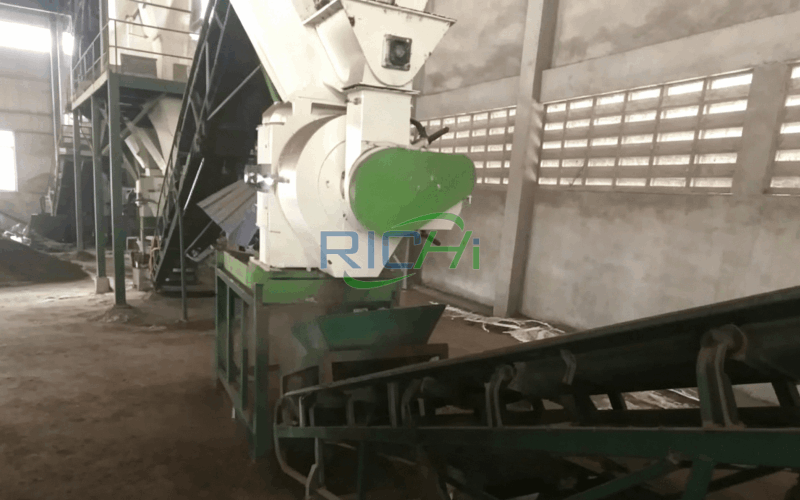
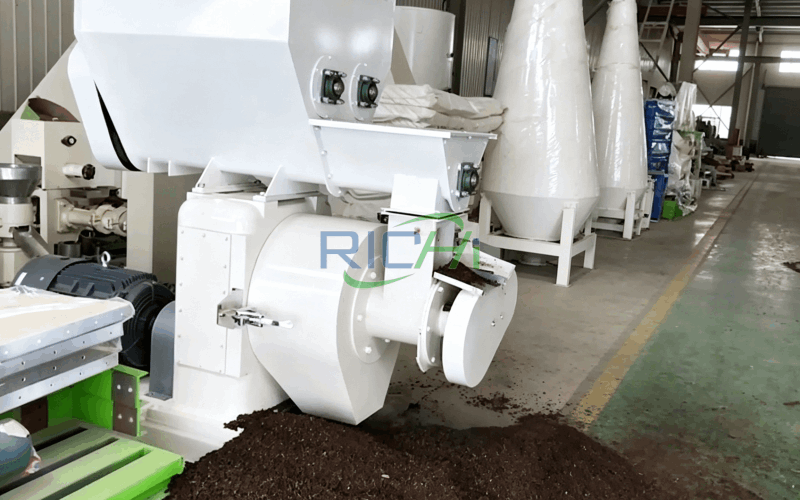
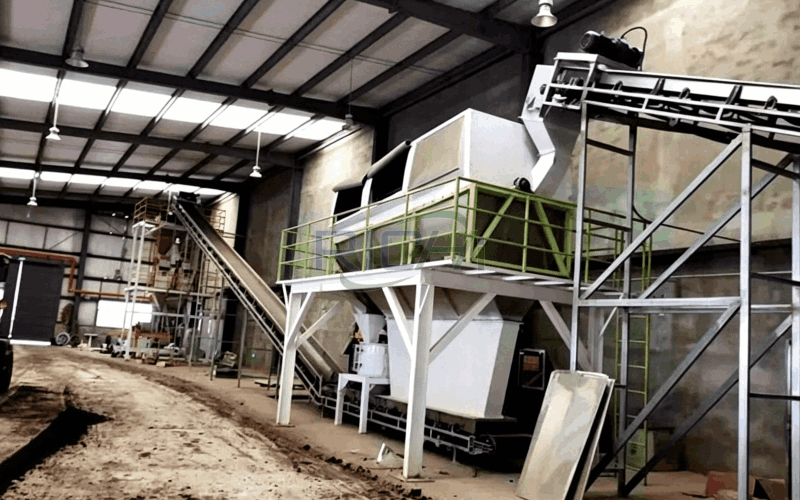
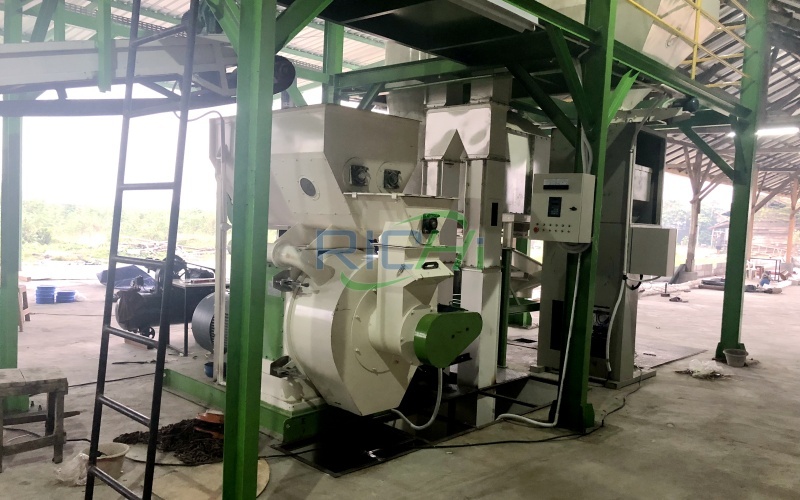
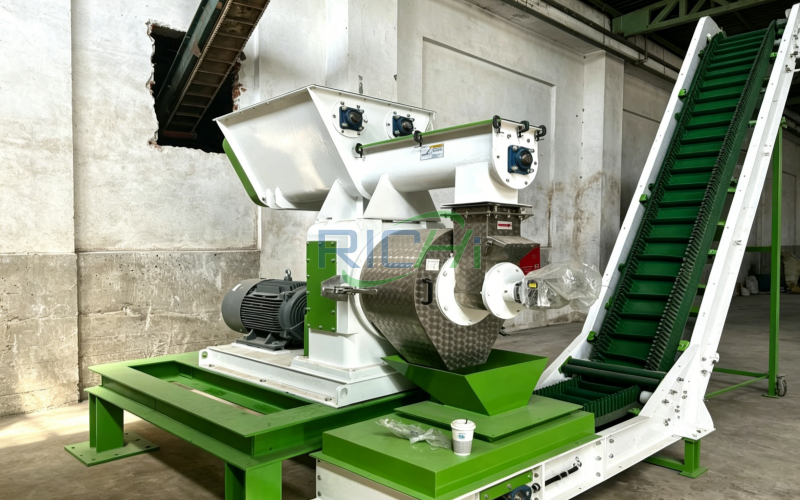
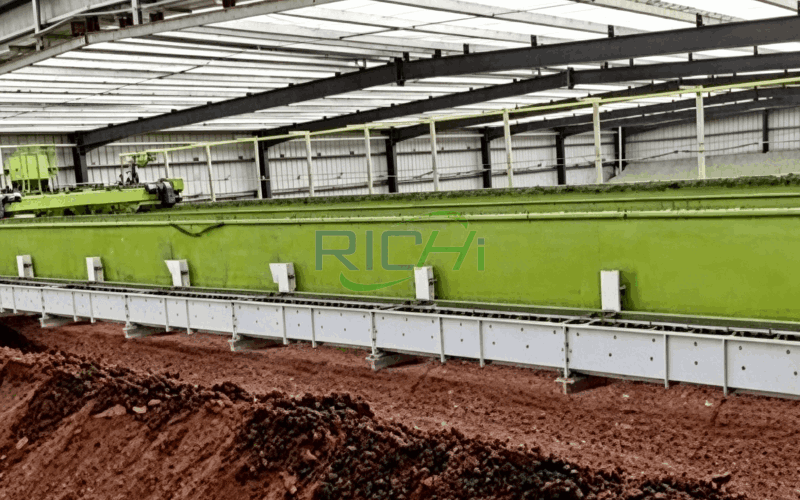
Here are several cases of our cow manure pelletizer being implemented overseas by smart enterprises. The main purposes are to produce organic fertilizer pellets or fuel pellets. Each customer has their own problems, and through using our pelletizer, all of them have been solved. Perhaps these cases can provide some references for you when choosing equipment.
Advantages of Cow Dung Pellet Machine
Why should you trust RICHI’s cow dung pellet making machine? We don’t just make promises; we back them up with facts. Every design is intended to help you solve practical problems.
Let’s start with the power and energy consumption. This equipment adopts a precise gear grinding gear transmission scheme, combined with Siemens motors, with power ranging from 22kW to 250kW. It has sufficient power and, more importantly, the energy loss during the transmission process is very small.
Then, looking at the feed inlet, we installed a variable frequency speed control device at the feed inlet. You can adjust the speed at any time according to the dryness and wetness of the cow dung. If the raw material is a little wet, let the raw material enter slowly; if the raw material is a little dry, let the raw material enter faster. The flexible adjustment results in energy savings.
High Efficiency and Energy Conservation
Our cow dung pelletizer body uses a thickened frame. During operation, there is only slight vibration, and the key parts such as the ring die and the press roller are naturally more stable. In case of blockage or overload, you don’t need to worry about damaging the equipment. The overload protection device will automatically intervene: the safety pin is disconnected, the limit switch triggers the stop, and the ring die, press roller, and gearbox will not be damaged. In addition, the forced lubrication and cooling system ensures that the equipment is not prone to sudden shutdown even when working continuously, and the reliability and durability are guaranteed.
Safe and Durable
The raw material formula often changes? it doesn’t matter. Whether it’s straw, rice husk or soybean meal, as long as you keep the moisture content within the appropriate range, this pelletizer can consistently produce pellets. If you want to produce pellets of different diameters, it’s very simple – just change the ring die with a different hole size. The compactness of the pellets can also be adjusted at will. The compression ratio of the ring die ranges from 1:10 to 1:18. You can make it looser or tighter as you wish.
Flexible Adaptation
The fibers in cow dung are quite long, which actually causes significant wear on the equipment. To address this issue, RICHI’s cow dung pelletizer uses ring dies forged from 42CrMo alloy steel. The surface is then hardened through carburizing treatment, achieving a hardness of HRC 58–62. Compared to ordinary stainless steel, its wear resistance is much better, and the overall service life of the cow dung pellet making machine is very long, making it more convenient to use.
Durable and Long-Lasting
Application Range of Cow Dung Pellet Machine
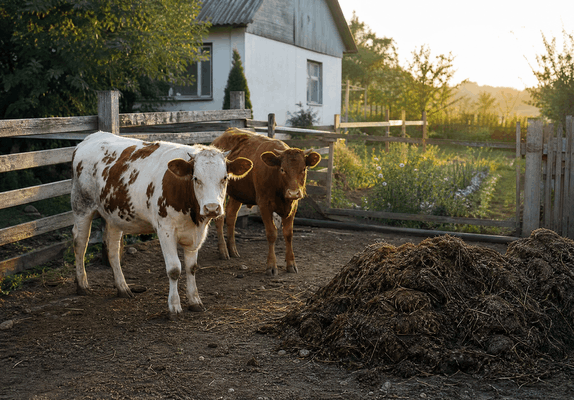
Our cow dung pellet making machine covers a production range from 1 ton per hour to 26 tons per hour, and can stably produce pellets with diameters of 4-12mm. Below, we have sorted out three typical application scenarios according to the size of the pellet machine models.
Family Farms and Small Livestock Farms
Applicable Models: FZLH250 / FZLH320 (1-3T/H)
These small-sized equipment are highly suitable for family farms and small livestock farms. They can meet the production needs of the farm and process the cow manure generated from the livestock into high-quality organic fertilizer. This fertilizer can be directly used for the farm’s orchards, vegetable fields, and various economic crop plantations. The excess fertilizer pellets can also be sold to neighboring farmers engaged in planting. Additionally, they can be combined with straw and other auxiliary materials to produce fuel pellets.

Medium-Sized Ranch, Local Fertilizer Processing Plant
Applicable models: FZLH350 / FZLH420 / FZLH520 (3-12T/H)
The medium-sized models can serve both self-use and sale purposes. They can not only efficiently handle the cow manure from the ranch, but also recycle and process the manure from nearby small-scale farms, processing it into standardized organic fertilizer pellets, and supplying them to local planting bases, orchards and large farms.
Alternatively, they can be combined with common agricultural waste such as straw, coffee grounds, and wood chips, and use multiple raw materials for compounding and pelletizing to produce agricultural organic fertilizer or biomass fuel pellets.

Large-Scale Ranch, Industrial Agricultural Enterprises
Applicable models: FZLH678 / FZLH768 (18-26T/H)
These large cow dung pellet making machines are mainly suitable for large-scale ranches and large-scale industrial agricultural enterprises. They need to be used in conjunction with a complete production line. The produced organic fertilizer pellets and biomass fuel pellets can not only meet local demands, but also supply to large agricultural supply dealers, large-scale planting bases across regions. They can also be long-term connected with large enterprises such as biomass power plants and centralized heating.

Production Process of Cow Dung Pellets
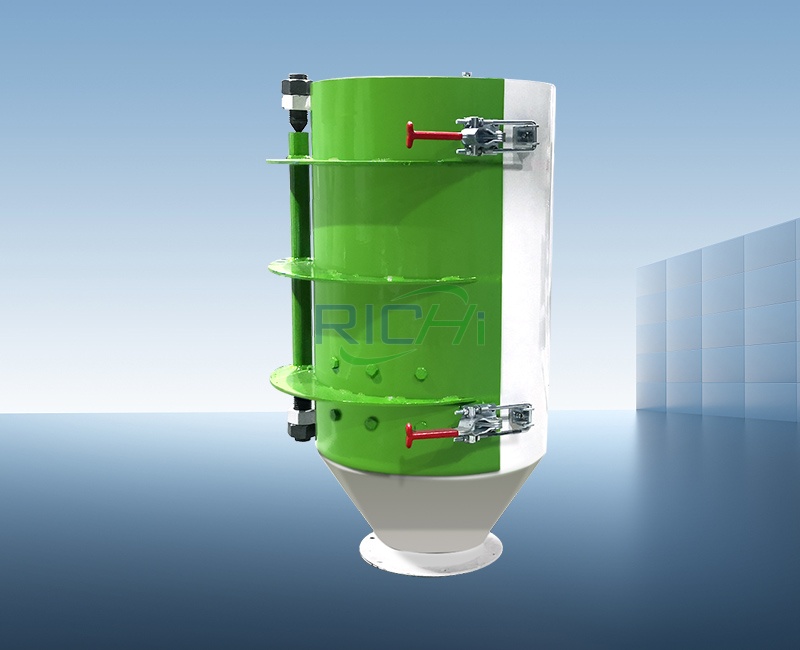
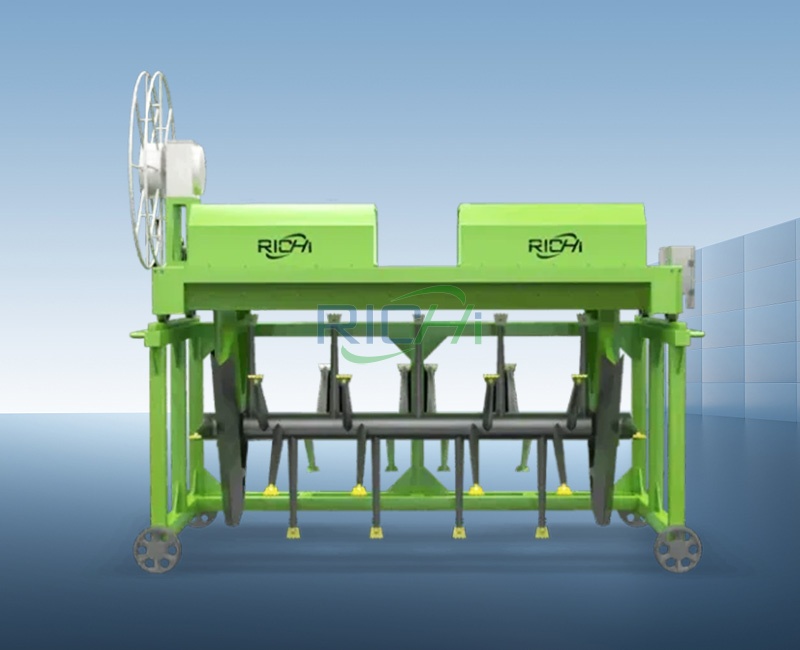
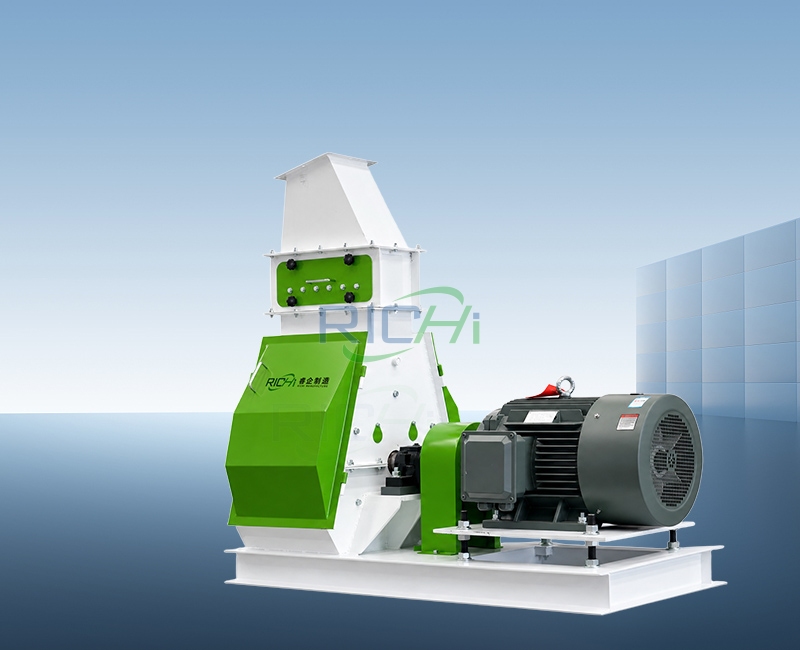
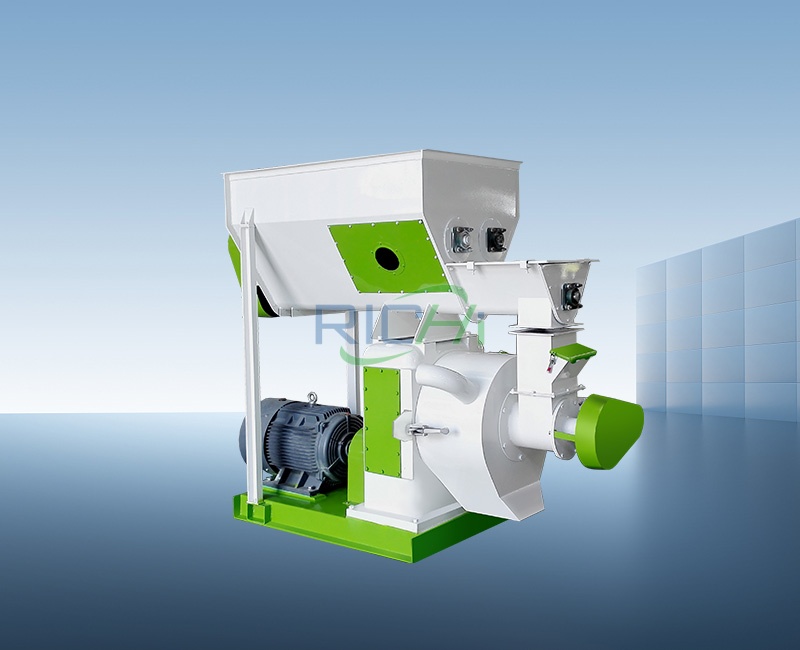
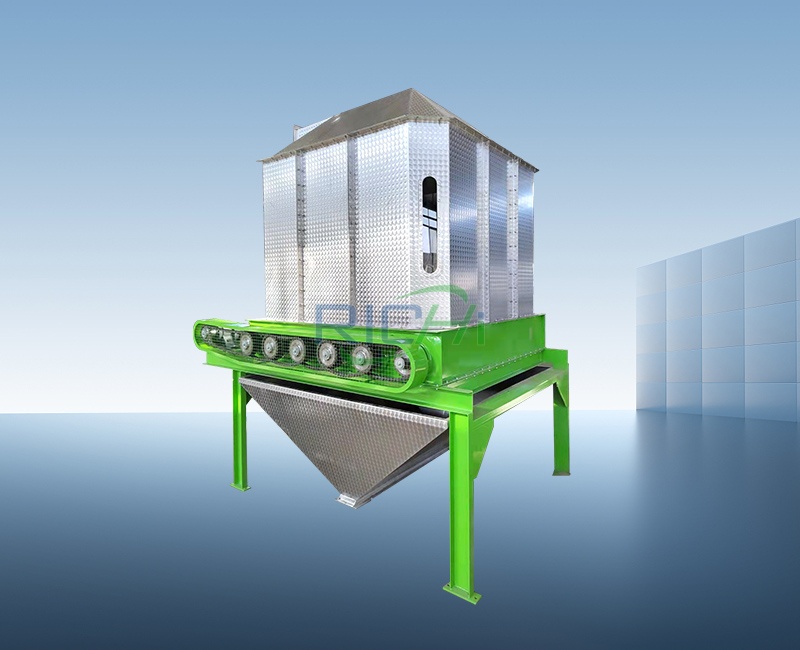
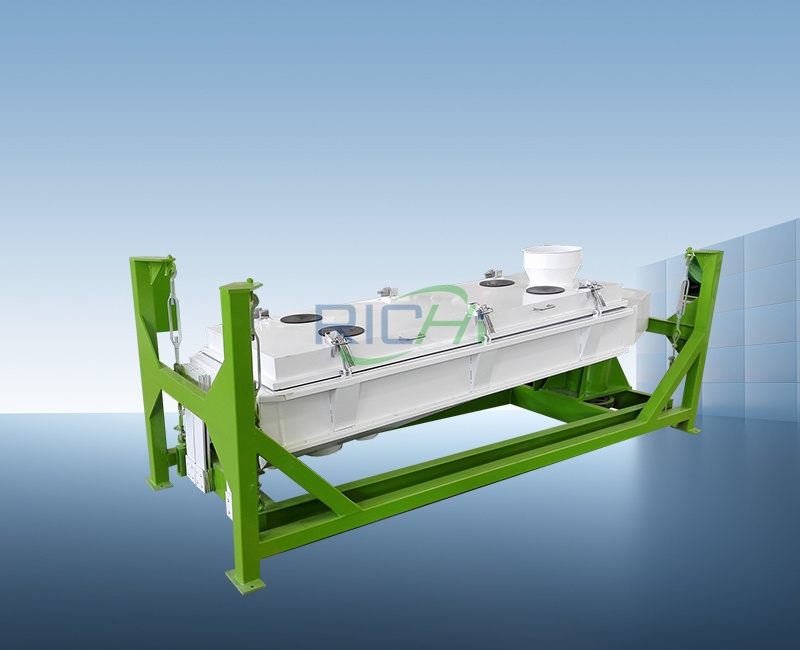
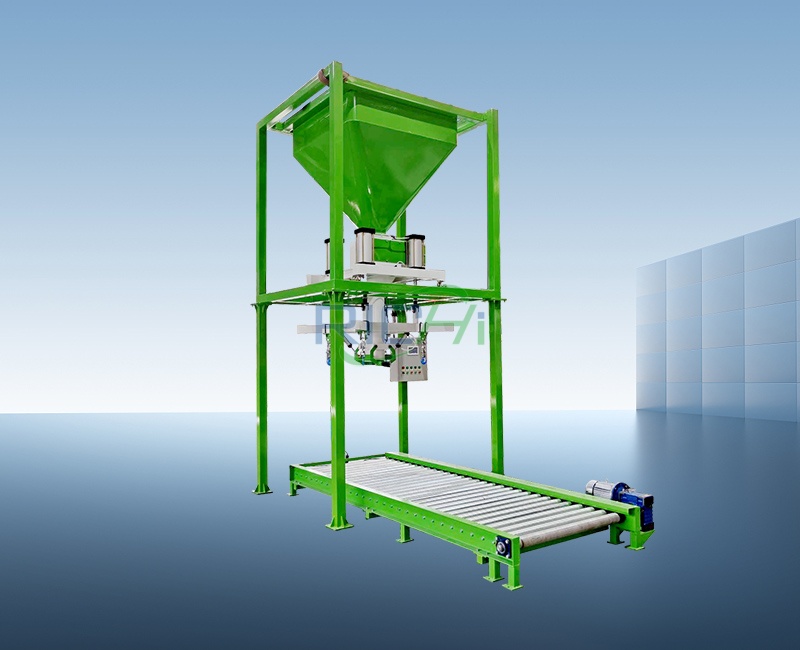
If you are an experienced producer of cow dung pellets, you must be well aware that pelletization is just one part of the entire production line. Besides the pelletizer, many other equipment are also needed to assist. RICHI not only sells cow dung pelletizers, but can also provide all the equipment for the entire production line for you. If you need it, you can also consult us.

Service Process
From the moment you contact us to discuss your requirements, to the actual implementation of the equipment in production, RICHI will be responsible for every step, helping you sort out the matters and ensure they are handled thoroughly.
Project Experience
30+
Years

Countries and Regions Served
140+

Projects Delivered
2000+

Factory Area
100,000+
㎡

About Us
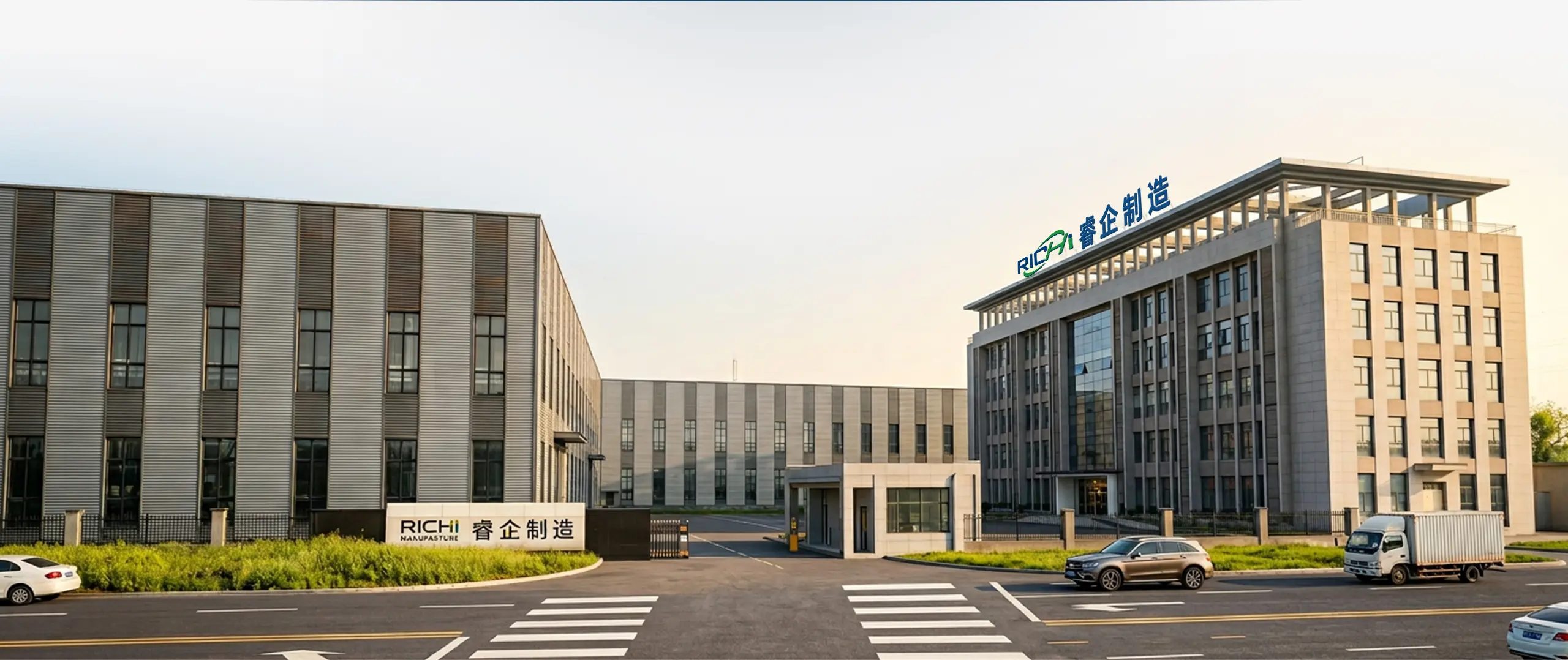
Henan RICHI Machinery Equipment Co., Ltd., established in 1995, primarily focuses on the research and development and manufacturing of feed machinery, biomass pelleting equipment, organic fertilizer pelleting equipment, and complete pelleting production lines. After more than 30 years of development, RICHI has become a professional pelleting machinery manufacturer. Our products are exported to over 140 countries and regions worldwide, earning the trust of customers both domestically and internationally.
Qualification Advantages
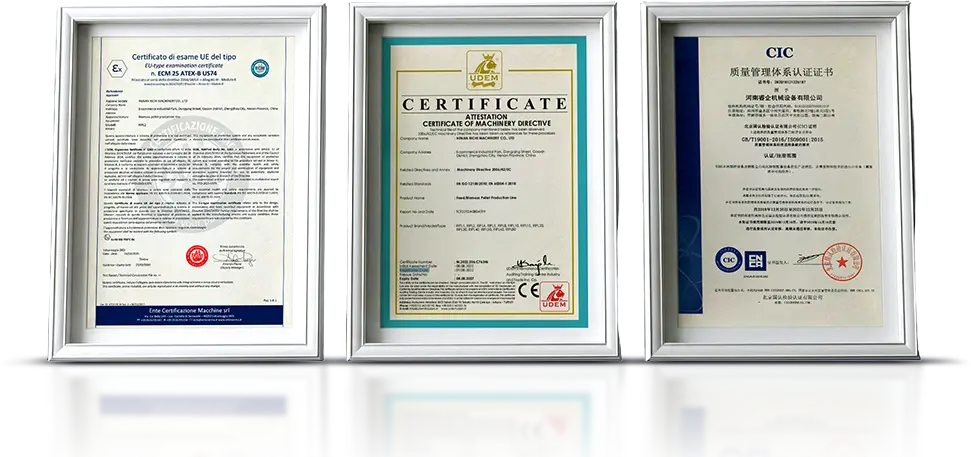
RICHI boasts numerous international authoritative certifications and patents, including ISO9001, CE, SGS, and TÜV. This means that the equipment you purchase can smoothly pass through customs and quality standards in various countries, with no customs clearance risks and compliant delivery. Choosing RICHI means choosing a guarantee of smooth global access and worry-free production.
FAQ
Here are common questions from customers – maybe you’ve got the same ones. Feel free to ask more.
Must the cow dung be fermented before being made into pellets?
→
This depends on the situation. If the produced pellets are organic fertilizer pellets, then they must be fully fermented. Usually, the composting process lasts for 15 to 30 days. Otherwise, if the unfermented cow dung is applied to the soil later, it may undergo secondary fermentation and cause plant damage.
If it is used to produce fuel pellets, no fermentation is necessary. Just control the water content and then crush and pelletize. Also, the cow manure bedding pellets do not need to be fermented, but need to be sterilized at high temperatures.
Will the cow dung produce an odor during the pelletization process? How to solve it?
→
Fresh cow dung has an ammonia smell and hydrogen sulfide smell, which is quite pungent. If it is directly pelletized without fermentation, these odors will be more obvious under high temperature and high pressure. We suggest that you perform aerobic composting before pelletization. Additionally, RICHI can also provide closed feeding systems and other odor removal solutions to ensure that you are not affected by the odor during the pelletization process.
Why are my cow dung pellets a bit loose and crumble when pressed?
→
There could be several reasons: the moisture content of the raw materials is too low, the pressure of the press roller is insufficient, and the fineness of the raw material’s crushing is not up to standard.
You can adjust the moisture content of the raw materials, increase the compression ratio of the ring die, or make the raw materials more finely crushed. Besides the pelletizer, we also provide crushing machines and other equipment. It can ensure that your raw materials are crushed properly. If you need it, you can also contact us.
How long does the freshly made pellets need to be dried before being bagged for sale?
→
If in a normal temperature and ventilated environment, drying for 4 to 8 hours is sufficient. This will make the pellets dry, have the required hardness, and be less prone to moisture absorption. If you want to bag them faster, you can also combine with cooling equipment. We also have cooling machines for sale. It allows you to pelletize and bag immediately, reducing waiting time.
This is my first time purchasing a cow dung pellet making machine. What should I pay attention to?
→
You can focus on these aspects:
① Raw material situation. First, confirm the moisture content, sand content, and presence of long fibers of your cow dung. For these issues, you may need to match other auxiliary equipment.
② Production purpose. If you are using it for organic fertilizer, you must first ferment. If you are making fuel pellets, you can ignore this step. These two different purposes may require different ring die hole diameters and compression ratios.
③ Manufacturer service. Choose a manufacturer that can provide sample trials, on-site installation guidance, and supply spare parts.
In fact, these aspects that you need to pay attention to have all been considered by RICHI. Whether it’s auxiliary equipment recommendations, production line configuration plans, pelletizer parameter adjustments, or manufacturer services, as long as you contact us, professional engineers will answer all of these.

