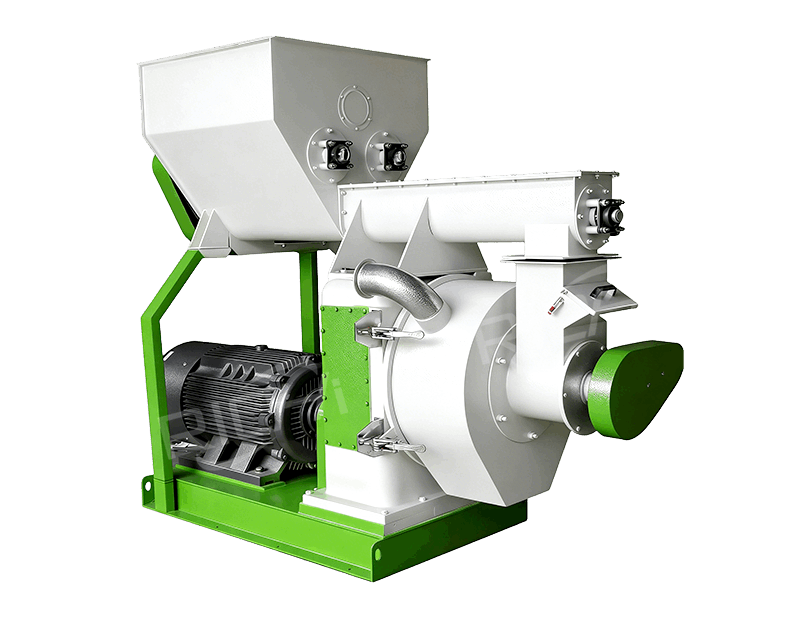
Peanut Shell Pellet Mill


Product Introduction
Wear-resistant Peanut Shell Pellet Mill
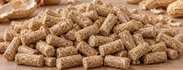
Capacity: 0.2-4 T/H
As one type of biomass pellet mill, the peanut shell pelleting machine can process peanut shells into fuel pellets, ruminant feed pellets, and livestock bedding. It is widely used in grain and oil processing, biomass energy, livestock and poultry farming, and other industries. Unlike traditional machines, the RICHI peanut shell pellet machine is specially optimized for peanut shells. These shells have high fiber content and low bulk density. The machine can achieve fast forming and high output.
This page gives you a detailed introduction to this peanut shell pellet mill. If you need help, please contact us for consultation.

Peanut Shell Pellet Mill Video
If you want to understand this machine more intuitively, you can watch a few videos. They show the pelletizing effect of the peanut shell pellet machine. They also show its actual application in pellet production lines.
2 T/H Peanut Shell Pellet Mill in Argentina

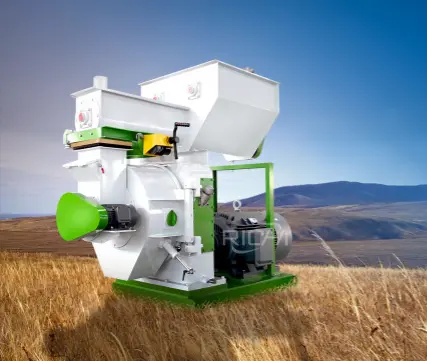
Performance of the Peanut Shell Pellet Machine During Trial Runs
Suitable Raw Materials
This peanut shell pellet mill is not limited to one raw material. You can also use it to process common shells on the market. Please tell us the raw material you use. We will adjust the machine parameters for your material and remind you of precautions during pelletizing.
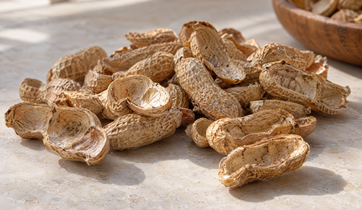
Peanut Shell
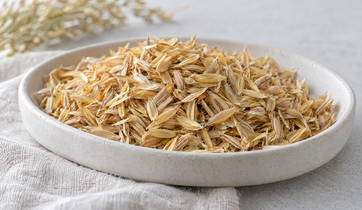
Rice Husk
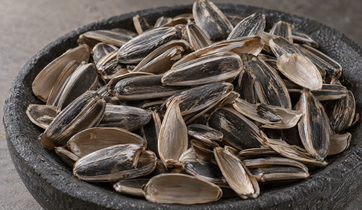
Sunflower Seed Shells

Palm Shell

Cottonseed Hulls
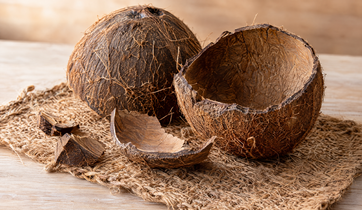
Coconut Shell

Walnut Shell
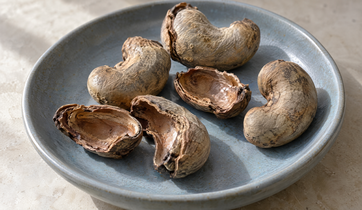
Cashew Shells
Peanut Shell Pellet Mill Components
Every component you see on the peanut shell pellet mill is necessary. Each one plays an important role in pelletizing. Working together, these components let the peanut shell pelletizer give full play to high efficiency and stability.


Feed Inlet
The feed inlet has a wider and larger opening. It is equipped with a double-roller arch-breaking structure. This prevents light and fluffy peanut shell material from bridging and arching.

Forced Feeder
It is located after the feed inlet. It forcibly pushes falling material into the pelletizing chamber. This avoids poor feeding and machine blockage.
Pelletizing Chamber
The pelletizing chamber contains a 42CrMo alloy steel ring die, a biomass pressure roller, and a cutter. They press the peanut shell material into shape and cut the pellets evenly.

Adjusting Rod
The adjusting rod adjusts the gap between the ring die and the pressure roller. A proper gap improves pellet forming. It helps avoid powder output and die blockage.
Hydraulic Quick-Release Cover
It can lock the ring die quickly. It keeps the ring die from loosening during high-speed operation. It also makes it easy to open the chamber for cleaning blockages and changing the ring die.
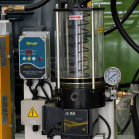
Automatic Grease Pump
It can automatically add grease to the pressure roller bearings at set times and in set amounts. This reduces wear and extends the service life of the peanut shell pellet machine.

Peanut Shell Pellet Mill Parameters
The table below lists different models of this peanut shell pellet mill and their parameters. Each model is suitable for different working conditions and scenarios. All of them can produce high-quality peanut shell pellets. If needed, please contact us for an accurate model recommendation.
| Model | MZLH320 | MZLH350 | MZLH420 | MZLH520 | MZLH678 | MZLH768 |
| Main Motor Power (kW) | 22 | 37 | 90 | 132 | 200 | 250 |
| Anti-bridge Feeder Power (kW) | 2.2 | 2.2 | 3 | 3 | 3 | 4 |
| Forced Feeder Power (kW) | 0.75 | 0.75 | 1.5 | 1.5 | 1.5 | 1.5 |
| Ring Die Inner Diameter (mm) | 320 | 350 | 420 | 520 | 673 | 762 |
| Finished Pellet Diameter (mm) | 4-12 | |||||
| Output (T/H) | 0.2-0.3 | 0.3-0.5 | 1.0-1.2 | 1.5-2.0 | 2.5-3.0 | 3.0-4.0 |
Note: The above output data is the output of the whole production line under rated working conditions. Actual output depends on raw materials and their moisture content. Please do not treat it as an absolute guarantee.
Peanut Shell Pellet Mill Global Case Studies
RICHI has been involved in pelletizing equipment manufacturing for more than 30 years. We have worked with customers from different countries around the world. We understand their different needs. Rich case experience and technical accumulation have created our outstanding results.

1.8–2 T/H Peanut Shell Pellet Making Machine in India
This project was launched in India in 2024. Our customer is a local oil pressing group. The customer uses peanut shells as the main raw material. They produce 8 mm finished pellets and sell them as fuel for industrial boilers. The customer’s goal was for the peanut shell pellet machine to run continuously for long periods. This goal has been achieved.
2 T/H Peanut Shell Pellet Mill in Nigeria
This customer comes from an alliance of peanut pressing workshops. They wanted to produce 10 mm fuel pellets for local small drying kilns. The customer’s biggest requirement was simple equipment maintenance. Workers should be able to handle problems such as material blockage on their own. Our peanut shell pellet mill has a simple design and low downtime risk. It meets the customer’s needs.

2 T/H Peanut Shell Pellet Machine in Argentina
A customer from a horticultural seedling substrate processing plant bought our peanut shell pellet mill. The project was officially put into production in 2025. Their raw materials are peanut shells and wheat straw. Their main requirement was that the pellets should disperse quickly after entering water. The finished pellets are easier for the customer to pack and transport. The customer has opened up many export sales channels.

1.5–2 T/H Peanut Shell Pellet Maker in Brazil
Peanut shell raw materials change greatly with the seasons. In peak season, the customer uses peanut shells as the main raw material. In off-season, the customer switches to other biomass raw materials. The finished pellets are supplied to heating plants. We helped the customer adjust specific parameters. This lets the customer use one machine for multiple materials and avoid idle machines in the off-season.

1.5 T/H Peanut Shell Pellet Machine in the United States
The customer is a peanut processing plant. They built a complete peanut shell pellet production line. They use this peanut shell pelletizer to process peanut shell waste from the plant. The customer mainly produces 6 mm diameter fuel pellets. These pellets are first supplied to the plant’s heating boilers.
1–1.5 T/H Peanut Shell Pelletizer in Egypt
This is a cattle and sheep breeding cooperative in Egypt. The customer uses a peanut shell pellet machine to alternately produce 4 mm feed pellets and 8 mm bedding pellets. They pay special attention to moisture protection in the raw material warehouse. Their finished pellets are high in quality. By producing their own pellets, they have reduced many external purchase costs.
Peanut Shell Pellet Mill Advantages
Our pellet mill is different from traditional peanut husk pellet machines. It has gone through years of iteration and updates. It has many advantages. These advantages create good conditions for your production and bring you more economic benefits.
The ring die of this peanut shell pellet mill is made of 42CrMo alloy steel. The pressure roller is a pressure roller specially designed for biomass. These are wear parts. Compared with ordinary peanut shell pellet machines, they have a longer service cycle.
Long Service Life
As mentioned above, our equipment can process peanut shells. It can also process many other common shells. It can make biomass fuel, ruminant feed, and livestock bedding. Even in the off-season for peanut shell raw materials, you can switch raw materials and keep producing.
Wide Range of Uses
The machine is equipped with an overload protection device. If overload or blockage occurs, the safety pin will be cut. This triggers the protection mechanism. It prevents machine damage and reduces repair costs.
High Safety

Peanut Shell Pellets Production Process
Producing high-quality peanut shell pellets requires a complete peanut shell pellet production line. This line covers a series of production processes. RICHI is an experienced pelletizing equipment supplier. We know the key points of each process.

01.
Preprocessing
Peanut shells often contain soil clods or coarse mud and sand because of how peanuts grow. You need special cleaning equipment to remove impurities. You also need a crushing device to crush the peanut shells into finer material. This protects downstream equipment and improves the purity of peanut shell pellets.
02.
Drying
Before pelletizing, test the moisture content of peanut shells. The best moisture content for peanut shell pelletizing is about 10%–15%. Peanut shells have many pores. They easily absorb moisture in rainy and humid weather. If moisture is too high, the finished pellets will be loose and hard to form. The drying step is very important.
03.
Pelletizing
This is the core step in making peanut shell pellets. It uses the peanut shell pellet mill introduced on this page. Peanut shell powder that has passed the previous steps is sent into the pelletizing chamber. The ring die and pressure roller squeeze it. The material is extruded from the die holes into long strips. Then the cutter cuts it into uniform pellets.
04.
Cooling
If you want efficient pellet production, cooling is very helpful. Peanut shell pellets coming out of the pellet mill are hot and soft because of friction and extrusion. Cooling quickly lowers their temperature to room temperature. It also makes the pellet structure compact and reduces the chance of breakage.
05.
Screening
High-quality peanut shell pellets should have good appearance and uniform size. Screening serves this purpose. Use screening equipment to remove broken powder, fine residue, and pellets that do not meet the size requirement. Only pellets of uniform size go to the next step.
06.
Packing
This is the last step in the whole peanut shell pellet production process. It collects qualified finished pellets into bags for storage, transfer, and container export. We can provide packaging equipment with different levels of automation. Higher automation means lower labor cost.
Auxiliary Equipment for Producing Peanut Shell Pellets
The peanut shell pellet mill is used in the pelletizing section. What auxiliary equipment is needed for the other processes mentioned above? The following items are indispensable. RICHI can provide a single auxiliary machine or customize a complete peanut shell pellet production line for you.
Peanut Shell Cleaning Sieve
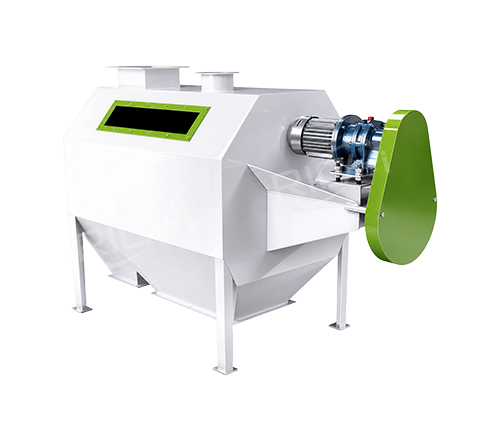
Peanut Shell Crusher
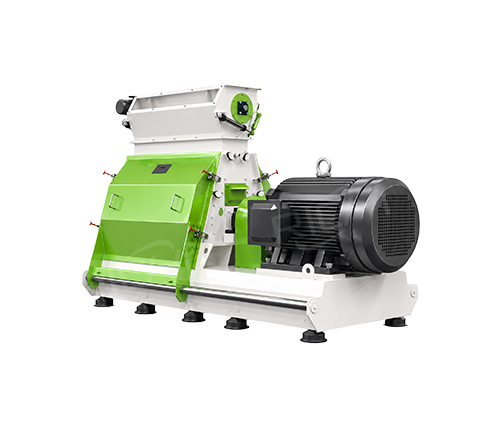
Peanut Shell Dryer
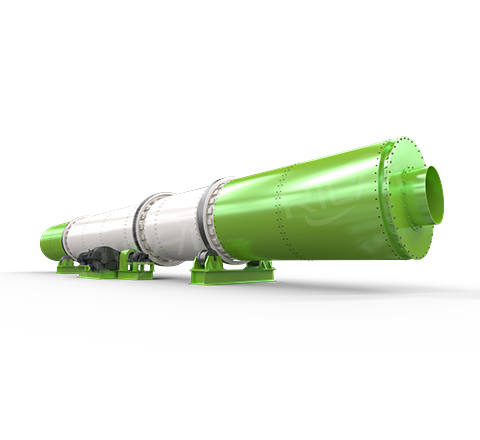
Peanut Shell Pellet Cooler

Peanut Shell Pellet Screening Machine
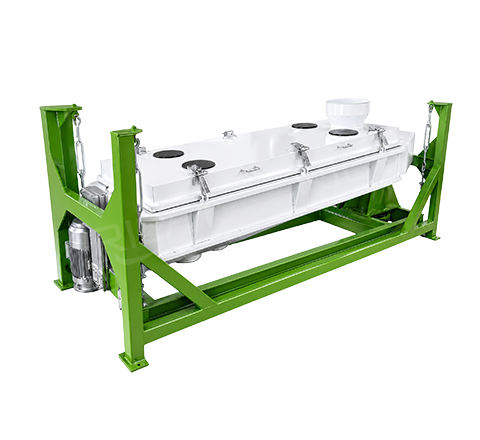
Peanut Shell Pellet Packaging Scale
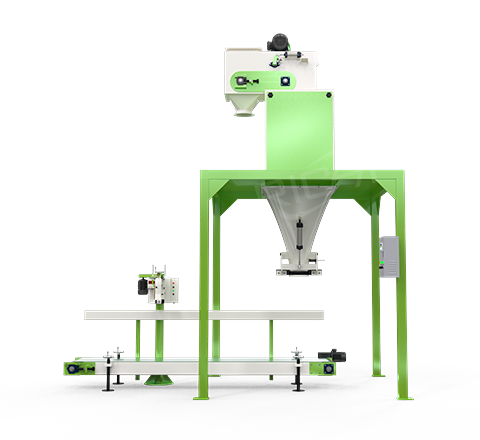
FAQ
We have served thousands of clients. Their questions and needs are different. Below are some questions that most customers often ask, with answers. We hope they are helpful to you.
Can pure peanut shells be used directly as feed for ruminants?
→
It is best not to. Peanut shells are high in crude fiber and low in nutritional value. We recommend mixing them with corn, wheat bran, and other ingredients before pelletizing.
Is it troublesome to maintain a peanut shell pellet mill?
→
No, it is not troublesome. Our peanut shell pellet equipment comes standard with an automatic lubrication pump. This saves frequent manual grease application. The hydraulic quick-release structure makes die cleaning and die changing easier. Please note that you also need to check wear parts regularly.
Can I customize the pellet size?
→
Yes. We support custom ring die hole sizes to control pellet size. We can process pellets with a diameter of 4–12 mm. Common peanut shell pellet sizes on the market are 6 mm, 8 mm, 10 mm, and 12 mm. You can customize them according to your needs.
If I only do seasonal production, how should I maintain the peanut shell pellet machine when it is not in use?
→
Before long-term idle storage, clean out leftover material in the die holes. Clean dust and residual material in the hopper and pipes. Protect the whole peanut shell pellet press from dust and moisture. Protect the electrical control cabinet from water. This prevents motor damage from moisture.
If peanut kernels are mixed in with the peanut shells, will it affect the pelletizing process?
→
Yes, it has an impact. Peanut kernels have high oil content. Under the high-temperature extrusion of the ring die and pressure roller, the oil will separate out. It will stick to the walls of the ring die holes in the peanut shell pellet mill. Over time, it will cause die blockage. It will also make peanut shell pellets soft and prone to oiling and mold. Therefore, we recommend screening before pelletizing.

Why Choose RICHI
Our peanut shell pellet mills have been sold to more than 140 countries and regions around the world. They have received wide praise from customers. This feedback comes from RICHI’s long-term project experience and a series of its own advantages.
Project Experience
30+
Years

Countries and Regions Served
140+

Projects Delivered
2000+

Factory Area
100,000+
㎡

About Us
Henan RICHI Machinery Co., Ltd.,(睿企机械) established in 1995, primarily focuses on the research and development and manufacturing of feed machinery, biomass pelleting equipment, organic fertilizer pelleting equipment, and complete pelleting production lines. After more than 30 years of development, RICHI has become a professional pelleting machinery manufacturer. Our products are exported to over 140 countries and regions worldwide, earning the trust of customers both domestically and internationally.

Qualification Advantages
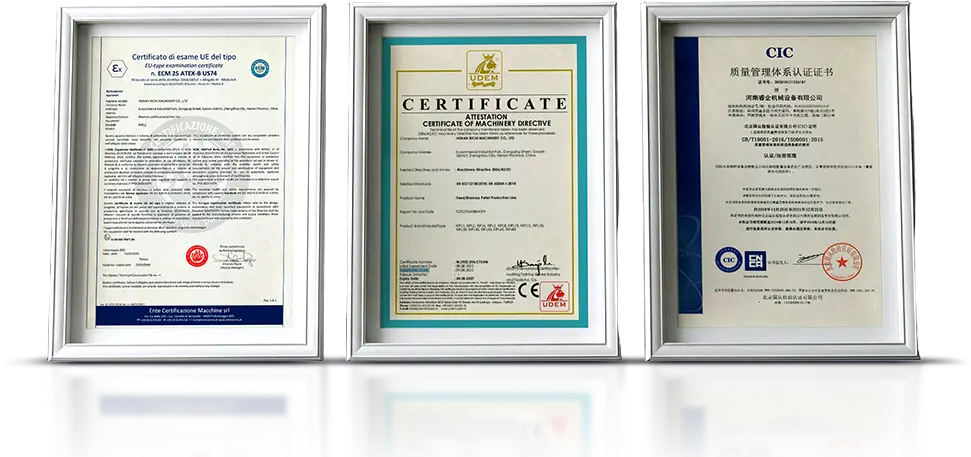
RICHI boasts numerous international authoritative certifications and patents, including ISO9001, CE, SGS, and TÜV. This means that the equipment you purchase can smoothly pass through customs and quality standards in various countries, with no customs clearance risks and compliant delivery. Choosing RICHI means choosing a guarantee of smooth global access and worry-free production.