
According to different customer needs, RICHI
Fish Feed Production Line
Different fish species, different formulas, different raw materials, and different production capacities. RICHI fish feed production line can solve all of them for you. We can customize an exclusive production plan for you.

What is a Fish Feed Production Line
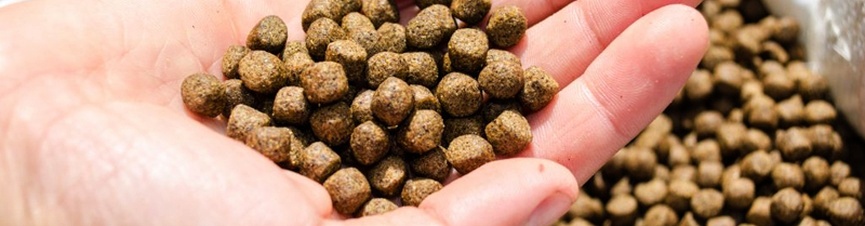
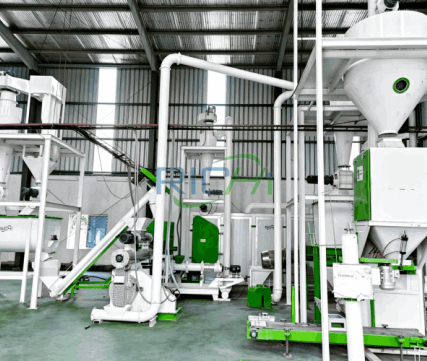
A fish feed production line is a complete fish feed pellet production system. It can process fishmeal, corn, soybean meal, rice bran, and other raw materials into high-quality fish feed pellets. The RICHI fish feed processing line mainly includes crushing, mixing, extrusion, drying, oil spraying, cooling, screening, and packaging stages. It also supports the production of floating, sinking, and slow-sinking fish feed. It meets the needs of family-scale, medium-sized commercial, and large-scale aquatic feed production plants.
If your fish species and feed formula are unique, or if you have special requirements for fish feed size and capacity, we can also provide customized fish food processing line solutions.
Capacity: 0.2-12 T/H
Price: $150,000-$1,200,000
Pellet Size: 0.3-12 mm

Fish Feed Production Line Video
Do you want to know how a complete fish feed production line works? These videos may be helpful. They show the production process and operation effect of the whole feed pellet production line.
0.5 T/H Fish Feed Production Line in Bangladesh


1.5–2 T/H Fish Feed Processing Line in Russia
What Kinds of Fish Feed Can Be Produced
To meet the feeding needs of fish at different growth stages, the RICHI fish feed production line can flexibly control feed type, pellet size, and buoyancy. It does this by adjusting the production process and various parameters. So, what specific types of fish feed can this fish feed processing line produce?
| Feed Type | Feed Characteristics | Common Applications |
|---|---|---|
| Floating Fish Feed | floats on the water surface for a long time | tilapia, carp, etc. |
| Sinking Fish Feed | can sink quickly | bottom-dwelling fish |
| Slow-Sinking Fish Feed | slowly sinks to the bottom | suitable for different fish |
| Juvenile Fish Feed | small pellet size | juvenile fish, fry |
| High-Protein Fish Feed | high protein content | intensive farming |

How to Make Fish Feed
Why do fish feed pellets produced on different fish feed production lines have different results, even when the same formula and raw materials are used? The problem may be in the production process. Below are some essential processing steps for producing fish feed pellets. These are also the complete process that RICHI can provide for you.
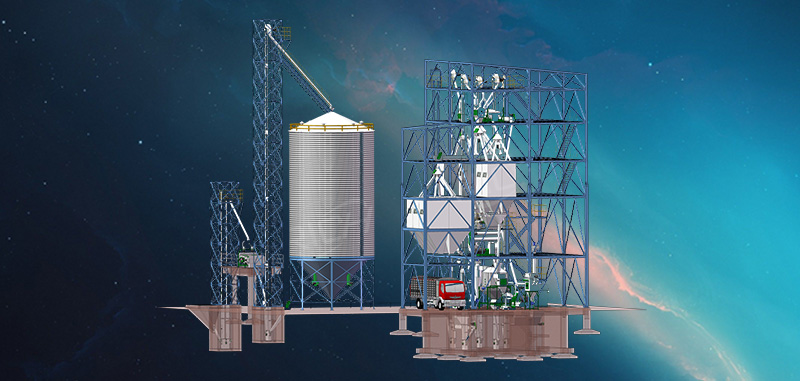
01.
Crushing
Before producing fish feed, the crushing stage is essential. This step needs to crush raw materials to a suitable fineness. It keeps raw materials uniform and fine. It helps the later mixing and extrusion stages. In the end, it improves the structure and forming effect of fish feed pellets.
02.
Mixing
The crushed raw materials need to be fully mixed in a certain proportion. At this stage, you can also add premix, vitamins, minerals, and other nutrients. When all these are evenly mixed, the fish feed pellets will not have unbalanced nutrition. This effectively ensures the quality of the fish feed.
03.
Extrusion
If you want to make high-quality fish feed, this step is the core of the whole fish feed production line. The evenly mixed materials are affected by temperature, pressure, and mechanical shearing in the extruder. In this way, they complete cooking, extrusion, and forming. Extrusion can also be divided into wet and dry processes. You need to choose according to your needs.
04.
Drying
If the fish feed pellets go through wet extrusion, they often contain high moisture. To reduce the risk of mold and spoilage, you need to use drying equipment to lower the moisture content. In this step, a uniform and gentle drying process also helps keep the fish feed pellets intact.
05.
Spraying
You can spray oil on dried fish feed pellets according to your needs. With a spraying machine, fish oil, vegetable oil, or other liquid nutrients are evenly sprayed on the surface of the fish feed pellets. This step supplements fat and energy in the fish feed. It also improves palatability.
06.
Cooling
The extrusion friction in the extrusion stage and the high temperature in the drying stage make fish feed pellets hot. Before packaging, they need to be cooled. The temperature of the fish feed pellets should drop to room temperature. Then they reach a state suitable for packaging and storage. Proper cooling can also reduce caking of fish feed pellets.
07.
Screening
To keep the finished fish feed pellets in good appearance, they need careful screening. This removes powder, broken pellets, and pellets with unqualified sizes that may be produced during production. After careful screening, the appearance of fish feed pellets is more uniform. This is also better for sales.
08.
Packaging
This is the last stage of the fish feed processing line. We recommend an automatic weighing and packaging machine. It can reduce a lot of labor cost. You can set the weight you need. It will automatically weigh and package qualified fish feed. This improves packaging efficiency and measurement accuracy.
Global Fish Feed Production Line Case Studies
RICHI has customized different fish feed production line projects according to different customer needs. These pellet plant projects have been implemented in more than 140 countries and regions around the world. Below are several representative cases for your reference.
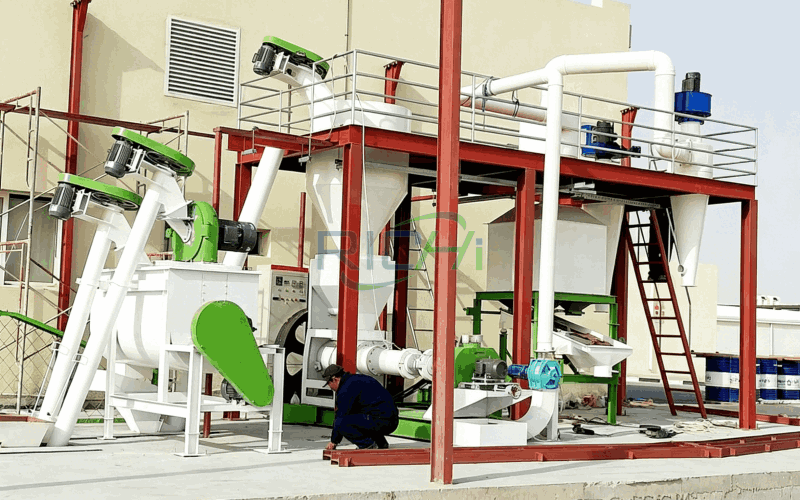
1 T/H Fish Food Processing Line In Qatar
Raw Materials: fishmeal, soybean meal, wheat flour, rice bran, fish oil, vitamins, etc.
Target Fish Species: tilapia, catfish
This is a small floating fish feed production line. The customer uses a dry single-screw extruder machine. It can adapt to the local high-temperature and dry conditions. The whole production line covers a small area. It is easy to operate and maintain.

1.5 T/H Fish Feed Processing Line In Indonesia
Raw Materials: soybean meal, fishmeal, rice bran, palm meal, corn, tapioca flour, fish oil, etc.
Target Fish Species: tilapia, milkfish, catfish
The customer uses a dry single-screw extruder as the main equipment. It produces floating fish feed pellets. We specially treated the production line equipment for moisture protection and corrosion protection. This is because the customer’s location has a high-humidity environment.
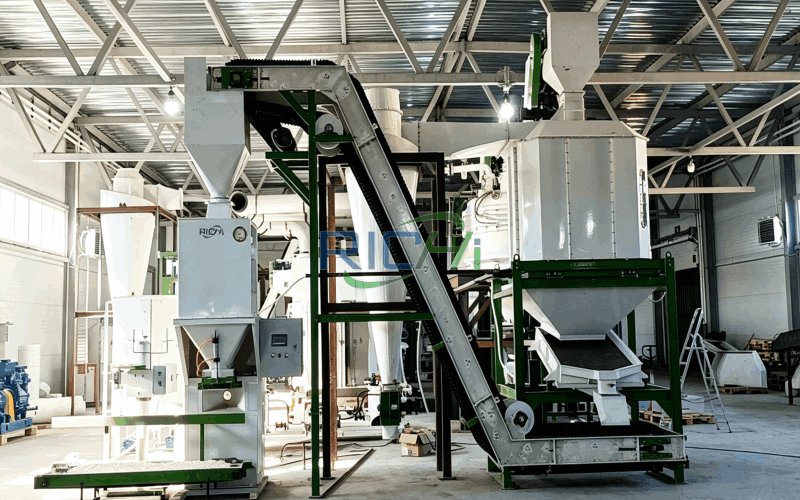
2 T/H Fish Feed Production Line In Russia
Raw Materials: fishmeal, soybean meal, wheat flour, fish oil, vitamins, mineral premix, etc.
Equipment: rainbow trout, sturgeon
The customer in this project mainly produces slow-sinking and sinking fish feed pellets. A vacuum spraying machine was specially added. It increases the oil content of fish feed pellets and improves palatability. The feed produced has strong water resistance and low powder content.
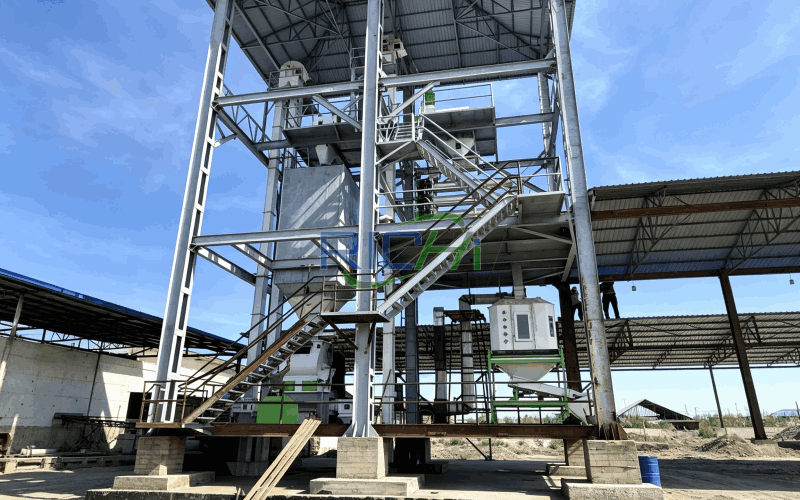
5 T/H Fish Feed Processing Line In Uzbekistan
Raw Materials: soybean meal, cottonseed meal, rapeseed meal, corn, wheat, fishmeal, mineral premix, etc.
Target Fish Species: carp, grass carp, crucian carp
The customer specializes in sinking fish feed pellets. In the production line they bought, besides other conventional equipment, they use a three-layer conditioner pellet mill. Its steam conditioning is thorough. The feed has a long water resistance time. It is suitable for large-scale aquaculture of local fish species.

1.5-2 T/H Fish Feed Production Line In Iran
Raw Materials: fishmeal, soybean meal, wheat flour, fish oil, vegetable oil, vitamin and mineral premix, etc.
Target Fish Species: rainbow trout, carp
The customer wanted to use one fish feed production line to produce feed of different varieties and formulas. RICHI customized a special production plan for the customer. We also gave detailed guidance on how to change equipment parameters. This lets the customer flexibly adjust the formula.

6 T/H Floating Fish Feed Production Line In Argentina
Raw Materials: fishmeal, soybean meal, corn gluten meal, wheat, fish oil, vegetable oil, premix, etc.
Target Fish Species: tilapia, salmon, trout, shrimp, and crab
This is a large floating fish feed plant. The customer required the production line to flexibly switch between floating and sinking feed. They also required a high degree of automation. We provided a dust removal system and a central electrical control system. These are very suitable for continuous and stable production in large aquatic feed plants.

Feedback on Fish Feed Production Line
How do you judge whether a fish feed production line is really good? Besides understanding its equipment parameters, you also need to refer to actual operation results. The most direct operation results often come from customer feedback.
Complete Set of Fish Feed Production Line Equipment
Producing high-quality fish feed pellets cannot be done by just one machine. RICHI can flexibly configure a complete set of production line equipment according to your capacity needs and raw material types. Below are several common core machines.
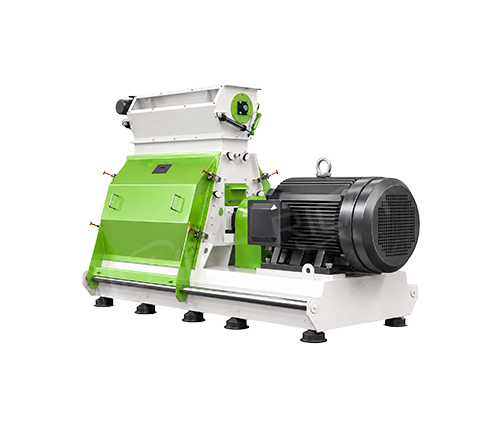
Raw Material Crusher
It uses high-speed hammers to hit materials. It crushes corn, soybean meal, and other materials to a suitable pellet size. It is equipped with replaceable screens of 1.5-12 mm. In this way, it controls the fineness of the output.
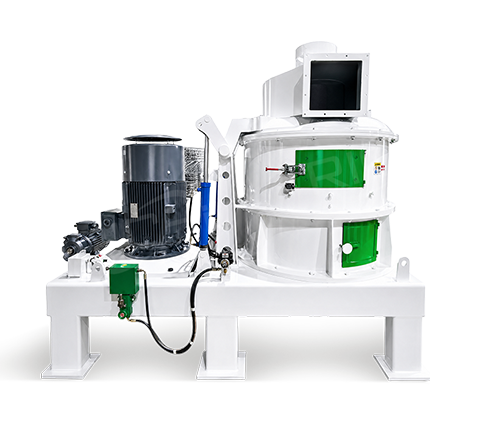
Ultrafine Pulverizer
It can further crush raw materials to 80-100 mesh. It is suitable for feed for fry, shrimp, and other feed with high fineness requirements. It can effectively improve material uniformity and starch gelatinization.
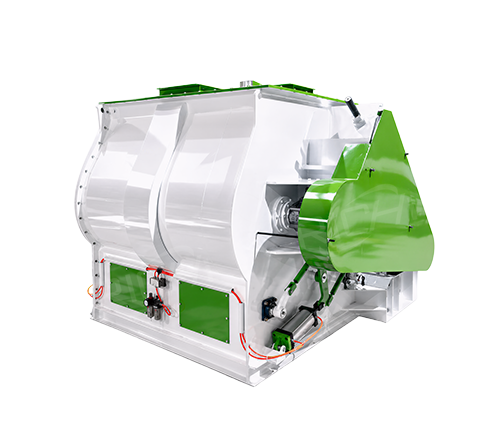
Raw Material Mixing Machine
Most of them use a twin-shaft paddle or horizontal mixing structure. It can evenly mix various powders, trace additives, and oils. It reduces nutritional deviation. The mixing uniformity can reach CV ≤ 5%.
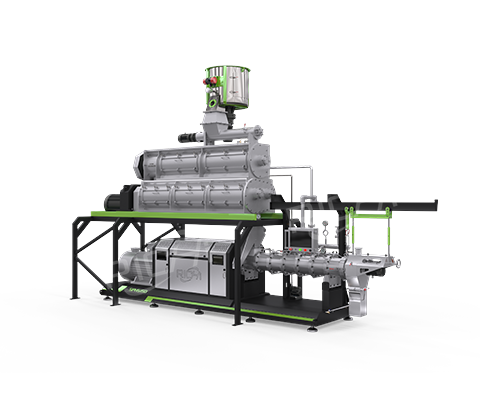
Fish Feed Extruder
Its principle is to let the screw convey, shear, and squeeze materials. This promotes material cooking and forming. By adjusting screw speed, feed amount, and die parameters, it can produce floating and slow-sinking fish feed.
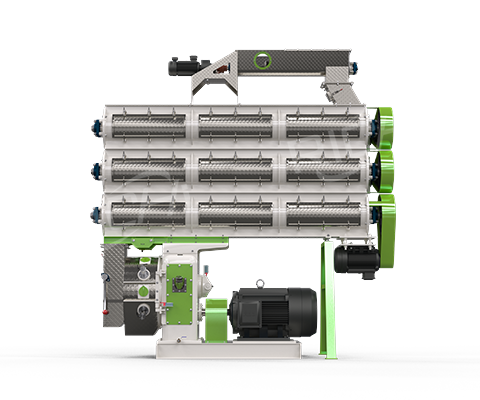
Fish Feed Pellet Mill
It is mainly used to produce sinking fish feed. Its principle is to let the ring die and pressure roller squeeze materials. Compared with the extruder, its extrusion degree is lower. The feed pellets are denser. Pellet size is achieved by changing the ring die hole diameter.
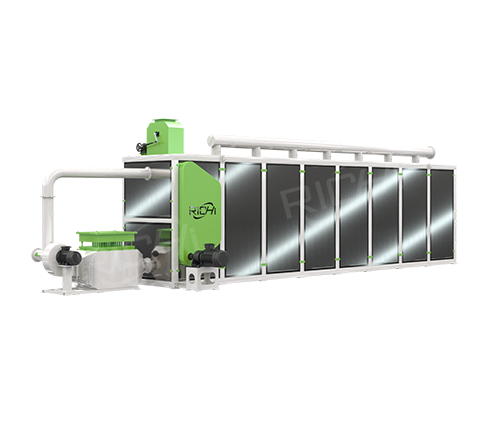
Fish Feed Dryer
It mostly uses a mesh belt dryer. The drying process is gentler. It can control drying temperature and air volume by zones. It precisely controls the moisture content of fish feed pellets within 10%.
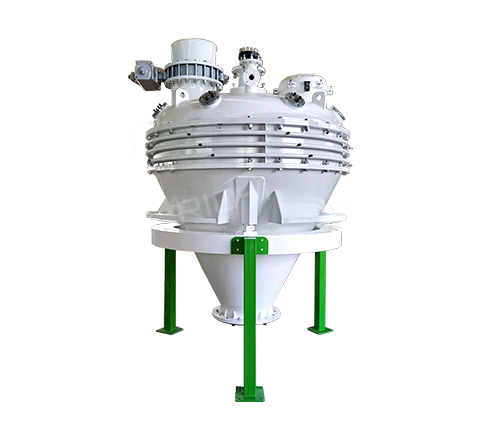
Vacuum Spraying Machine
It is used to fill oil and other liquid nutrients into the inside of fish feed pellets. It can improve palatability and supplement more nutrition. Its principle is negative pressure impregnation.
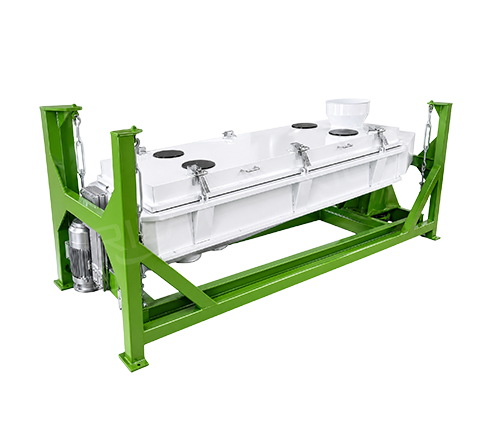
Fish Feed Screening Machine
Equipped with multiple layers of screens, it can accurately separate powder, broken pellets, and qualified pellets from fish feed pellets. By using screens with different aperture sizes, fish feed pellets of different sizes can be screened.
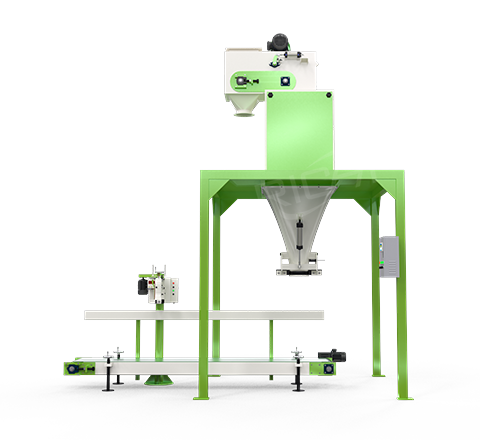
Fish Feed Packaging Scale
This device is used for the automatic weighing of fish feed pellets. With its weighing and automatic control system, it can quickly weigh and package bags of 5-50 kg each, with an accuracy within ±0.2%.
FAQ
Below are some common questions from customers who buy fish food processing lines. We have summarized and listed them for your reference. If you have other questions, please contact us directly.
What raw materials can a fish feed production line process?
→
A RICHI fish feed production line has strong adaptability. It can process most raw materials, such as fishmeal, soybean meal, corn, wheat, flour, rice bran, rapeseed meal, peanut meal, and various vitamins, minerals, and oils.
What is the investment cost of a fish food processing line?
→
The price range of a RICHI fish feed production line is about US$150,000-1,200,000. Its investment cost has no fixed standard. The specific amount depends on your target capacity, fish feed type, and equipment configuration. Welcome to contact us and provide your situation and information. We will give you a detailed and latest quotation.
What are the main sources of operating costs for a fish feed processing line ?
→
Electricity, steam or fuel, raw materials, wear parts, labor, and equipment maintenance are common operating costs of a fish feed plant. In the whole fish feed production line, extrusion and drying are two stages with relatively high energy consumption.
What capacity fish feed production line should I choose?
→
The target capacity of a fish food processing line is usually determined by factors such as local market demand, raw material supply, and expected sales scale. If you are not sure, you can first refer to the range below.
Small-Scale Fish Feed Production: 0.2-0.5T/H
Medium-Scale Fish Feed Production: 1-3T/H
Large-Scale Fish Feed Production Plant: 5-10T/H
Industrial-Scale Large Fish Feed Production Plant: 10+ T/H
Can you provide fish feed production formulas and technical support?
→
Of course. You only need to tell us your target fish species, raw materials, and product requirements. We can provide corresponding formulas and production process suggestions. We will also provide technical support when installing and debugging the equipment. Please note that we recommend that you adjust according to local raw material conditions and the nutritional needs of fish.

Our Services
From purchase to setup, a fish feed production line goes through many stages. RICHI can not only produce equipment. It can also provide technical and service support throughout the whole process.
Project Experience
30+
Years

Countries and Regions Served
140+

Projects Delivered
2000+

Factory Area
100,000+
㎡

About Us
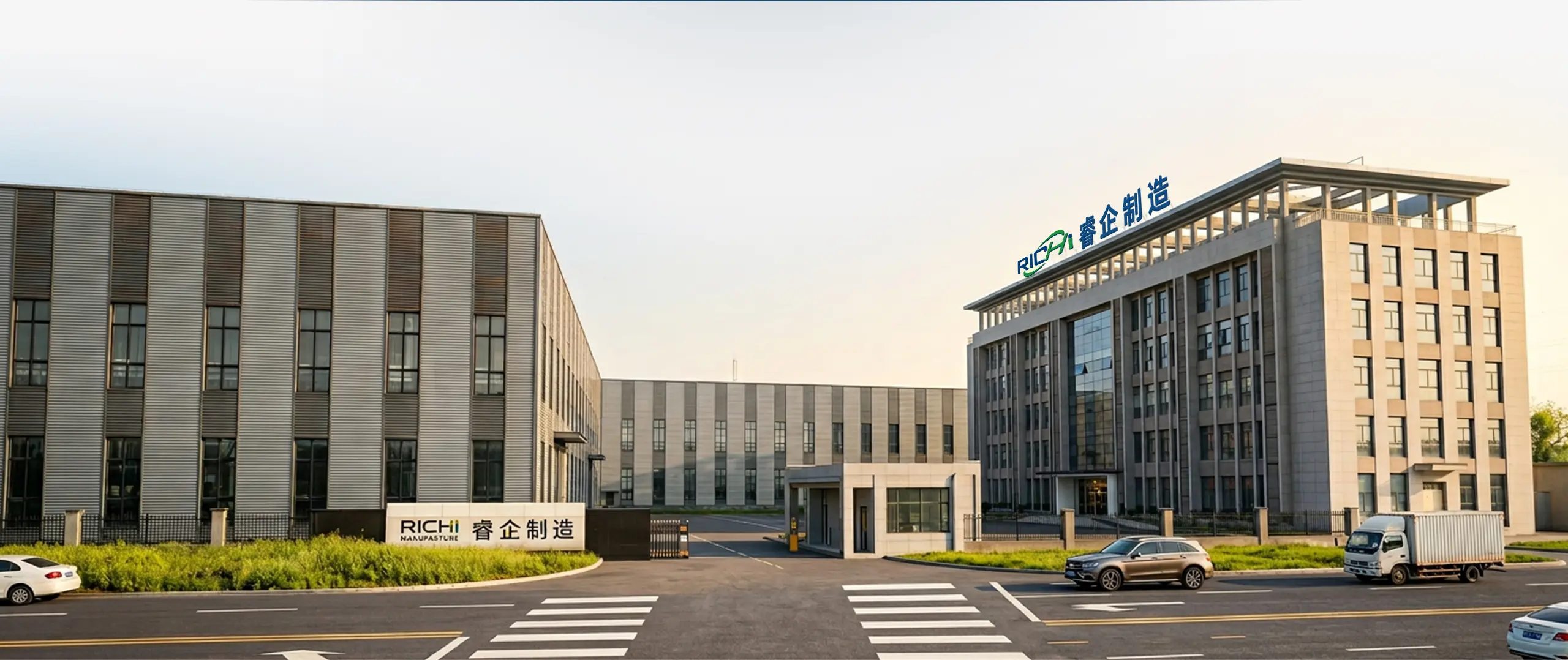
Henan RICHI Machinery Co., Ltd., established in 1995, primarily focuses on the research and development and manufacturing of feed machinery, biomass pelleting equipment, organic fertilizer pelleting equipment, and complete pelleting production lines. After more than 30 years of development, RICHI has become a professional pelleting machinery manufacturer. Our products are exported to over 140 countries and regions worldwide, earning the trust of customers both domestically and internationally.
Qualification Advantages
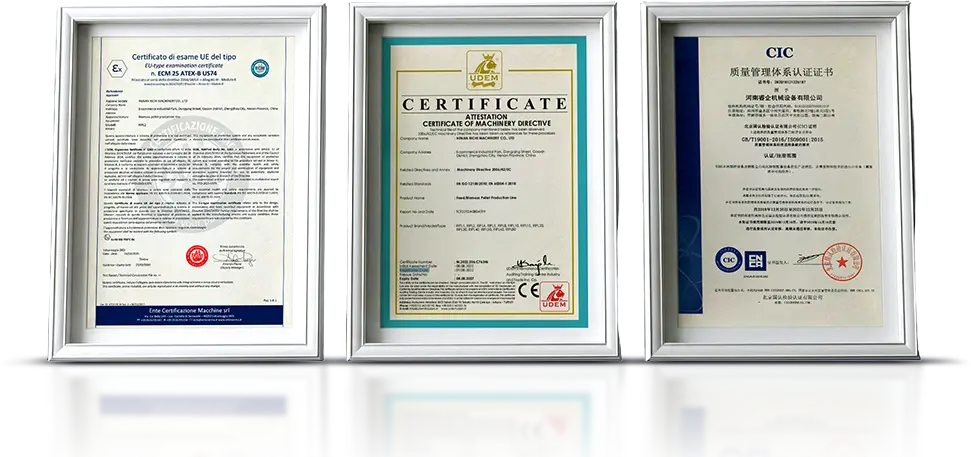
RICHI machinery boasts numerous international authoritative certifications and patents, including ISO9001, CE, SGS, and TÜV. This means that the equipment you purchase can smoothly pass through customs and quality standards in various countries, with no customs clearance risks and compliant delivery. Choosing RICHI means choosing a guarantee of smooth global access and worry-free production.